REVIEW · DOMINICAN REPUBLIC
Cacao Plantation and Chocolate Factory Tour- Classic
Book on Viator →Operated by Cacao Chocolate Tours · Bookable on Viator
Chocolate starts in the dirt here. You’ll learn the full chain from organic cacao plantation to making your own chocolate at the factory, with a guide who walks you through each processing step and a tasting led by a chocolate expert. The one thing to plan around is transportation language: if your driver doesn’t speak English, you may not get much commentary during the ride.
What makes this tour hit is how practical it feels. You’re not just watching a slideshow—you’re seeing cacao pods, fermentation and drying, and then the factory steps that turn beans into a bar. I also like that the day ends with a proper meal: a Dominican buffet lunch plus a cup of local hot chocolate, so you’re not stuck thinking about chocolate while hungry.
One more note before you go: the dress code is smart. Think neat outfit and closed-toe shoes that look more like restaurant dinner than sneakers and gymwear.
In This Review
- Key highlights you’ll actually care about
- Cacao at El Sendero del Cacao: from sowing to fermentation
- Entering the La Esmeralda Chocolate Factory: how a bar gets made
- Chocolate tasting with a Dominican expert: train your senses, not your patience
- Lunch buffet and hot chocolate: the smart payoff at the end
- Price and timing: what $60 buys you in real value
- Meeting point, transportation, and the 10:30 start
- Dress code and small practical tips that keep the day smooth
- Who should book this cacao and chocolate factory tour?
- Should you book? My practical call
- FAQ
- How long is the Cacao Plantation and Chocolate Factory Tour Classic?
- What time does the tour start, and where do I meet?
- Is transportation included?
- Is a vegetarian option available?
- What dress code should I follow?
- What is the cancellation policy?
Key highlights you’ll actually care about
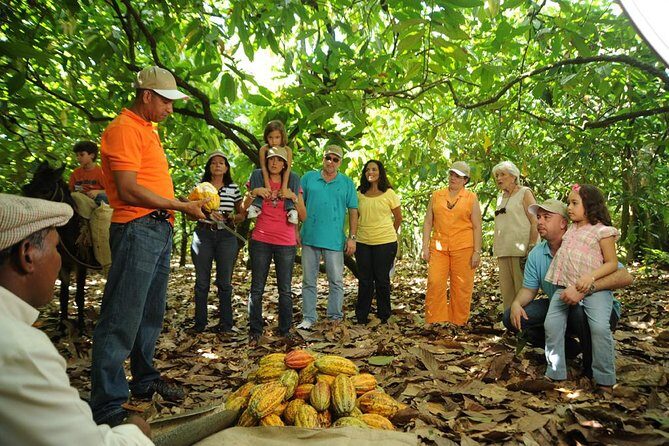
- Organic cacao plantation walkthrough that explains sowing, harvesting, fermentation, and drying
- Hands-on chocolate making so you leave with something you produced yourself
- Expert-led tasting focused on using all your senses, not just eating chocolate mindlessly
- Factory visit at La Esmeralda with the steps needed to create a chocolate bar
- Buffet lunch plus hot chocolate included, so the experience feels like a full outing
Cacao at El Sendero del Cacao: from sowing to fermentation
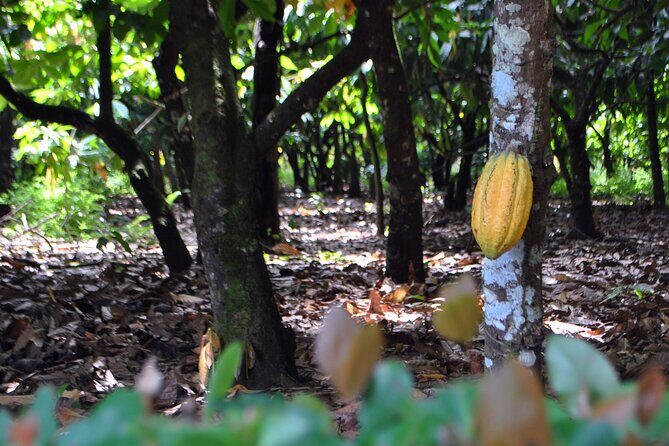
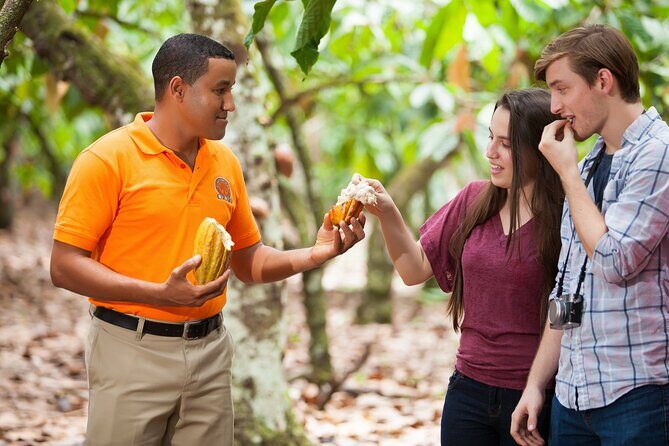
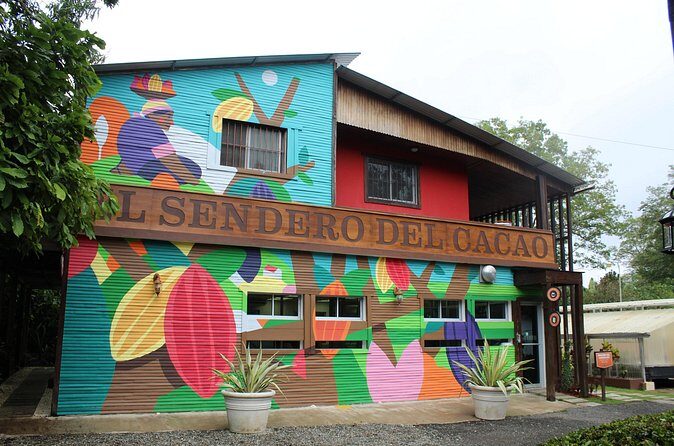
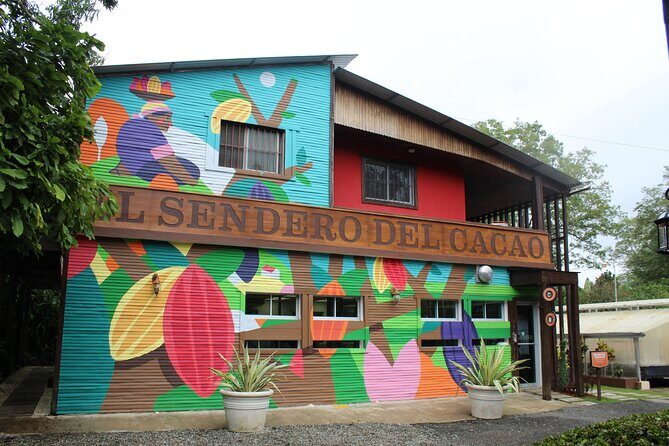
The day starts at El Sendero del Cacao near Las Pajas in San Francisco de Macorís. You’re there to understand cacao as a crop, not a product. A local cacao expert leads you through the logic of how cocoa turns into chocolate.
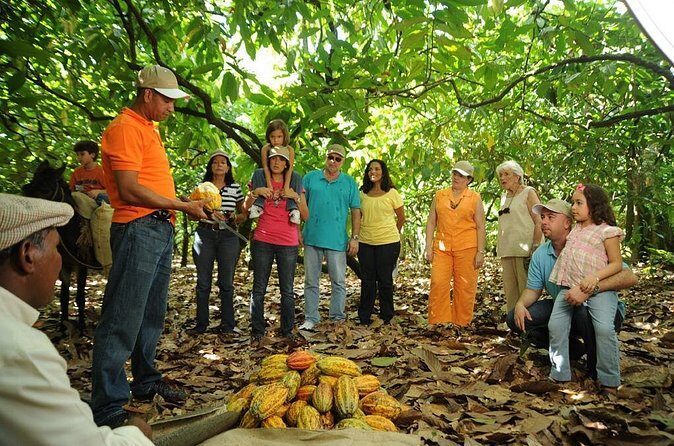
First you’ll get the sowing process. You’ll learn how cacao plants start their life and what those early stages are meant to accomplish. Then you move into harvesting: you’ll see how pods get cut and how grains are extracted from inside the cacao fruit. That part matters, because chocolate quality is shaped before anything ever reaches a factory.
Next comes the post-harvest work, where the real magic happens. You’ll hear about fermentation and drying—two steps that heavily influence flavor and how the final chocolate tastes. Even if you don’t remember every detail, you’ll come away with the cause-and-effect feeling: good cacao care up front leads to better beans, which leads to better chocolate later.
The guide also talks about the ecosystem of the Dominican Republic and why the island’s conditions can support fine cacao. The framing is helpful: it’s not just that the Dominican Republic grows cacao, it’s that the local environment is explained as part of the chain. You’re left thinking about weather, soil, and farming practices as ingredients.
If you’re hoping for a lot of wandering in the sun, the plantation portion is where your time goes. The tour says you should have moderate physical fitness, so plan to walk around and stand during explanations.
You can also read our reviews of more tours and experiences in Dominican Republic

Entering the La Esmeralda Chocolate Factory: how a bar gets made
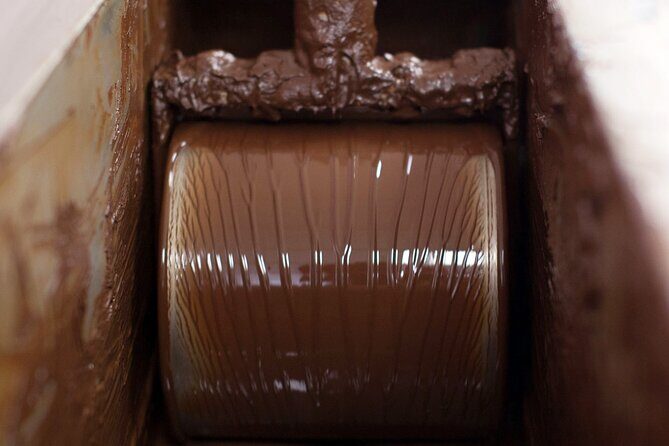
After the cacao fields, you’ll switch gears at La Esmerelda Chocolate Factory. This is where the tour turns from farming to processing. You’ll see the steps required to create a high-quality chocolate bar and you’ll connect them to what you learned outside.
What I like about this part is the pacing. You’re shown the workflow so it makes sense in your head: beans are processed, transformed, and shaped into the finished bar you recognize. You’re not left guessing.
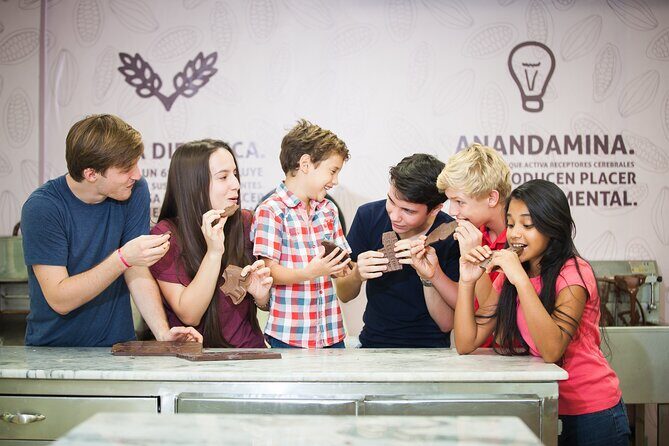
Then you get to make your own chocolate. That’s a big part of the value here, because you’re doing more than tasting. You’re learning through action—handling ingredients, following steps, and seeing what changes when chocolate is treated differently. It’s also a good way to keep kids and adults engaged, since everyone has a role in creating something.
A practical note: factory time tends to be focused and a bit structured, so keep an eye on your guide and listen closely during the instructions. It’ll save you from common mistakes like rushing steps that matter for texture and final results.
Chocolate tasting with a Dominican expert: train your senses, not your patience
Between the plantation and the factory, the experience includes a tasting guided by a chocolate expert. The teaching style is meant to help you notice chocolate with all your senses—not just the sugar hit.
You’ll likely be prompted to look, smell, and taste with intention. This is the difference between tasting chocolate like a snack and tasting it like a product made from real processing choices. Once you connect the tasting to fermentation and drying, flavors start making more sense. You can taste the story your guide told earlier.
This part also helps you if you’ve never had much chocolate education before. You don’t need a background in cocoa chemistry. The expert’s job is to give you a method for noticing what’s happening in the bar.
And yes, chocolate tastes better when you understand why it tastes that way. I’ve found that guided tastings also make you more confident ordering chocolate later, because you know what to pay attention to.
Lunch buffet and hot chocolate: the smart payoff at the end
You don’t just get chocolate during the tour—you also get the classic Dominican finish: a buffet lunch and a cup of hot chocolate. It’s included, and that matters because chocolate-heavy tours can run long.
This meal is a good reset after hands-on work. You’re likely to have some time where you can sit down, talk with your guide, and ask questions you didn’t think of earlier—like what to look for when buying Dominican chocolate back home.
One small thing to plan for: because lunch is included, you don’t have to hunt for food on your own during the tour window. That keeps the experience smooth, especially if you’re doing this as a half-day outing.
Price and timing: what $60 buys you in real value
The price is $60 per person, and the tour runs about 2.5 hours on average, with scheduling sometimes described as around three hours depending on how the day flows. Either way, you’re buying a full program: plantation learning, factory viewing, chocolate making, tasting, and lunch.
For me, the best value points are:
- You get both sides of the story: farm processing and factory production.
- You make chocolate, not just watch it.
- You eat too, with a buffet lunch and hot chocolate included.
If your goal is only a quick tasting, there are cheaper options in many places. But if your goal is understanding and hands-on learning, this one feels built for that. It’s also rated very highly, suggesting the day lands well for most people who want a structured cocoa experience.
Group size matters. The tour lists a maximum of 300 travelers. That number is high, so you may want to pay attention to how your specific group is arranged and how much space you have to move during key moments like the factory and the tasting. The good news: the tour structure is guided, so you should still get instruction even if the crowd is bigger.




Meeting point, transportation, and the 10:30 start
You start at El Sendero del Cacao in Las Pajas, San Francisco de Macorís, and the activity ends back at the meeting point. Start time is 10:30 am, so plan to be ready early enough to check in and get settled.
Transportation is included only if you choose it. If you opt for transportation, here’s the key caution: one common problem people run into is that the driver may not speak English well. That doesn’t affect the cacao expert or factory guide (they’re the ones doing the teaching), but it can limit what you can ask about stops, surroundings, or timing during the drive.
If you want to reduce stress, do this:
- Bring a few simple questions in mind for the main guide, so you’re not relying on the driver for explanations.
- Give yourself a bit of buffer for the ride, especially if your schedule is tight that day.
Also, keep in mind that one report mentioned an unscheduled stop on the return trip. That’s not guaranteed, but it’s a reminder that road time isn’t always perfectly clockwork.
Dress code and small practical tips that keep the day smooth
The tour asks for a smart dress code—specifically no jeans, sportswear, joggers, or sneakers. It’s not about looking fancy for photos. It’s about fitting the vibe of a guided day that includes plantation grounds and a working factory setting.
What I suggest:
- Wear something breathable but not sporty looking.
- Choose footwear that’s closed-toe and comfortable enough for walking.
- If you’re bringing children, make sure the adults accompanying them are ready to help manage pace and attention.
You should also expect a multilingual guide option. That can be great if you’re flexible about how instruction is delivered, but it’s always worth confirming what language you’ll hear when booking.
Vegetarian options are available—just advise in advance if you want it. The safest approach is to flag dietary needs during booking so the buffet is handled without last-minute awkwardness.
Who should book this cacao and chocolate factory tour?
This is a great pick if you want:
- A hands-on cocoa education: sowing, harvesting, fermentation, drying, then bar-making.
- A factory visit that connects directly to what happens on the plantation.
- A guided chocolate tasting that teaches you how to notice differences.
- A full, built-in meal with hot chocolate included.
It may be less ideal if:
- You hate structured group tours and want total freedom.
- You’re extremely sensitive to schedule changes from transportation timing.
- You’re expecting a casual, low-effort outing. The smart dress code and guided pacing mean you’ll want to treat it like an activity, not a walk-through.
It’s also child-friendly in the sense that kids can get involved in making chocolate, but children must be accompanied by an adult, as required.
Should you book? My practical call
I’d book this tour if you care about how chocolate actually becomes chocolate—especially if you like learning through making and tasting, not only listening. The combination of plantation learning, La Esmerelda factory steps, and the chance to make your own bar is what justifies the $60 price.
Skip it only if you mainly want a quick snack tasting with zero instruction. Otherwise, you’ll leave with a clear story you can repeat—about pods, fermentation, drying, and why the final bar tastes the way it does.
If you do book, come prepared: wear smart clothes, show up for the 10:30 am start, and plan to ask your best questions to the cacao and chocolate experts (not the driver). That way, even if the ride commentary is limited, the experience itself stays rich and focused where it counts.
FAQ
How long is the Cacao Plantation and Chocolate Factory Tour Classic?
It lasts about 2 hours 30 minutes on average, and it’s also described as taking around 3.5 hours including the full program.
What time does the tour start, and where do I meet?
The tour starts at 10:30 am. You meet at El Sendero del Cacao, Las Pajas, San Francisco de Macorís 31000, Dominican Republic, and the tour ends back at the meeting point.
Is transportation included?
Transportation is included only if you choose it. If you don’t choose it, you’ll still start and end at the meeting point.
Is a vegetarian option available?
Yes. A vegetarian option is available if you advise at the time of booking.
What dress code should I follow?
The dress code is smart—no jeans, sportswear, joggers, or sneakers.
What is the cancellation policy?
Free cancellation is available up to 24 hours in advance for a full refund. If you cancel less than 24 hours before the experience starts, the amount you paid is not refunded.