REVIEW · DOMINICAN REPUBLIC
Discover Scuba Diving – DSD
Book on Viator →Operated by SeaKlub · Bookable on Viator
First time underwater should feel like learning, not guessing. This Discover Scuba (DSD) intro course in Punta Cana is interesting because it layers classroom skills with hands-on practice, then adds a guided underwater session to a 12-meter maximum. I like that you get real coaching in a pool (including what to do if your mask or regulator acts up), and I also like the small group size for first-timers. One thing to consider: it runs only if conditions are good, since you’ll need weather for the boat portion.
You start at Vista Sol Punta Cana Beach Resort & Spa in Punta Cana, and the whole experience takes about 4 hours. In the skills practice, the instructor Javier focuses on practical tasks like clearing the regulator, clearing the mask, and getting comfortable with the weight belt. If you’re hoping for an all-day adventure, this is a focused taste of scuba—excellent for beginners, but not a long multi-site underwater trip.
In This Review
- Quick highlights you’ll actually care about
- DSD in Punta Cana: what you’re really paying for at $99
- From Vista Sol meeting point to the first lessons
- Theory that leads to real skills (not just facts)
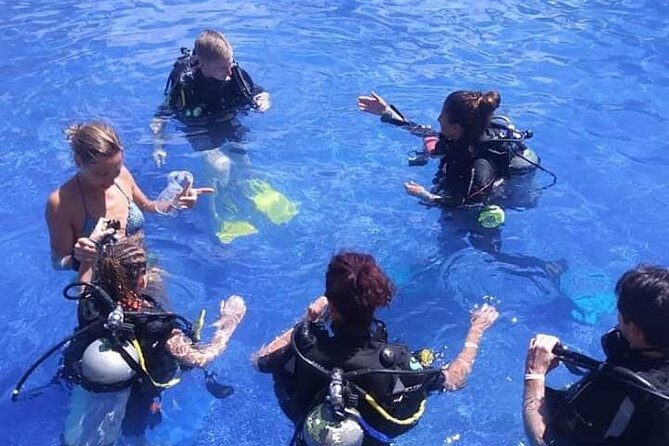
- Pool session training: clearing mask, regulator, and finding control
- The boat session and your first guided underwater outing to 12m
- What you’ll see: shipwrecks, reefs, and underwater life
- Skills + comfort: how to make your first session feel easier
- Who this is for (and who should consider alternatives)
- SeaKlub and the coaching style you’re counting on
- Should you book this DSD intro course?
- FAQ
- How long is the Discover Scuba Diving (DSD) experience?
- What is the maximum depth for the underwater session?
- What does the experience include?
- How many people are in the group?
- Where does the experience start and end?
- What is the price?
- What happens if weather is poor?
Quick highlights you’ll actually care about
- Theory + pool practice before you go underwater, so you’re not learning by trial and panic
- Max depth 12 meters, which is a clear ceiling for this beginner format
- Small group (up to 8), meaning more feedback when you need it
- Guided underwater time from a boat, with shipwrecks, reefs, and marine life on the agenda
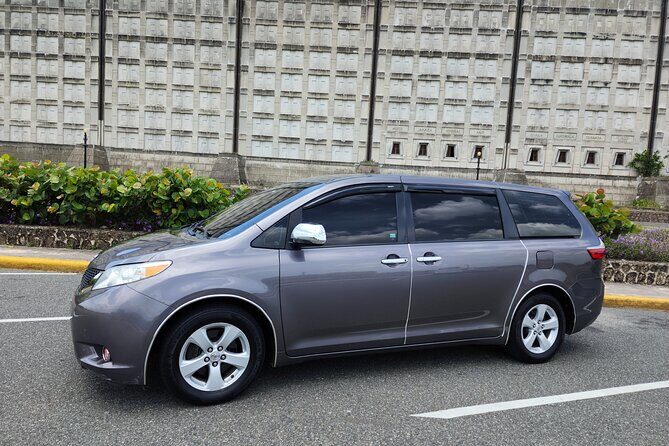
- Pickup and drop-off tied to the meeting point at Vista Sol Punta Cana
DSD in Punta Cana: what you’re really paying for at $99
At $99 per person, the big value isn’t just the underwater part. It’s that you’re buying the structure: a short theory session, a pool session to practice key skills, and then one guided underwater outing with a maximum depth of 12 meters. Many beginner experiences shortcut the training. Here, you’re given the basics first, so you can spend your mental energy on breathing, buoyancy control, and staying calm.
The price also makes sense when you think about the full package. You’re not just paying for equipment access. You’re paying for instruction, guided supervision, and the safety-focused skill drills that help first-timers feel more in control. That’s especially important if this is your first time with scuba gear.
The format is also time-efficient. With an about 4-hour duration, you can fit it into a day of beach time or sightseeing without surrendering your whole vacation. If your schedule is tight, that matters.
You can also read our reviews of more scuba diving tours in Dominican Republic
From Vista Sol meeting point to the first lessons
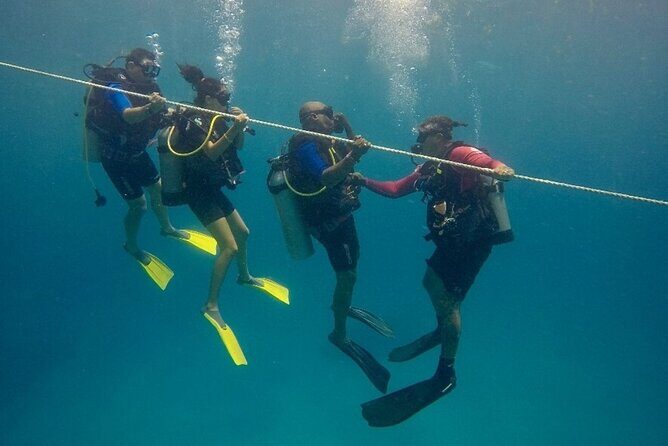
The experience starts and ends back at Vista Sol Punta Cana Beach Resort & Spa (Ave. Alemania, Punta Cana 23301, Dominican Republic). In real life, that kind of start point is a comfort: you’re not scrambling for a random dock address. It’s the same place you return to, which cuts down on the “where do we meet now” stress.
Most people can participate, and the overall setup is geared toward beginners. That matters, because the pace is designed to teach you how scuba works, not to test you. You’ll get clear guidance on what to do and what to expect when you’re underwater.
What I like about this stage is that it’s not all theory and no action. You don’t just listen. You’ll apply what you learn right after, in the pool. That sequence helps your brain make connections fast—especially when you’re dealing with gear you’ve never worn before.
Theory that leads to real skills (not just facts)
You’ll begin with introductory theory before heading into practice. Even if you have zero scuba background, the goal is simple: understand what’s happening with the equipment and how to respond if things get uncomfortable.
This is where the instructor approach matters. In the pool session, Javier was highlighted for teaching theory and then immediately turning it into practical application. That teaching style is what you want on a first-time course. It keeps the learning grounded. You’re not memorizing scuba vocabulary. You’re learning actions you can actually perform.
In your first underwater session, the difference between panic and confidence is often a handful of learned responses. That’s why theory here is tied to what you’ll physically do later—especially around mask and regulator situations.
Pool session training: clearing mask, regulator, and finding control
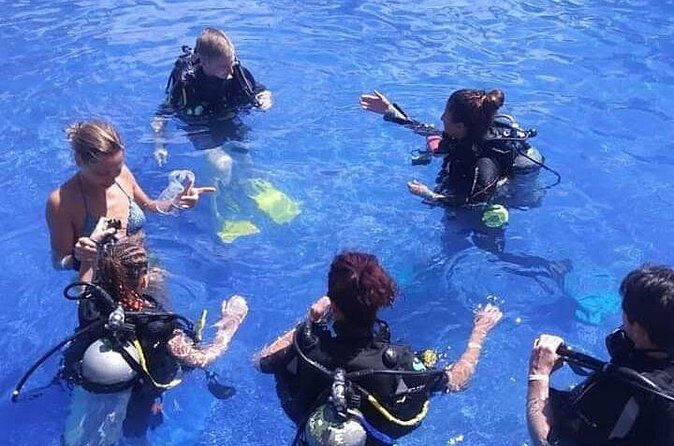
The pool session is one of the most valuable parts of the whole DSD experience, because it’s your low-risk practice zone. You can make mistakes without consequences that feel scary. You can also repeat key actions until they become automatic.
From the review details, the coaching includes drills such as:
- clearing the regulator
- clearing the mask
- practicing how to manage the weight belt
These sound simple, but for first-timers they’re huge. If you’ve never used scuba gear, you don’t realize how quickly you can lose confidence if a small issue happens underwater. Practice in the pool gives you a mental script: if X happens, do Y. Once you’ve done it on land-or-water conditions, you can focus on enjoying the experience rather than fighting the unknown.
The weight belt part deserves extra attention. If the belt isn’t set comfortably, you can spend the underwater session fighting your buoyancy instead of exploring. Even without exact fitting instructions listed, the inclusion of weight belt training is a strong sign that instructors are thinking about comfort and control, not just checking a box.
The boat session and your first guided underwater outing to 12m
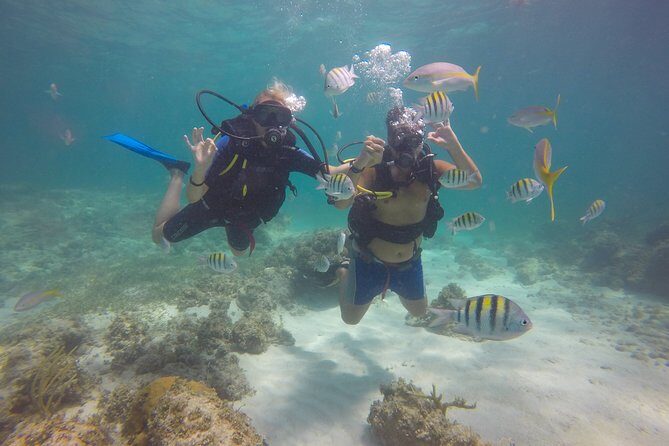
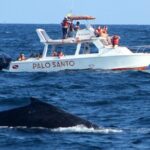
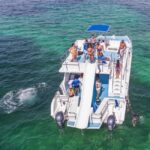
After theory and pool practice, you’ll move to a boat-based session for a guided underwater experience. The maximum depth is 12 meters, which is clearly spelled out as the limit for this beginner format.
Why this matters: it sets expectations. You’re not being pushed toward a deep, intimidating goal. You’re being guided through a first-time experience with a defined ceiling.
Also, a boat outing changes the vibe. You’re not just staying at a shoreline where everything is familiar. You’re moving out to the underwater areas the Dominican Republic is known for—shipwrecks, reefs, and marine life—under professional guidance.
Because the course uses a small group size (up to 8), you can usually expect tighter support than you’d get on a big public excursion. For your first time, that’s a big deal. You want to feel watched enough to stay safe, but not rushed.


What you’ll see: shipwrecks, reefs, and underwater life
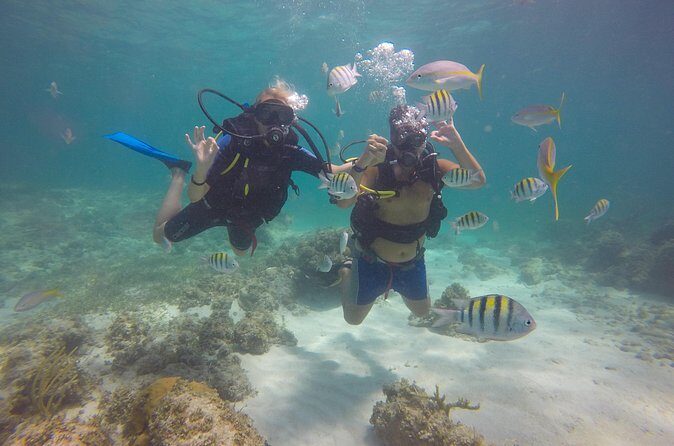
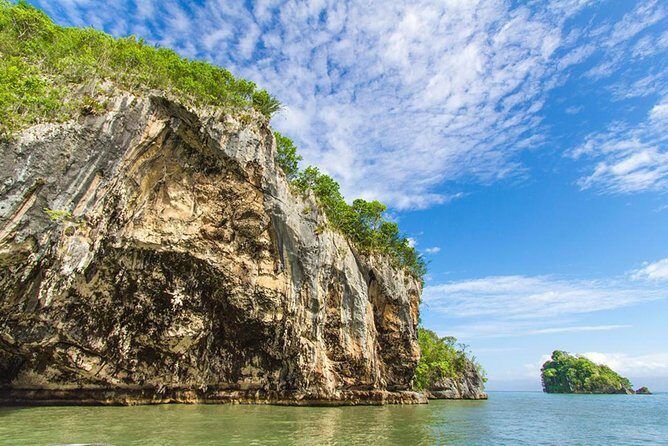
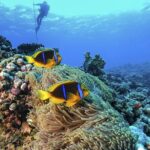
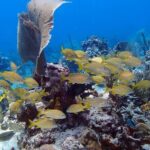
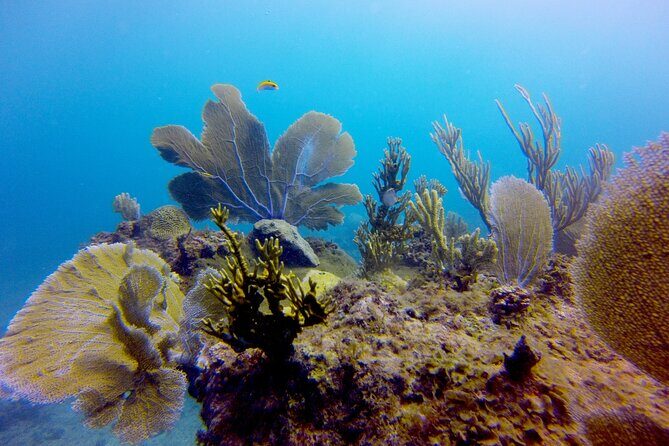
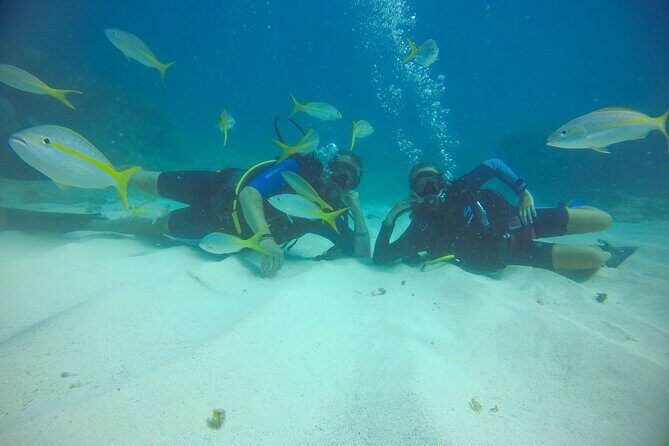
The underwater plan includes shipwrecks, reefs, and incredible underwater life. That combination is a classic reason people sign up for a beginner scuba intro: you get variety without needing advanced experience.
Here’s how to think about it as a first-timer:
- Shipwrecks tend to create a sense of discovery. Expect to see man-made structures and shadows that shape how light hits the water.
- Reefs usually mean more texture—coral-like surfaces and places where small fish and other creatures hang out.
- Underwater life is the payoff. Even if you’re not a marine biology person, the goal is to help you spot movement, colors, and behaviors while staying focused on your breathing and control.
Your best strategy is simple: keep your eyes working in short bursts. Look around, then return attention to your gear and buoyancy. That balance is what makes the experience enjoyable instead of stressful. The course training helps you do exactly that, because you’ve already practiced key troubleshooting in the pool.
Skills + comfort: how to make your first session feel easier
A DSD course is partly about underwater scenery. It’s also about learning how not to waste energy. Your time underwater will go better if you arrive thinking about comfort and readiness.
Based on what’s taught and what first-timers typically struggle with, I’d focus on three practical things:
- Gear confidence starts on day one. Treat the pool drills like the main event, because they are.
- Mask and regulator control reduce stress fast. If you remember the steps from training, you’ll feel more relaxed when you feel pressure changes or water movement.
- Weight belt awareness helps you float and move calmly. Don’t ignore that part just because it sounds technical.
It can help to show up rested. A first-time course is more demanding mentally than it looks. You’re coordinating breathing, hand positioning, buoyancy, and situational awareness. The better your energy, the more you’ll enjoy the actual underwater moments.
Who this is for (and who should consider alternatives)
This DSD experience is best if you want your first scuba skills in a guided, beginner-friendly format. It suits:
- first-timers who want a structured start with theory + pool + guided underwater session
- travelers who prefer a short, efficient outing around 4 hours
- people who like small groups (up to 8 travelers) and direct coaching
- anyone curious about the Dominican Republic underwater scenes like reefs and shipwreck areas
Consider another option if:
- you’re hoping for a very long underwater program with multiple sites
- you’re comfortable pushing beyond beginner limits right away
- you expect the weather to be uncertain on your travel dates (the experience requires good weather for the boat portion)
SeaKlub and the coaching style you’re counting on
The provider is SeaKlub. In a course like this, the “provider” matters because it controls instructor staffing, safety procedures, and how much attention you get when you’re new to scuba.
The review details that stand out are about the instructor’s teaching approach—Javier guiding theory into hands-on practice in the pool, including regulator and mask clearing plus weight belt handling. That’s the kind of instruction that tends to make first-timers feel capable quickly.
Since the group is capped at 8 travelers, you’re not just part of a crowd. That smaller setting generally supports more personal correction. For your first underwater experience, that feedback loop is priceless.
Should you book this DSD intro course?
If you want to try scuba for the first time with a clear structure and professional guidance, I think this is a smart booking. The $99 price becomes reasonable when you focus on the full training flow: theory, pool skill work, and then a guided underwater outing up to 12 meters—all in about 4 hours.
I’d book it if:
- you’re a beginner and want coaching that builds confidence step by step
- you’d rather learn key safety skills in a controlled environment first
- you want to see shipwrecks, reefs, and underwater life without committing to an advanced course
I’d pause before booking if:
- your schedule is tight and weather uncertainty would ruin your day (since good weather is required for the boat part)
- you’re looking for a multi-hour, multi-site underwater safari rather than a starter session
If you do book, treat the pool skills as the heart of the experience. Do the drills with attention, ask questions while you’re still in a relaxed setting, and you’ll get far more enjoyment from the underwater part that comes next.
FAQ
How long is the Discover Scuba Diving (DSD) experience?
It lasts about 4 hours.
What is the maximum depth for the underwater session?
The maximum depth is 12 meters.
What does the experience include?
It includes introductory theory, 1 pool session, and 1 boat-based guided underwater session.
How many people are in the group?
The tour/activity has a maximum of 8 travelers.
Where does the experience start and end?
It starts at Vista Sol Punta Cana Beach Resort & Spa (Ave. Alemania, Punta Cana 23301, Dominican Republic) and ends back at the same meeting point.
What is the price?
The price is $99.00 per person.
What happens if weather is poor?
This experience requires good weather. If it’s canceled due to poor weather, you’ll be offered a different date or a full refund.