REVIEW · PUERTO PLATA
Puerto Plata: Escapada Cultural Tour in Puerto Plata
Book on Viator →Operated by CAMEL SAFARI EXPLORING · Bookable on Viator
Factories and farms in one Puerto Plata day. I love how this private tour ties bread, tobacco, and cacao to daily Dominican life, not just a bus ride with stops. You’ll move at your own pace between working production sites and a short look around Puerto Plata.
For me, the highlight is the hands-on factory storytelling, especially around chocolate and cheese. One heads-up: you may feel some shopping pressure when you’re at the factories, so decide in advance what you’re willing to buy.
In This Review
- Key Things to Know Before You Go
- What You’re Really Buying: Food-to-Farm Culture in Puerto Plata
- The 8-Hour Rhythm: From 9:30 Start to a Quick City Stroll
- Melasa Bread Factory and Artisan House: Where the Day Starts
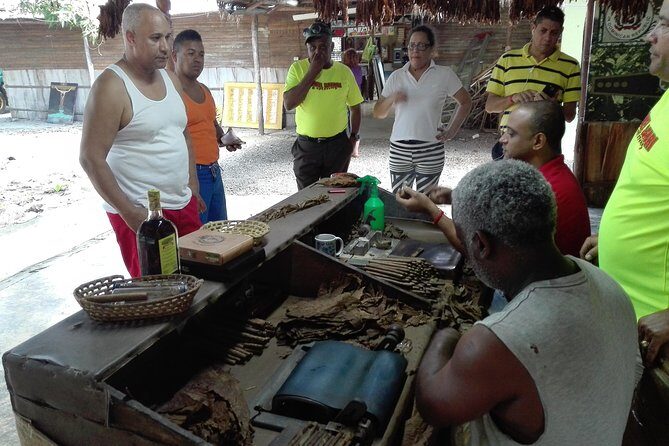
- Tobacco Plantation and Artisanal Cigars: Watching the Leaf Become Craft
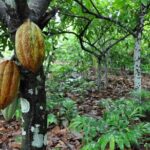
- Organic Cacao Plantation and Chocolate Tasting: From Bean to Bite
- Imbert Cheese Factory and Park Break: The Traditional Family Finish
- Puerto Plata City Stop: San Felipe Fortress Area and Playa Dorada Views
- Lunch, Drinks, and the Private Pace That Matters
- Staying in Control at Factories: Buying Without Getting Rolled
- Price and Value for $78: What’s Covered
- Should You Book This Tour in Puerto Plata?
- FAQ
- How long is the Puerto Plata cultural tour?
- What time does the tour start?
- Is this tour private?
- What’s included in the $78 price?
- Does the tour include lunch and drinks?
- Is pickup included, and are there any extra pickup costs?
- What places do you visit during the day?
- Can children join?
- What’s the cancellation policy?
Key Things to Know Before You Go
- Private group pacing: it’s only your group, and you can go at your own pace.
- Food and craft chain, start to finish: bread, tobacco cigars, cacao chocolate, and cheese.
- Imbert community stop: you’ll visit a traditional family cheese factory plus a park there.
- A short Puerto Plata break: a brief look around the old city area and coastal highlights.
- Lunch and beverages included: you’re not expected to snack your way through 8 hours.
- Mobile ticket and pickup: you’ll start around 9:30 am with pickup options.
What You’re Really Buying: Food-to-Farm Culture in Puerto Plata
This isn’t a museum tour. It’s a “how this stuff gets made” day across the Puerto Plata region. The value is in the sequence: you see production processes, then you understand why these products matter locally—bread, leaf tobacco, cacao, and dairy all show up in everyday Dominican culture in different ways.
I like that the tour is built around small, working-scale stops, so you’re not just hearing generic facts. You’re walking through a bread-making process, watching tobacco cultivation and cigar manufacturing, learning the chocolate pathway from cacao to tasting, and ending with cheese from a traditional family operation in Imbert.
If you enjoy food, crafts, and plain explanations from a guide, this kind of itinerary clicks fast. If you want a pure sightseeing day with long beach time, you’ll probably feel like the schedule is focused on factories (which is the whole point here).
You can also read our reviews of more historical tours in Puerto Plata
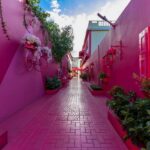
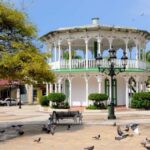
The 8-Hour Rhythm: From 9:30 Start to a Quick City Stroll
Plan for about 8 hours total, starting at 9:30 am. Pickup is offered, and the whole day is arranged around a mix of countryside visits and one short city stop.
The day is split in a practical way:
- A big stretch in Puerto Plata Province (the hands-on production sites)
- Then a shorter stop in Puerto Plata city, around 30 minutes
That 30-minute city time is enough for orientation—think quick context and key sights—without dragging you into a full half-day of wandering. The private format also helps. If you want extra questions at a factory, you can usually take them, rather than getting rushed like you might on a larger group schedule.
Melasa Bread Factory and Artisan House: Where the Day Starts
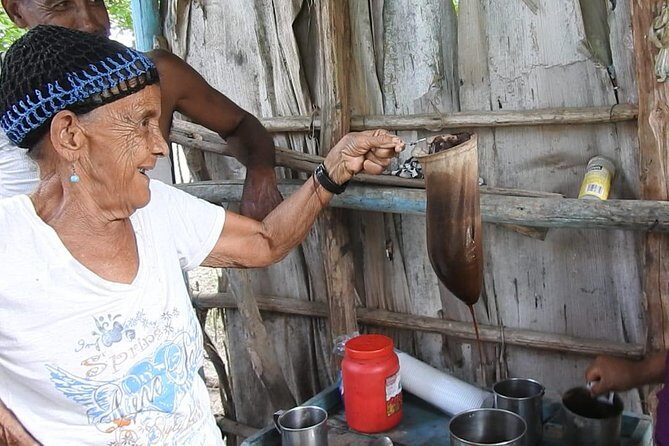
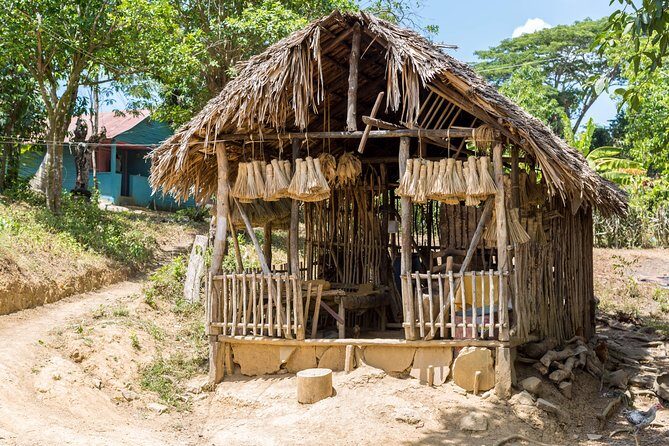
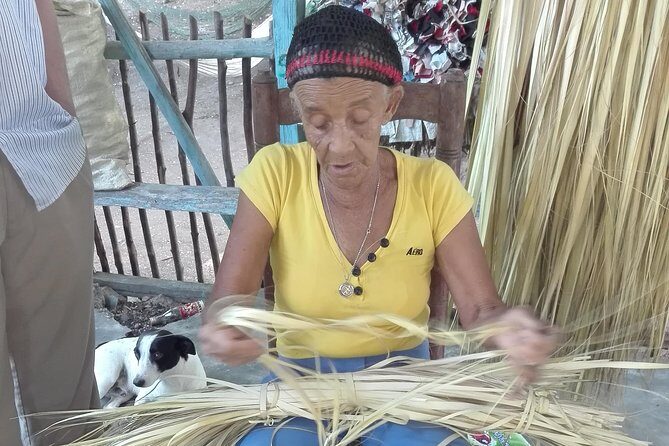
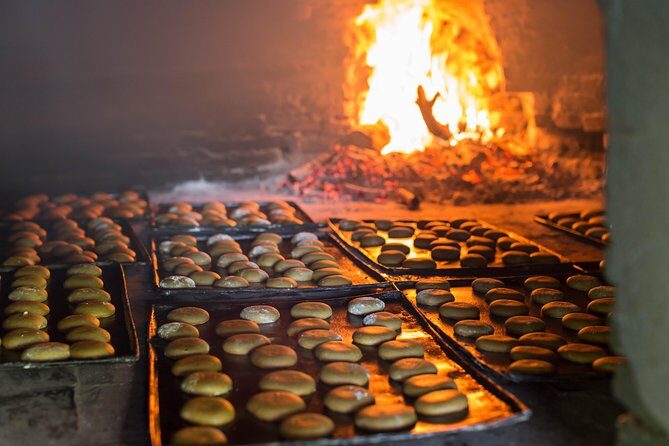
Your first stop focuses on Dominican food and everyday skills, starting with an older-style melasa bread factory experience in the Puerto Plata Province area. You’re not just seeing a product on a shelf. You’re learning how bread connects to local routines and to the wider culture of making things by hand and by tradition.
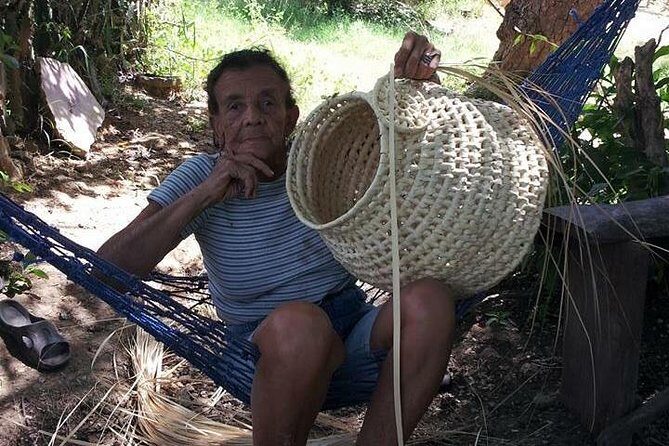
Right after that, the itinerary shifts to a typical artisan house, where you visit craftspeople and learn their way of life. This is one of those moments where you’ll get more out of it if you ask simple, direct questions about daily work—what the tools are, how long certain steps take, and how families fit these crafts into their schedules.
A drawback to know: bread and artisan stops can feel “quiet” if you’re expecting nonstop action. But if you like watching processes and hearing practical stories, it’s a great warm-up for the rest of the day.
Tobacco Plantation and Artisanal Cigars: Watching the Leaf Become Craft
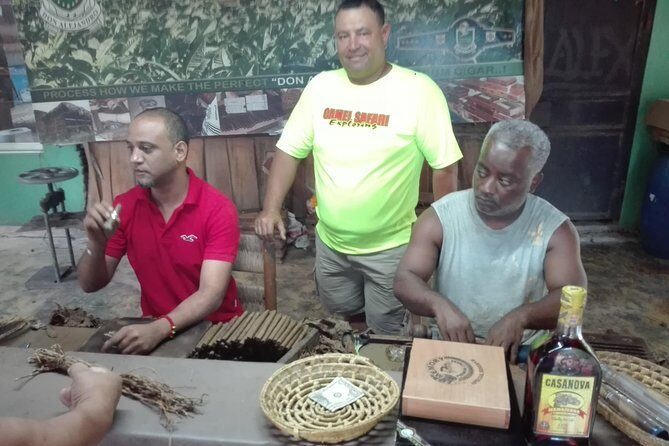
Next comes the tobacco portion—a tobacco plantation visit plus time to understand the artisanal cigar manufacturing process. You’ll also get panoramic views along the way, which helps break up the factory focus and gives you a sense of where the work is happening.
What makes this stop valuable is the connection between the field and the finished craft. Tobacco is one of those crops people talk about, but it’s easy to forget it starts with growing and drying, not just rolling cigars. This stop gives you the chain in plain language: from plantation life to how cigars are made.
Consideration: if you strongly dislike any mention of smoking products, you might find the topic a little awkward. You can still enjoy it as a craft and agriculture lesson, but it helps to know the cigar side is part of the plan.
Organic Cacao Plantation and Chocolate Tasting: From Bean to Bite
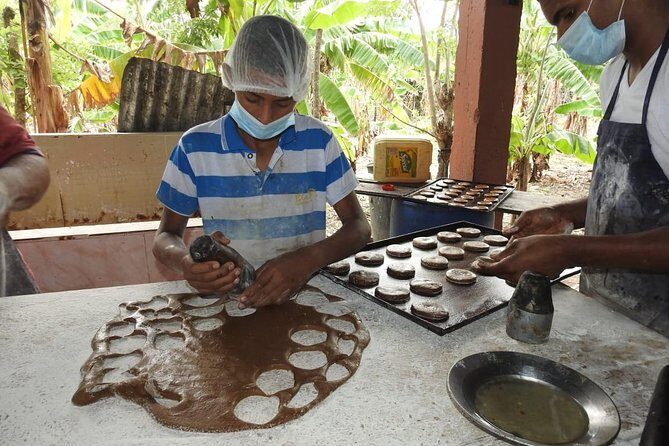
After tobacco, the tour turns to cacao with an organic cacao plantation stop. Here you learn the procedure of chocolate—what happens after cacao grows, how it’s processed, and how it becomes what you recognize as chocolate.
The best payoff is the taste of chocolate. Even if you’re not a big sweets person, the tasting helps everything click. You can connect the flavor you’re experiencing to the steps you just heard about.
A practical tip: bring your expectations down to earth. Chocolate tasting on a farm/factory stop is more about learning and small samples than about gourmet flight-level variety. Still, it’s one of the most memorable parts of the day because it’s immediate and sensory.


Imbert Cheese Factory and Park Break: The Traditional Family Finish
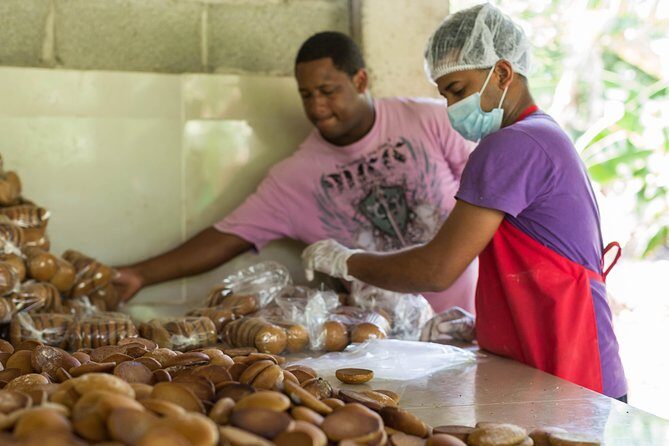
The last big production stop is a cheese factory tied to a traditional family in the Imbert community. This is where the tour’s food theme pays off again, but from a different angle than bread and cacao.
You also visit a park in the Imbert area. That’s a nice reset after a long stretch of production stops. Even a short break from walking around factories helps you reset your energy and enjoy the rest of the day with less fatigue.
What I like about the cheese stop is that it rounds out the “Dominican products” story. You get plant-based items (cacao, tobacco) and then dairy. It feels like a real snapshot of local food culture, not just one specialty.
Puerto Plata City Stop: San Felipe Fortress Area and Playa Dorada Views
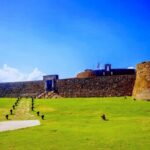
Then you switch from countryside to city with a brief stop in Puerto Plata, including a look at the old colonial area centered around the San Felipe de Puerto Plata fortress (16th century). This fort is the dominant historical landmark in the city area and currently houses historical and military artifacts.
The stop also touches the idea of the coast—Playa Dorada is mentioned as a major beach resort stretch protected by tourism centers and a golf course. The time is short, so this part works best as quick context rather than a deep dive into history.
If you want longer city time, you’ll need another plan. But as an add-on after countryside production stops, it’s a good way to end with a sense of where everything connects to the tourism coastline.
Lunch, Drinks, and the Private Pace That Matters
You’ll get a lunch buffet plus beverages during the day. For an itinerary that runs on factory visits and walking, this matters more than it sounds. You’re not stuck hunting for food in the middle of rural stops.
The tour also emphasizes going at your own pace. In practice, that means you’re less likely to feel like you’re being marched through each site at one speed. Still, the day is scheduled, so you can’t expect endless detours—but you can usually slow down for questions and explanations.
One more practical point: wear shoes you don’t mind getting a little dusty. Factory areas and plantation routes can be uneven, and the day includes multiple stops.
Staying in Control at Factories: Buying Without Getting Rolled
One of the most repeated themes around factory tours is that they can come with a sales angle. In this case, the experience is built around visiting producers, so you should expect opportunities to buy items (souvenir photos and products are also part of the world around these stops).
Here’s the smartest approach: decide your budget before you arrive, and treat purchases as optional. If you’re only interested in learning, you can enjoy the tasting and process explanations without needing to make a big purchase.
If you do want something, pick one or two items that match what you actually learned about—like cacao-based products after the plantation and tasting, or cheese-related souvenirs after the Imbert factory stop. That way, buying feels tied to the day, not like random shopping.
Price and Value for $78: What’s Covered
At $78 per person, this tour can feel like a bargain if you compare it to the cost of a guided day that includes transportation, a professional guide, and a full buffet lunch with beverages. It also includes all taxes, fees, and handling charges, which removes a lot of the usual “what’s extra?” stress.
You’re also getting a compact mix of several producer visits in one day, plus a short city orientation. That’s the main value: fewer separate tours, less extra planning, and a guide who keeps the story connected across the stops.
Extra cost to note: pickup in Rio San Juan costs US$15, payable to the guide the day of the tour. If you’re not in that pickup zone, your cost stays as listed.
Should You Book This Tour in Puerto Plata?
Book it if you like seeing how everyday Dominican products are made—bread, cigars, chocolate, and cheese—in a single organized day. It’s also a good fit if you want a private format with your own pacing, plus a guided explanation that keeps the stops meaningful.
Skip it (or adjust your expectations) if you’re hoping for long beach time or a city-heavy sightseeing day. The itinerary is factory and countryside focused, with only a brief Puerto Plata city look.
Also choose it with a plan for spending. If you hate shopping pressure, you can still enjoy the tour—but go in ready to say no, or limit yourself to small purchases tied directly to what you learned.
FAQ
How long is the Puerto Plata cultural tour?
It runs for about 8 hours.
What time does the tour start?
The start time is 9:30 am.
Is this tour private?
Yes. It’s a private tour/activity, and only your group participates.
What’s included in the $78 price?
It includes all taxes, fees, and handling charges, a professional guide, lunch buffet, and beverages.
Does the tour include lunch and drinks?
Yes. You get a buffet lunch and beverages.
Is pickup included, and are there any extra pickup costs?
Pickup is offered. If you need pickup in Rio San Juan, there is an additional US$15, payable to the guide on the day of the tour.
What places do you visit during the day?
You visit places in Puerto Plata Province for bread, artisan crafts, tobacco, cigar manufacturing, cacao, chocolate tasting, and a cheese factory in Imbert, then you have a short stop in Puerto Plata city.
Can children join?
Children must be accompanied by an adult.
What’s the cancellation policy?
You can cancel for a full refund if you cancel up to 24 hours in advance of the experience start time.