REVIEW · DOMINICAN REPUBLIC
Cook Traditional Dominican Cuisine with a Charming Grandmother in Santo Domingo
Book on Viator →Operated by Traveling Spoon · Bookable on Viator
A grandmother’s kitchen is the best classroom. In Santo Domingo, you’ll cook Dominican favorites with Rossy in her own home kitchen, learning step by step while she shares how the dishes fit into daily life.
What I like most is the mix of practical cooking help and the warm human side of it. You’ll also eat what you make—complete with homemade desserts and coffee—so the experience isn’t just demo time. One heads-up: her kitchen is small, and for groups of seven or more the space can feel tight, with guests rotating.
In This Review
- Key Highlights You’ll Actually Care About
- Why Rossy’s Gascue Kitchen Feels Like a Real Santo Domingo Moment
- What You’ll Cook: Sancocho, Plátano Frito, and Seasonal Variations
- The 3-Hour Flow: From First Chop to Sitting Down With Coffee
- 1) Welcome and kitchen set-up
- 2) Hands-on cooking for about 1.5–2 hours
- 3) Meal time: what you cooked, plus dessert and coffee
- What’s Included for $59: The Value Is in the Full Experience
- Small-Kitchen Reality: Comfort Tips for Groups
- Getting There Smoothly: Zona Colonial Access Without the Hassle
- Drinks, Culture, and Why the Stories Matter
- Who Should Book This Santo Domingo Cooking Class
- Should You Book Rossy’s Dominican Cooking Class?
- FAQ
- FAQ
- What dishes will I cook during the class?
- How long is the experience?
- Where does the cooking class take place?
- Is the meal included?
- Are drinks included?
- Are ingredients included in the price?
- Is there a vegetarian option?
- What if I have allergies or dietary restrictions?
- Is this class shared with other groups?
- Can I add transportation?
- Is free cancellation available?
Key Highlights You’ll Actually Care About
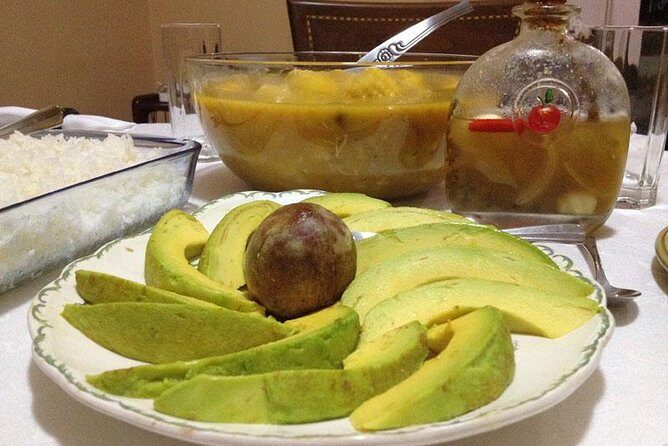
- Small-group, home-kitchen cooking with Rossy and her family
- 2–3 Dominican dishes you cook yourself, often including sancocho and plátano frito
- Family recipes passed down with cultural stories and real kitchen technique
- Ingredients included in the price, so you’re not paying extra for food
- Meal included: you sit down together for what you cooked, plus homemade desserts and coffee
- Drinks included (local beer, rum, or a Cuba Libre)
Why Rossy’s Gascue Kitchen Feels Like a Real Santo Domingo Moment
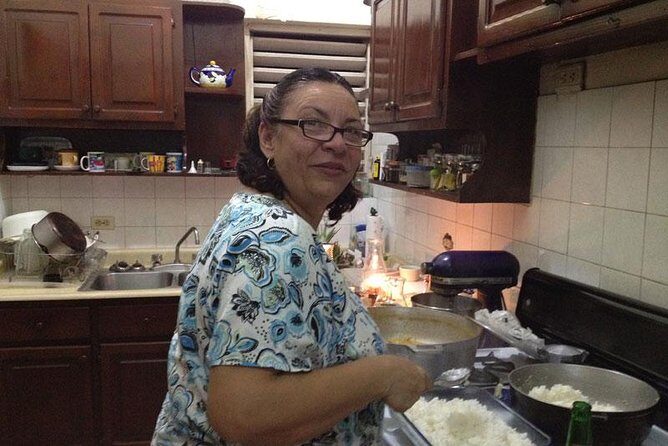
This class is in Santo Domingo, in the Gascue area—about a short ride from the Zona Colonial. You’re not going to a big cooking school with matching aprons and a conveyor belt of tourists. Instead, you’re welcomed into a home kitchen, where the “class” part is really about being taught like a guest who wants to learn.
I love how personal the experience feels right away. Rossy’s role isn’t just instructor; she’s the storyteller and the cook, guiding you through what matters—flavor, timing, and small technique details you won’t pick up from a cookbook alone. And because it’s set up for a private group, you’re not competing with other schedules or trying to get attention between “turns.”
The best value here is that you’re not only tasting Dominican food. You’re making it, then eating it in the same session, with a normal human pace.
You can also read our reviews of more tours and experiences in Dominican Republic.



What You’ll Cook: Sancocho, Plátano Frito, and Seasonal Variations
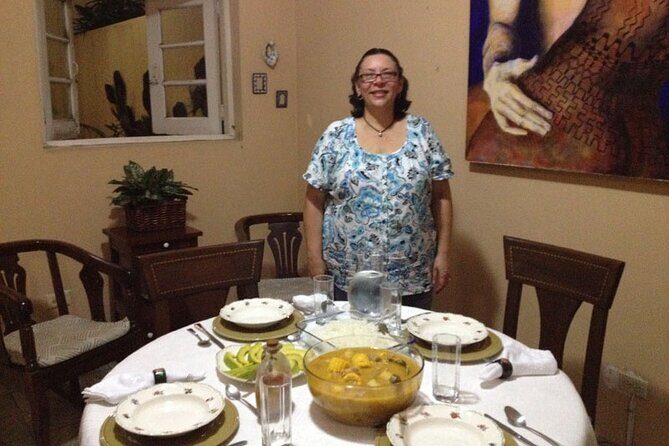
You’ll prepare 2–3 traditional dishes, and two are especially expected: sancocho and plátano frito. Sancocho is a hearty, meat-and-root-vegetable stew that anchors many Dominican meals. Plátano frito is all about simple joy—sliced plantain, fried until it turns sweet-salty and addictive.
The menu can vary by season, and that matters because Dominican home cooking shifts with what’s best and easiest to find. If you’re the type who loves learning how recipes adapt in real households, that flexibility is a plus.
From what you might end up cooking, you could also see Dominican staples like pollo guisado, arroz moro, or baked breadfruit, depending on what’s being taught and available. The point isn’t memorizing a single “tour recipe.” It’s learning the method and the logic behind it—how flavors build, how ingredients are treated, and how Rossy knows when something is ready.
If you’re vegetarian, ask ahead. A vegetarian option is available, and you’ll want to flag dietary restrictions and allergies at booking so the cooking can be adjusted properly.
The 3-Hour Flow: From First Chop to Sitting Down With Coffee
The whole experience runs about 3 hours, and the rhythm is clean: cook first, then eat together.
1) Welcome and kitchen set-up
You’ll start at Rossy’s home in Gascue. The kitchen session begins with Rossy guiding you through what you’re about to make and how to handle your part of the prep. You’ll be close enough to see the process clearly, and that’s the difference between a hands-on class and a “watch and hope” experience.
2) Hands-on cooking for about 1.5–2 hours
After about an hour or two of cooking, you’ll be ready to take a breather and see your work come together. Expect step-by-step guidance—what to prepare, how to season, and what to watch for as ingredients change.
This is the part where technique matters. Fried plantains don’t forgive rushed timing, and stew is all about patience and layered flavor. Rossy’s teaching style is built around helping you succeed, not about testing you.





3) Meal time: what you cooked, plus dessert and coffee
Once the cooking ends, you sit down to enjoy the meal you prepared together. The meal includes homemade desserts and coffee. It’s not a small snack either; it’s the payoff. You’ll taste the dishes in the context of a shared table, with the satisfaction of knowing exactly what you did (and what you learned).
What’s Included for $59: The Value Is in the Full Experience
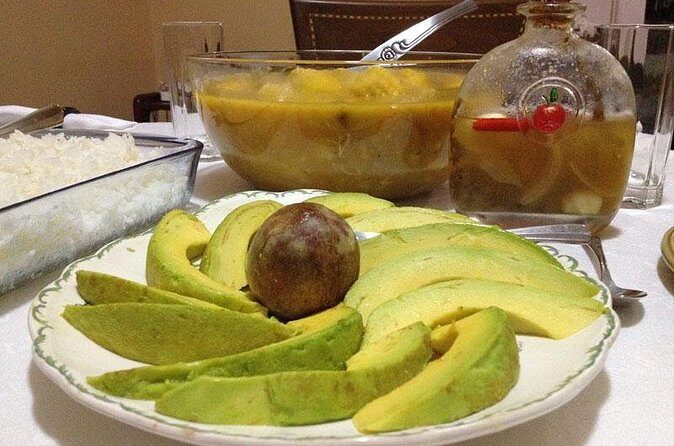
At $59 per person, the big question is whether you’re paying for food, instruction, or both. Here, you’re getting all three—plus the social side.
You’ll get:
- Ingredients included during the class
- A full meal including what you cooked
- Homemade desserts and coffee
- Drinks such as local beer, rum, or a Cuba Libre (depending on what’s offered)
If you’ve ever done a “tasting” tour where you pay for small bites and a short lecture, this feels different. You leave with actual cooking confidence for at least a few Dominican staples, and you’re fed well. For a home-based class, that’s strong value.
Also, the class is booked in advance fairly often (on average about a month out). That’s usually a sign it’s popular for people who want something more real than a restaurant meal.
Small-Kitchen Reality: Comfort Tips for Groups
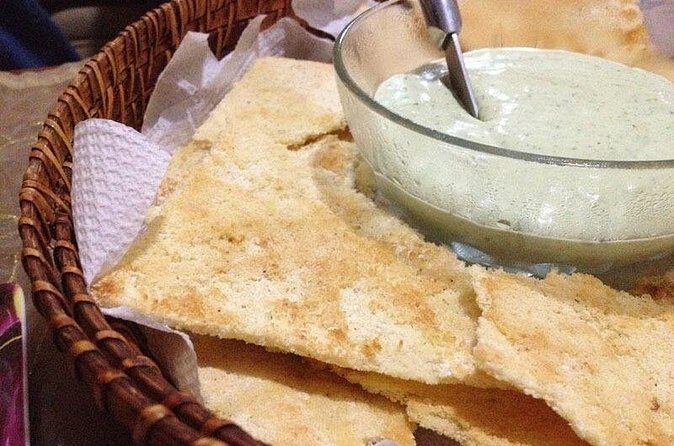
This is a home kitchen, and that’s the point. The trade-off is space.
For groups of seven or more, the kitchen can feel tight. The way to handle it is simple: you’ll work in smaller groups and rotate so everyone still gets to cook rather than just watch.
If you’re coming with friends or family, plan for a close-cook vibe. Wear clothes you’re fine getting a little kitchen close—stirring, standing, maybe leaning in over a pot. Nothing complicated, just accept that home cooking is not staged for comfort perfection.
Also, if you want a smoother experience, tell Rossy about allergies and dietary preferences at booking. That helps the cooking plan stay calm and organized instead of improvised mid-class.
Getting There Smoothly: Zona Colonial Access Without the Hassle
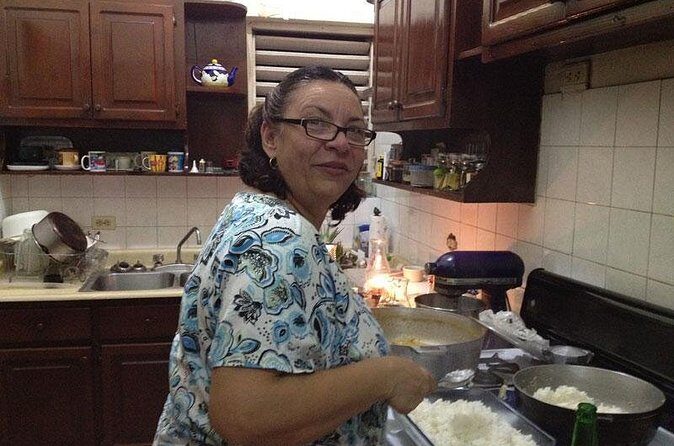
Rossy’s place is about 10 minutes from the Zona Colonial. That matters because you likely want this experience without losing your whole day to logistics.
The area is also near public transportation, so you’re not locked into a taxi. And if you want convenience, there’s an optional transfers add-on where Rossy offers pick-up and drop-off transportation for a seamless experience.
The class ends back at the meeting point, which keeps your timeline tidy.
Drinks, Culture, and Why the Stories Matter
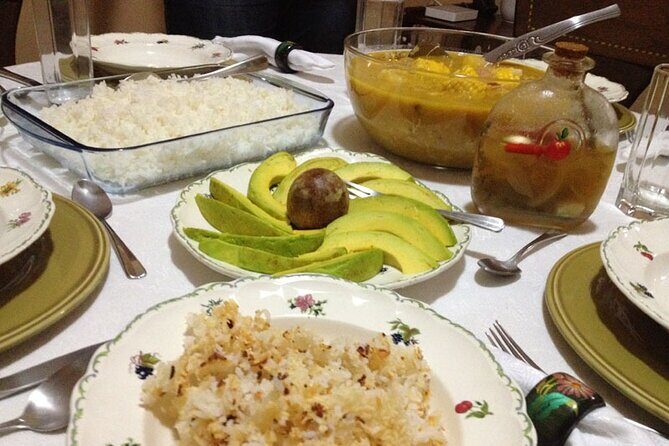
Food tours can accidentally turn into just eating. This one leans into the cultural side—Rossy shares cooking techniques and stories that explain not only what you’re making, but why it shows up on Dominican tables.
That’s why drinks are included too. Having local beer, rum, or a Cuba Libre on the table feels normal here, not like a gimmick. The class becomes more like a family meal with teaching mixed in, rather than a strict workshop.
And because you’re in a home, conversation tends to flow around ingredients, everyday life, and the meaning of the dishes. That’s where you pick up the kind of context you can’t Google.
Who Should Book This Santo Domingo Cooking Class
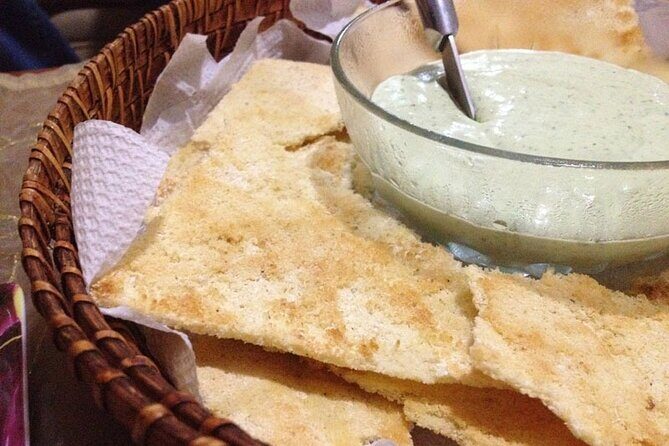
This is a great match if you:
- Want hands-on learning, not just tasting
- Like meeting locals in a real setting
- Enjoy Dominican comfort food and want to cook it yourself
- Travel with friends or family who want a shared activity that ends with dinner
It can also work well for solo travelers, since the class is still organized as a group experience at one table. Just know it’s private to your group, so you won’t feel like you’re in a crowd, even though you’re cooking alongside others in your party.
If you’re very sensitive to close quarters, consider the group-size note. For small parties, the kitchen experience is likely very manageable.
Should You Book Rossy’s Dominican Cooking Class?
Yes—if you want authentic Santo Domingo food in a home setting and you care about learning real technique. For the money, you’re getting a full meal, dessert, coffee, drinks, and ingredients, wrapped into a guided cooking session with a grandmother host. That combination is the sweet spot.
Book it especially if sancocho and fried plantains sound like your kind of comfort food, and you want more than a restaurant version. The only reason to hesitate is if your group is large enough to hit the tight-kitchen situation. If that applies, ask what group rotation looks like for you when you book.
FAQ
FAQ
What dishes will I cook during the class?
You’ll prepare 2–3 traditional Dominican dishes, typically including sancocho and plátano frito.
How long is the experience?
It lasts about 3 hours total, with roughly 1.5–2 hours spent cooking.
Where does the cooking class take place?
It takes place in Rossy’s home kitchen in the Gascue area of Santo Domingo, about 10 minutes from the Zona Colonial.
Is the meal included?
Yes. After cooking, you sit down to eat the meal you prepared, with homemade desserts and coffee included.
Are drinks included?
Yes. The experience includes local beer, rum, or a Cuba Libre cocktail.
Are ingredients included in the price?
Yes. All ingredients used during the class are included.
Is there a vegetarian option?
Yes. A vegetarian option is available, and you should advise at booking if you need it.
What if I have allergies or dietary restrictions?
You should advise the provider at booking so Rossy can accommodate dietary restrictions and allergies.
Is this class shared with other groups?
No. It’s private for your group. Only your group will participate.
Can I add transportation?
Yes. There’s an optional transfers add-on with pick-up and drop-off transportation provided by Rossy.
Is free cancellation available?
Yes. You can cancel for a full refund up to 24 hours in advance of the experience start time.