REVIEW · DOMINICAN REPUBLIC
Private Surf Lesson Punta Cana – 1-on-1 Coaching for All Levels
Book on Viator →Operated by Macao Surf Camp · Bookable on Viator
Warm waves, real coaching, and you on a board. This private surf lesson in Punta Cana takes place at Macao Beach, where instructors run you through basics on land and then put you in the water with the kind of attention that helps you improve faster. Private 1-on-1 coaching and the Macao Beach setup are the big reasons this is worth your time.
I love the hotel pickup and drop-off for an easy day. I also love that your instructor gives hands-on corrections so you’re not guessing what to do once the waves start pushing.
One possible drawback: lunch and souvenir photos aren’t included, so you may spend a little extra if you want food or prints after the lesson.
In This Review
- Key Things I’d Focus On
- Why Macao Beach Makes a Smart First Surfer Bet
- Private 1-on-1 Coaching: What You Get for $140
- Two Sessions in the Water, With a Real Break
- What the Lesson Looks Like Before You Paddle Out
- Pickup, Gear, and the Comfort Stuff You Don’t Want to Handle
- Instructors and Style: Patience Shows Up Fast
- What to Pack (and the Sunglasses Lesson)
- Who This Lesson Fits Best in Punta Cana
- Weather, Waves, and When the Plan Changes
- The Small Details That Make It Feel Like a Real Trip
- Should You Book This Private Surf Lesson at Macao Surf Camp?
- FAQ
- Is pickup and drop-off included?
- How long is the private surf lesson?
- What’s included in the lesson?
- What is not included?
- What age can children participate?
- What should I bring?
Key Things I’d Focus On
- One-on-one coaching means more actual wave time and faster feedback
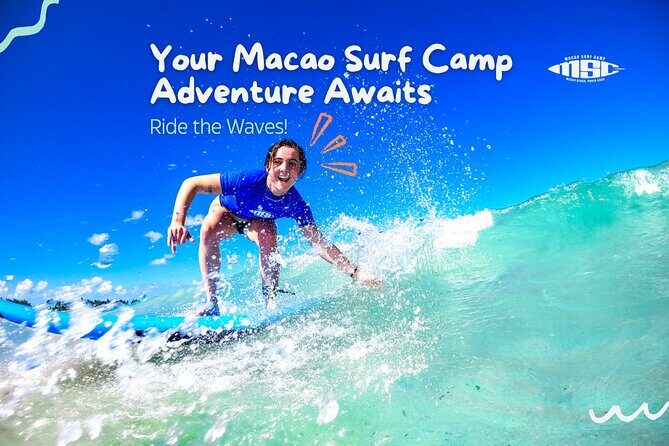
- Two sessions with a snack break keeps energy up (especially in the heat)
- All equipment covered with board + rashguard, so you travel lighter
- Pro surf photographer included for getting action shots—extras may cost more
- Macao Beach has a beginner-friendly feel thanks to its sand bottom
Why Macao Beach Makes a Smart First Surfer Bet
If you’re learning, the beach matters as much as the instructor. Macao Beach is set up so beginners can get comfortable without dealing with awkward footing. The sand bottom helps your confidence when you’re paddling out, turning, and wiping out (yes, wiping out is part of the deal). In several lessons I’ve seen people talk about, this kind of environment is exactly why they didn’t get discouraged early.
The other reason Macao works: the surf tends to be consistent enough to practice. That matters because you don’t want a lesson where you spend most of your time waiting for something “perfect.” You want reps—small wins that stack up. In reviews, people repeatedly point to getting enough chances to stand and ride, even if it’s messy at first.
And because the camp is right at the beach, you’re not doing long transfers or awkward breaks away from the action. That keeps the whole day feeling focused: theory, then water.
You can also read our reviews of more private tours in Dominican Republic



Private 1-on-1 Coaching: What You Get for $140
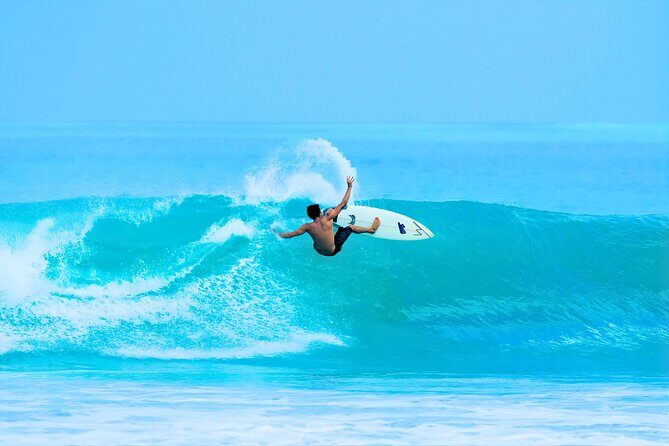
This lesson is priced at $140 per person, and the value comes from the “private” part—an instructor dedicated to your group. That’s why this is a strong choice compared with a generic group session. When you’re learning, small form issues (paddle timing, stance, where you look) can make the difference between standing and getting pulled off.
Here’s what that translates to for you:
- You get corrections in real time, while you’re still thinking about the last attempt
- Your instructor can adjust the plan for your skill level on the fly
- You’re more likely to catch waves instead of watching others and waiting your turn
It’s also listed as good for all levels. That doesn’t mean you’ll all go through the exact same skill track. It usually means the instructor has enough range to handle brand-new surfers and also refine intermediate habits. If you’re already surfing, a private coach can sharpen the details you might not notice on your own.
Two Sessions in the Water, With a Real Break
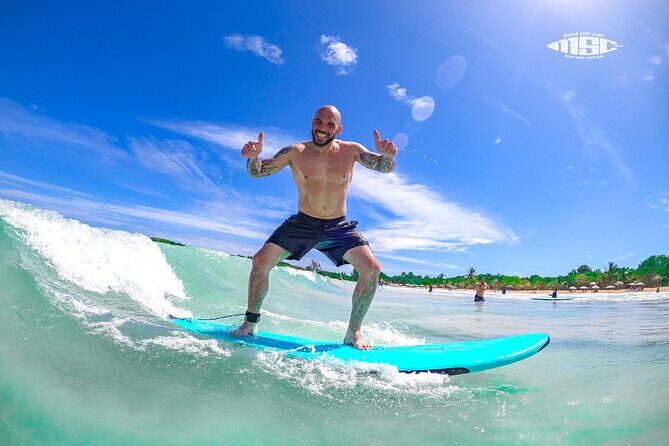
The lesson runs about 2 hours, split into two time blocks in the ocean. Between them, there’s a snack break. That structure is more than just scheduling—it’s how you stay able to learn.
Learning surfing takes energy. Your legs get tired from paddling, and your timing gets worse when you’re exhausted. A planned break lets you reset so your second session isn’t a slow burnout.
During that middle break, you’ll be offered coconut or purified water plus fruit. That’s a nice touch in Punta Cana heat. You’ll also have bottled water as part of the included basics, so you’re not scrambling for hydration.
Then you’re back into the lineup for the second session—where you’ll usually benefit most from the first round. It’s the moment when your brain starts connecting the dots: what the instructor told you, what your body did, and what you need to adjust next.
What the Lesson Looks Like Before You Paddle Out
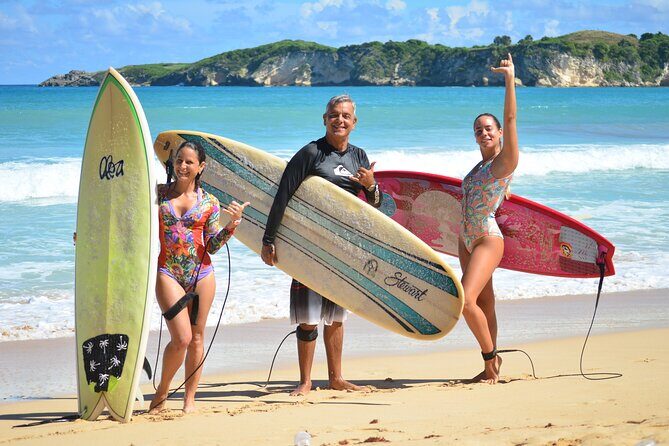
The format is simple: you’ll get surf theory, then dry land practice, and then time in the water. That order helps you avoid a common new-surfer trap: only learning by trial and error.
On land, you’ll cover the basics your coach wants you to use in the water—things like stance, how to approach a wave, and what to focus on so you don’t panic. Dry land practice matters because you can test your footing and balance without saltwater chaos.
Once you’re suited up and ready, you go into the ocean with coaching. Several reviews highlight that instructors were patient and encouraging in that first step. For example, people credited instructors like Alejandro for helping first-timers stand up and even ride. Others named Gustavo, Rafael, and Vladimir as coaches who stayed calm and communicative while working through shaky moments.
If you’re arriving tired—like someone who’d just gotten in the night before—this “teach first, then surf” flow helps. You’re not forced to figure everything out while you’re still adjusting to the heat and the adrenaline.
Pickup, Gear, and the Comfort Stuff You Don’t Want to Handle
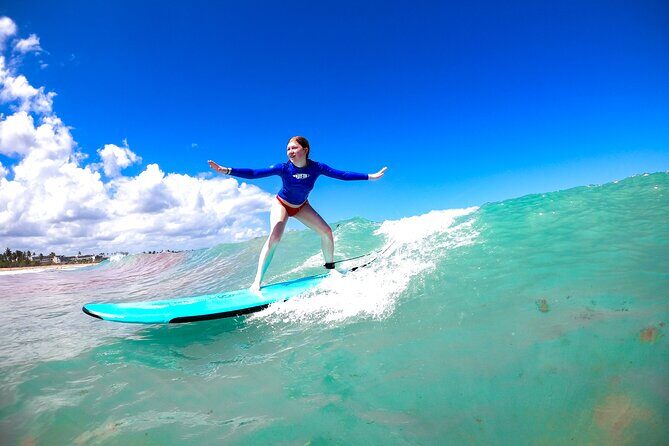
One of the practical wins here is hotel pickup and drop-off. Punta Cana can be spread out, so having the transfer built in saves time and stress. A couple of reviews also mention rides were quick—around 25 minutes to the beach for some resort guests—which makes the plan feel easy even for a first excursion.
Equipment is handled for you:
- Surfboard use included
- Rashguard included
- Bottled water included
That means you don’t need to bring anything except the basics you always bring for beach time. (More on what to pack below.)
Also, the camp brings a professional surf photographer. Important detail: action photos can be sold as souvenirs, but the lesson includes a photographer. So think of it like this: you might leave with great shots, but you still might need to pay if you want prints or digital packages.
You can also read our reviews of more tours and experiences in Dominican Republic
Instructors and Style: Patience Shows Up Fast
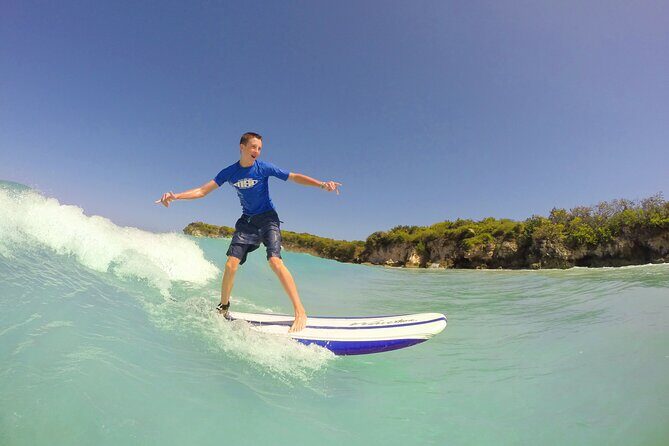
Surfing instruction is a mix of skill and psychology. You need someone who can teach mechanics without turning every wipeout into a lecture.
The tone you’ll want from a surf coach is exactly what shows up in the feedback: patience, clear communication, and enough humor to keep you from feeling embarrassed when you fall. People repeatedly call out the “I can do this” moment that happens after a coach explains things in a way that clicks.
You’ll see specific instructor names in reviews—like Rafael, Alejandro, Gustavo, Vladimir, and owners such as Gustavo and Rafael—and those names show up alongside words like patient and encouraging. Another review included family support and mentioned the camp made kids feel comfortable, which is hard to fake.
If your surf experience is limited, the best sign is how your instructor handles frustration. In rougher conditions, at least one review noted the sea was rough, and the team still managed expectations and got people learning safely. That’s the real skill: reading conditions and keeping you focused on progress, not perfection.
What to Pack (and the Sunglasses Lesson)
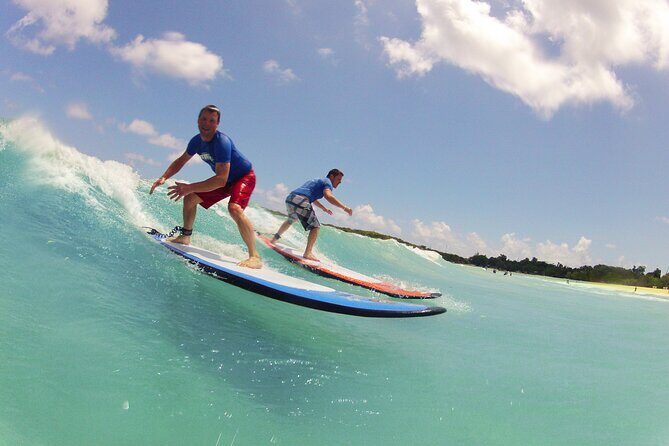
This is a beach day, so pack like it’s a beach day. The recommendation list is straightforward, but there are a couple of subtle lessons worth stealing.
Bring:
- Towel
- Sunscreen
- Extra cash for photos or lunch
Now, about sunglasses: one reviewer specifically mentioned losing prescription sunglasses. So if you wear glasses, plan to secure them. If you have a GoPro or phone, the camp also assures you that you can leave your property at their site while you’re in the water. Still, water + salt air + sandy chaos can make “I’ll just set it here” a bad move.
Also consider bringing a change of clothes for after. You’ll be damp, and having something dry makes the ride back feel a lot nicer.
Who This Lesson Fits Best in Punta Cana
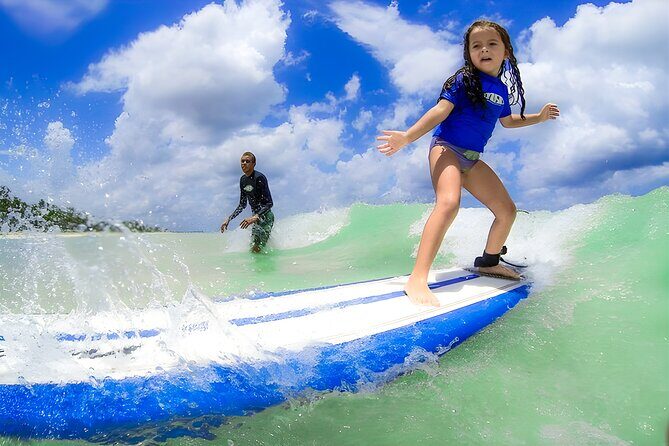
This private surf lesson is a good match for:
- First-timers who want coaching right away
- Parents with kids, since the minimum age is 4 years
- Teens and groups who want more attention than a shared lesson
- Intermediates who want corrections and better technique
One review highlighted a family setup where multiple kids joined private lessons. That’s a sign the staff can handle different ages and comfort levels without turning the day into a one-size-fits-all class.
The physical requirement is described as moderate physical fitness. You don’t need to be an athlete, but you should be able to paddle and handle some time in the water. If you’re comfortable swimming, you’ll usually do fine. If you’re not, tell the team early so the instructor can guide you accordingly.
Weather, Waves, and When the Plan Changes
This experience requires good weather. Surf days are weather-dependent, and the provider notes that if it’s canceled due to poor weather, you’ll be offered a different date or a full refund.
Here’s the practical takeaway: if you have flexibility in your Punta Cana schedule, keep this lesson near the center of your trip rather than the last day. That gives you a better chance of landing it when the conditions cooperate.
Also, don’t assume the waves will always be gentle. One review mentioned the sea was rough on their chosen day. The key part wasn’t that it was perfect—it’s that the coach warned the group and kept instruction going. When the instructor is clear about conditions, you can learn even if the water is a little intense.
The Small Details That Make It Feel Like a Real Trip
A lot of surf lessons are the same in theory: board, brief instructions, then “good luck.” This one feels more like an actual guided experience because it includes the pacing and support around the lesson.
Two things stand out:
- A snack break with coconut water or purified water and fruit during the middle
- A beach location that keeps the day from feeling rushed
You’re also not stuck with a long list of extra purchases during the lesson itself. Lunch is available at the Surf Shack Grill, and souvenir photos are available for purchase. But you’re not forced into those decisions right at the start.
And the lesson is offered in multiple languages: English, Italian, Russian, Spanish, and Ukrainian. That can matter if you’re visiting with family or if your group wants instruction in a language you’re comfortable learning in.
Should You Book This Private Surf Lesson at Macao Surf Camp?
If you want the fastest path to your first good ride, I’d book this. Private 1-on-1 coaching is the main reason. You’re paying for attention, feedback, and wave time—not just for someone to hand you a board and hope you figure it out.
Choose it especially if:
- You’re a true beginner and want a structured approach (theory → dry land → water)
- You’re traveling with kids (minimum age 4, and the setup supports family lessons)
- You’d rather spend 2 focused hours improving than a longer day waiting your turn
I’d pause only if:
- You’re trying to keep expenses ultra-tight, since lunch and souvenir photos aren’t included
- You’re not ready for moderate physical effort (paddling is real work)
Bottom line: for Punta Cana surfing from Macao Beach, this is a smart value purchase when your goal is learning, not just trying. The instructors’ patient approach—names like Rafael, Alejandro, Gustavo, Vladimir, and others in the coaching team—shows up again and again in the way people describe the experience.
FAQ
Is pickup and drop-off included?
Yes. Hotel pickup and drop-off are included, and the activity ends back at the meeting point.
How long is the private surf lesson?
It runs for about 2 hours.
What’s included in the lesson?
You get private lessons, surfboard use, a rashguard, bottled water, coconut water and/or fruits during the break, and a professional surf photographer.
What is not included?
Lunch is not included (it’s available to purchase at the Surf Shack Grill) and souvenir photos are not included.
What age can children participate?
The minimum age is 4 years.
What should I bring?
Bring a towel, sunscreen, and some extra cash for any lunch or souvenir photos you may want.