REVIEW · DOMINICAN REPUBLIC
Professional surf lessons Dominican Republic, Cabarete, Encuentro
Book on Viator →Operated by Bobo Surfs Up Surf School · Bookable on Viator
Want your first wave without guesswork? A 2-hour surf lesson in Cabarete’s Encuentro area turns theory into movement fast, led by local legend Victor ‘Bobo’ Peralta. You get warm-water practice, a real focus on rules and mechanics, and coaching that aims for technique you can reuse tomorrow.
I especially like the way this session matches you with a surfboard picked for your skill level and body type. That small detail matters a lot when you’re learning to paddle, stand, and catch a wave without fighting your equipment.
One thing to consider: the lesson depends on good weather, and the start time can shift with conditions. Also, transportation details look a bit mixed in the notes, so it’s smart to confirm whether round-trip hotel pickup is actually included for your booking.
In This Review
- Key things I’d watch for
- Cabarete surf lessons at Bobos Point: why this spot works for a short session
- Meeting at 8:00 am: what to do before you show up
- The beach intro: warmup stretch, safety, and wave theory that actually helps
- Theory becomes practice: your first hour in the water with help
- Board choice and equipment: why your success depends on the right “fit”
- Beginners vs. intermediates: what changes when you already know the basics
- Small group size: getting coaching instead of watching others
- Price and value in Cabarete: what $49.04 buys you
- Transportation and timing: the only parts worth double-checking
- What to expect from the coaching style
- Should you book this Cabarete surf lesson?
- FAQ
- What’s the duration of the surf lesson?
- Where does the lesson start?
- What time does the lesson start?
- Who teaches the lesson?
- What’s included in the price?
- What equipment do I need to bring?
- Is food or drinks included?
- Does transportation come with the activity?
- What are the age requirements?
- What happens if the weather is bad?
- FAQ
- How many people are in the group?
- Do I need to provide measurements when booking?
- Is a mobile ticket provided?
- When should I reconfirm the start time?
- Does it end at the meeting point?
Key things I’d watch for
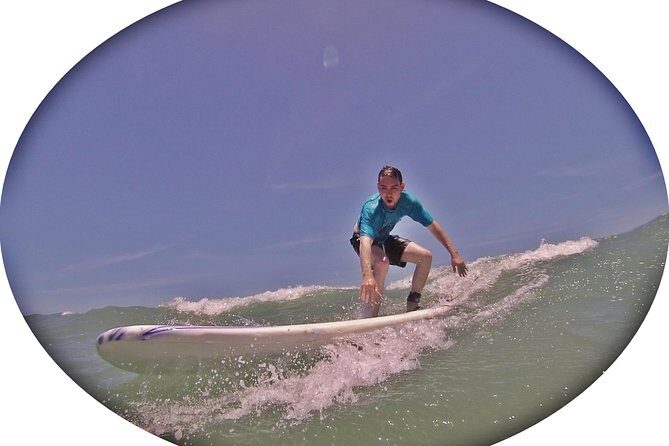
- Victor ‘Bobo’ Peralta coaching with a technique-first approach for beginners and improvers
- Board selection based on your skill and body type, not one-size-fits-all
- Beach theory plus water practice: rules, wave formation, then supervised attempts
- Max group size of 5 so you get attention instead of waiting your turn
- Warmup, stretching, and safety basics built into the session flow
Cabarete surf lessons at Bobos Point: why this spot works for a short session
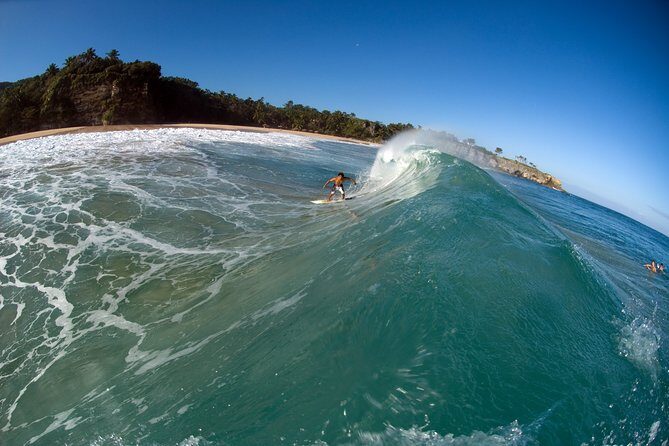
Cabarete is famous for waves, but the real win here is timing. You’re not signing up for a half-day adventure that eats your morning. You’re getting a focused 2-hour lesson that moves from shore basics to real attempts in the water.
The meeting point is Bobos Point Encuentro Surf camp, on Playa encuentro in Cabarete. That matters because you’re practicing where the school expects you to learn—paddling, reading what’s happening, and getting a feel for how the ocean wants you to move.
This is also the kind of lesson where coaching doesn’t feel like a lecture. The instruction is set up as short, practical pieces: beach intro and safety, then about an hour of actual water time with assistance and supervision. In a place like Cabarete, that approach helps you stop overthinking and start building muscle memory.
You can also read our reviews of more tours and experiences in Dominican Republic
Meeting at 8:00 am: what to do before you show up
Start time is 8:00 am, and the session ends back at the same meeting point. You’ll meet at Bobos Point Encuentro Surf camp (Playa encuentro). Since the tour notes say it’s near public transportation, it can be easier than you might expect to get there if you’re not using hotel pickup.
You’ll also be asked to provide personal sizing details at booking—your height, weight, and shoe number. That’s not busywork. It supports the board selection process, and in surf lessons, the right board can mean the difference between struggling through the first hour and making progress immediately.
Bring the basics you always need for a morning in the ocean: your swim gear and something to change into afterward. You’ll have full surf equipment provided, so you’re not hunting for a board and leash yourself.
Two practical cautions. First, the notes emphasize contacting the supplier to confirm the travel date and start time because weather can cause changes. Second, the information includes a mismatch about transport—so if you’re counting on round-trip hotel pickup, confirm it directly.
The beach intro: warmup stretch, safety, and wave theory that actually helps
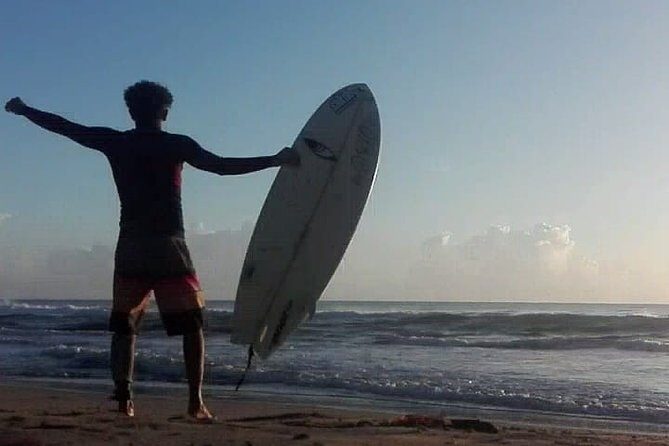
This lesson starts on shore with a structured beach intro. The flow is designed to get you warmed up and oriented before you ever paddle out: warmup stretch, an overview of overall safety, and surf theory focused on what you need right now.
You’ll also get the rules and mechanics of surfing, including how waves form and what you should be watching for. For beginners, this reduces the panic factor. For intermediate surfers, it’s a chance to reset fundamentals with someone who’s coaching from experience rather than from random internet tips.
Here’s the part I think is most valuable: the instruction isn’t just “here are ocean facts.” It’s tied to action in the water. When you understand wave formation and basic right-of-way rules, you make smarter choices about where to paddle and when to try standing.
Even if the ocean is calm, surfing still has timing. The beach intro helps you get that timing into your head before you spend energy in the wrong spots.
Theory becomes practice: your first hour in the water with help
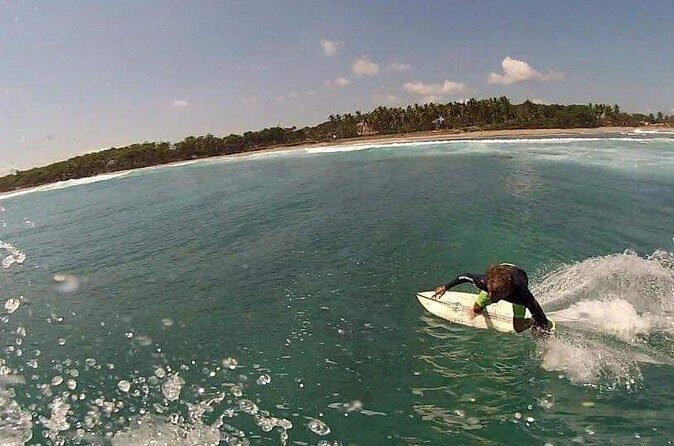
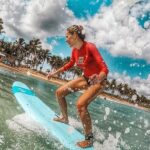
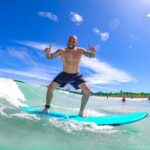
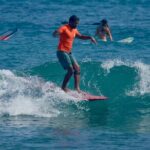
Once you’re out there, the lesson shifts from instruction to repetition. You’re given a board selected for you—again, based on your skill level and body type—and you paddle out into the warm island waters at Cabarete Beach.
The session includes about 1 hour of water practice with assistance and supervision. That coaching rhythm matters. If you get stuck, you’re not left to troubleshoot alone while the session keeps ticking. The instructors are there to correct technique while you’re still in the learning curve.
You can expect coaching aimed at the progression steps that make surfing click:
- paddle positioning and how to manage your energy
- standing mechanics and balance
- catching waves and turning that first success into repeatable attempts
The best sign this lesson works is how quickly many people report catching their first waves with guidance—often within an hour of practice. That doesn’t happen by accident. It happens when coaching targets the exact bottlenecks that stop beginners: paddling efficiency, foot placement, and when to commit.
Board choice and equipment: why your success depends on the right “fit”
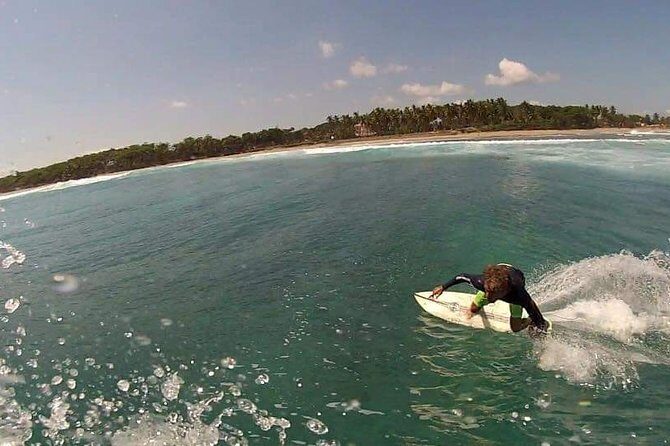
This is a short lesson, so there’s no time to learn the hard way. One of the strongest parts of this experience is that the school provides full surf equipment and chooses the board for you.
In plain terms, if your board is mismatched, you spend your session fighting the wrong problem. Too small, too advanced, or just not suited to your weight and experience level can make standing harder and wave-catching slower. The notes specifically say the board is picked according to your skill and body type, which is exactly what you want from a lesson that’s only two hours long.
This is also why the booking questions about height, weight, and shoe number matter. Surfboard selection often affects your ability to catch waves early enough to practice standing. In other words, the board choice isn’t a perk; it’s part of the teaching strategy.
If you’ve tried surfing once and felt like you never got a fair shot, this setup gives you a better chance. It’s not just lessons—it’s a learning environment built around your starting point.





Beginners vs. intermediates: what changes when you already know the basics
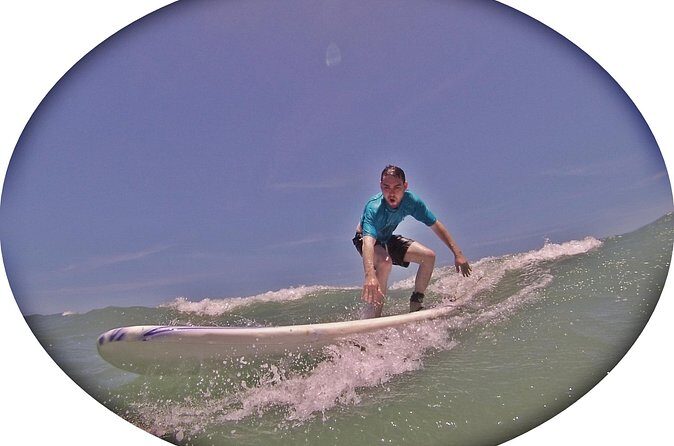
This lesson is designed for complete novices and for accomplished surfers who want improvement. That sounds broad, but the coaching focus changes in a logical way.
For beginners, the goal is to learn the basics quickly: how to paddle, stand, and catch a wave. You’ll still get beach theory and safety, but the priority becomes getting you moving toward that first wave. The session structure—warmup and safety on shore, then supervised water time—supports that.
For intermediate and advanced surfers, the session becomes more about refinement. Coaching in technique can include things like paddling mechanics, footwork, turning, and even arm placement. That kind of detail matters because improvements at higher levels often come from small changes that affect balance and timing.
The common thread is technique and fundamentals. If you’re new, fundamentals get you onto waves. If you’re already surfing, fundamentals get you more efficient and more confident.
Either way, you’re learning from Victor ‘Bobo’ Peralta, a local surfing legend with hands-on instruction. You’re not stuck with vague advice. You’re getting direction tied to what you’re doing in real time.
Small group size: getting coaching instead of watching others
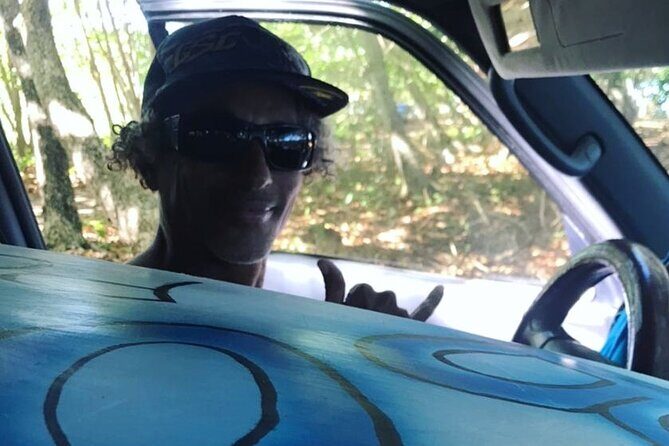
This activity has a maximum of 5 travelers. In surf lessons, that’s a big deal.
A small group usually means:
- less waiting on the sand
- more chances for quick corrections
- a better chance the instructor remembers your specific struggle
With a lesson that’s only two hours, you want attention concentrated. If you’re paired with coaching that can respond to your technique on the spot, you improve faster because you’re not repeating the same mistake for an entire session.
That also affects your confidence. Surfing can feel intimidating when you’re worried about keeping up. A smaller group helps you focus on learning, not on the fear of falling behind.
Price and value in Cabarete: what $49.04 buys you

The price listed is $49.04 per person for about 2 hours, including a professional guide, full surf equipment, and the core coaching time.
To judge value, look at what’s included that would otherwise cost money or time:
- Board and surf gear are provided, so you’re not paying to rent equipment separately
- The lesson is structured to include safety, theory, and supervised water practice
- Coaching is led by a major local name, Victor ‘Bobo’ Peralta
- The group is small (max 5), which supports faster progression
Is it a “cheap” lesson? It’s fairly priced for Cabarete, especially with equipment included and real instruction time. It’s also designed for progression within a short window, which is ideal if you’re only in the area for a few days.
One last value note: food and drinks are not included. If you want a smooth start, plan to eat beforehand or budget for a snack after. That’s not a deal-breaker, but it prevents the usual morning-of-surf surprise of being hungry and tired.
Transportation and timing: the only parts worth double-checking
This is where I’d be careful, because the notes include conflicting hints.
The overview says round-trip hotel transportation is included, but another section indicates No transport. The safest move is to contact the supplier and confirm what’s true for your exact pickup plan.
Timing can also shift due to weather. The instructions say you should reconfirm the booking’s travel date and start time since it might change with conditions. And it requires good weather, so the ocean is the boss here.
The practical takeaway: don’t schedule a tight commitment right after your 8:00 am start. Leave buffer time. If weather changes the lesson time, you want flexibility.
What to expect from the coaching style
This school’s style is simple: teach fundamentals, correct technique, and get you in the water.
From the way instruction is described, Bobo and his instructors focus on safety first, then mechanics. They teach wave formation rules and surfing theory so you understand what you’re trying to do, not just how to mimic a stance. Then they help you practice until the body learns the sequence.
A lot of what you’ll hear in the water is likely to be specific and action-based—things like how to paddle, where your feet should go, how to manage arm placement, and how to approach turns.
If you like coaching that keeps moving and doesn’t waste time with filler, this fits that vibe. It’s also a good option if you learn best when someone watches you and adjusts your technique on the spot.
Should you book this Cabarete surf lesson?
I’d book it if you want a high-focus, low-drama surf experience with real instruction time. The combination of small group size, board selection based on you, and a technique-first coach makes sense for both total beginners and surfers who want to sharpen fundamentals.
Skip it (or at least double-check details) if:
- you need guaranteed hotel pickup and don’t want uncertainty—confirm transport first
- you can’t be flexible about weather-related timing shifts
- you’re expecting a long, multi-stop surf adventure rather than a compact two-hour lesson
If your goal is catching your first wave—or improving your basics with a local legend—this is one of the most direct ways to get there in Cabarete.
FAQ
What’s the duration of the surf lesson?
It’s approximately 2 hours.
Where does the lesson start?
The meeting point is Bobos Point Encuentro Surf camp, Playa encuentro, Vista del Caribe, C. los Cocos, Cabarete 57000, Dominican Republic.
What time does the lesson start?
The start time is 8:00 am.
Who teaches the lesson?
The lesson is led by Victor “Bobo” Peralta, with instruction from Bobo Surfs Up Surf School.
What’s included in the price?
A 2-hour lesson, a professional guide, and full surf equipment.
What equipment do I need to bring?
You don’t need to bring surf equipment, since full surf equipment is included.
Is food or drinks included?
No. Food and drinks are not included.
Does transportation come with the activity?
The notes include information that round-trip hotel transportation is included, but another note says no transport—so you should confirm the exact pickup arrangement with the provider.
What are the age requirements?
The minimum age is 5 years.
What happens if the weather is bad?
The activity requires good weather. If it’s canceled due to poor weather, you’ll be offered a different date or a full refund.
FAQ
How many people are in the group?
There is a maximum of 5 travelers.
Do I need to provide measurements when booking?
Yes. All passenger heights, weights, and shoes number must be advised at time of booking.
Is a mobile ticket provided?
Yes, the tour lists a mobile ticket.
When should I reconfirm the start time?
The notes say to contact the supplier to reconfirm the booking’s travel date and start time since it might change due to weather conditions.
Does it end at the meeting point?
Yes, the activity ends back at the meeting point.