REVIEW · SANTO DOMINGO
Santo Domingo Cultural Tour
Book on Viator →Operated by M&E TOURS SRL · Bookable on Viator
If you want Santo Domingo in one day, start here. You’ll bounce from underground lakes to big monuments, then finish with Colonial Zone walking and lunch.
The best part is the 3 Eyes National Park cave system plus the historic sites clustered in the Colonial Zone. I also like that lunch is included (with bottled water and soda/soft drinks). The main thing to consider is the pace: there’s a lot of walking and steps, especially at Tres Ojos, where heat can hit hard.
Your tour runs about 5 hours 30 minutes, starts at 10:00 am, and keeps the group to a maximum of 20 travelers. If you get a strong guide—some groups have had standouts like Miguel/Mike, Leo, or Fransico/Francisco—the whole day can feel organized and easy to follow, including switching between languages when needed. One drawback to plan for: a few people have reported pickup problems or language mismatches, so you’ll want to be ready to confirm details and manage expectations about English.
In This Review
- Key highlights worth knowing
- Tres Ojos National Park: Underground lakes, real steps, and real heat
- Faro a Colón: A short stop with a very specific kind of payoff
- National Pantheon and Museo de las Casas Reales: Power, memory, and stone details
- National Pantheon
- Museo de las Casas Reales
- Colonial Zone walking: Alcázar, Catedral area, Dominicans, Las Damas, and Amber
- Calle Las Damas: tiny street, big story
- Amber Museum
- Mugado lunch: A real break with included drinks
- The pace: walking, steps, umbrellas, and the Colonial Zone pressure to buy
- English, guide quality, and how to avoid getting lost in translation
- Price and value: does $89 make sense for what you get?
- Should you book the Santo Domingo Cultural Tour?
- FAQ
- What time does the Santo Domingo Cultural Tour start?
- How long is the tour?
- Is pickup included?
- What’s included with lunch?
- Are admission tickets included for the attractions?
- How many people are in the group?
Key highlights worth knowing
- Tres Ojos lakes underground: famous sulfur lake, plus a guided cave walkthrough with admission included
- Photo stop at Faro a Colón: you’ll get time to stop for pictures at the cross-shaped Columbus monument
- Big hitters in the Colonial Zone: National Pantheon and Royal Palaces (Casa(s) Reales) are part of the plan
- Mugado lunch break: buffet-style Dominican food with vegetarian options noted and drinks included
- Walk-heavy by design: bring water, wear grippy shoes, and expect steps in the caves
- Timing can feel tight: some stops are sometimes brief, photo-only, or pointed out from a distance
Tres Ojos National Park: Underground lakes, real steps, and real heat
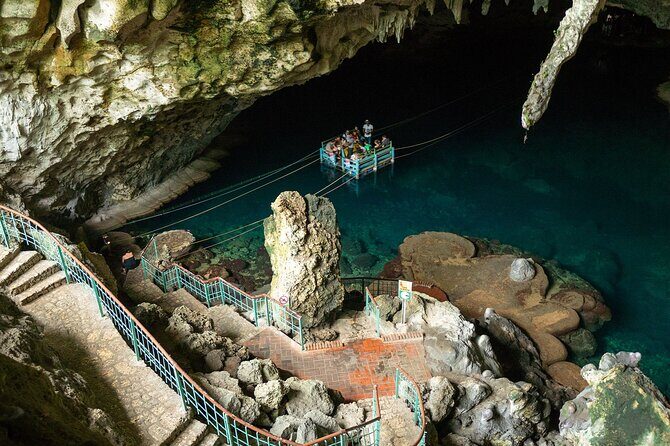
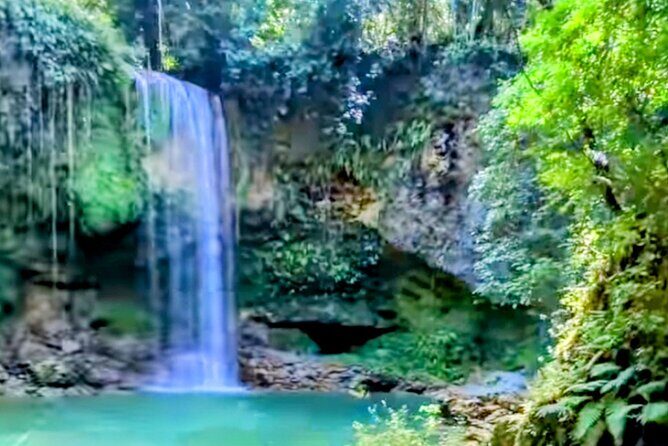
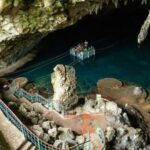
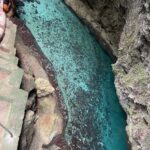
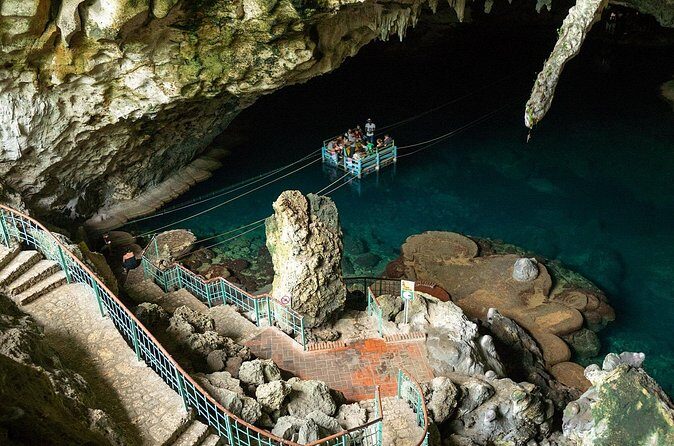
Most Santo Domingo tours start with the Colonial Zone. This one flips the script by getting you underground first, at Las Cuevas de los Tres Ojos in the 3 Eyes National Park. The setting is unforgettable: four lakes inside a cave system, including the Sulfur Lake, named for the whitish deposits in the water area.
Plan for the physical part. Even if you’re not a serious hiker, you’ll still face steps and lots of walking, and the cave environment can feel warm. One practical tip: dress for comfort and keep your shoes on the grippy side. People who enjoyed the tour most tended to be the ones who came prepared for movement, not just sightseeing.
A key note from what you might experience: some departures focus on viewing rather than every activity inside the cave. For example, there’s mention that a raft option may not be included. So if you want every single cave experience, ask your guide on the day what’s actually covered and what’s optional.
You’ll usually get about 40 minutes at Tres Ojos. That’s long enough for a proper look, but not enough to wander off. Go with the flow, keep close to the group, and use that time to watch how the lakes change—color and light shift as you move through the paths.
You can also read our reviews of more historical tours in Santo Domingo
Faro a Colón: A short stop with a very specific kind of payoff
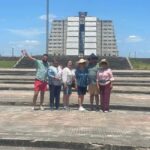
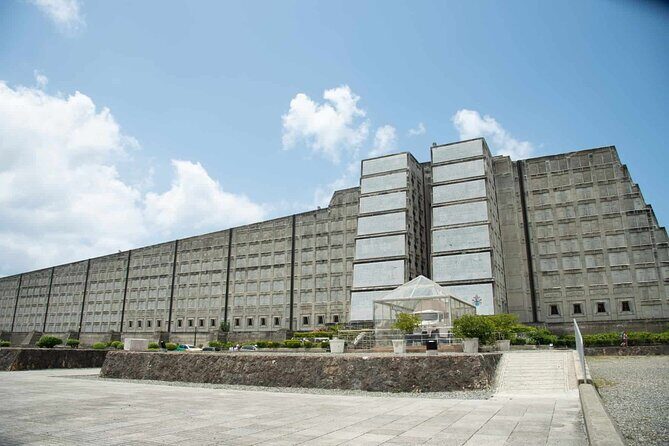
Next comes Columbus Lighthouse (Faro a Colón). This monument is shaped like a cross and is designed to commemorate the Christianization of the Americas. The scale is huge—about 800 meters long and 36.5 meters high—so even from a quick stop, it dominates the scene.
Here’s what to expect in practice: you typically get around 15 minutes, and the value is mostly photos and orientation rather than long exploration. A couple of people have found this stop more “stand and shoot” than “tour and learn.” That’s not automatically bad—it just means you shouldn’t build your entire day around it.
My advice: treat Faro a Colón as a scenic checkpoint. Get your picture, read any signage you can in a minute or two, then move on. The rest of the day is where you’ll feel like you packed real substance into your time.
National Pantheon and Museo de las Casas Reales: Power, memory, and stone details
After the photo stop, the tour swings into the big museum-and-monument zone. Two of the most meaningful scheduled stops are the National Pantheon and Museo de las Casas Reales (Royal Houses / Royal Palaces).
National Pantheon
The National Pantheon is a mausoleum where the remains of major figures in Dominican history are preserved. What stands out here is that there are around 36 empty spaces planned for future heroes. It’s not just a building—it’s an ongoing statement about who a country chooses to remember.
You’ll have about 30 minutes. That’s perfect for getting a sense of the place without rushing. If you like monuments, take the extra moment to read plaques and notice the way the building is set up to make visitors slow down.
Museo de las Casas Reales
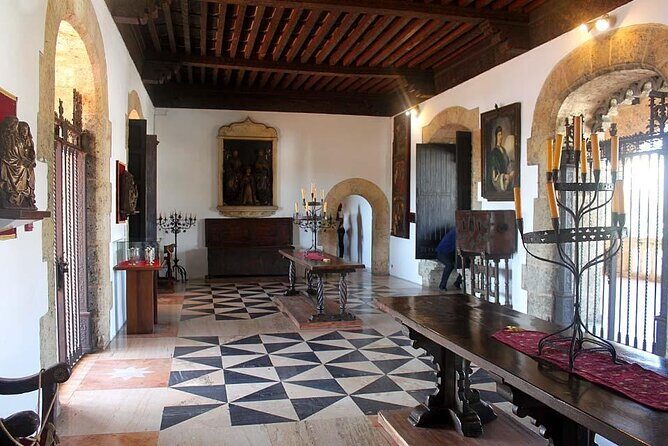
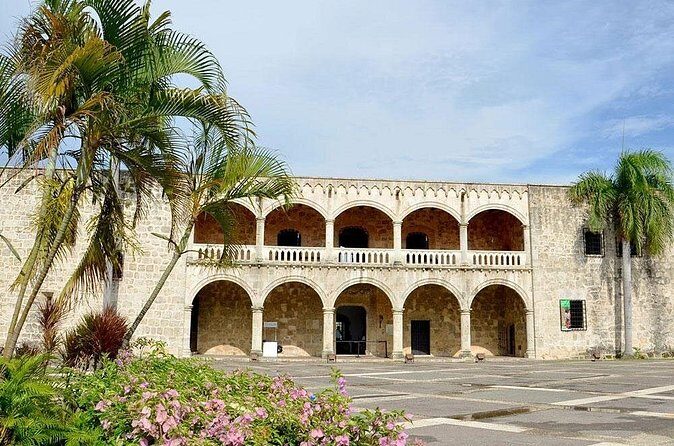
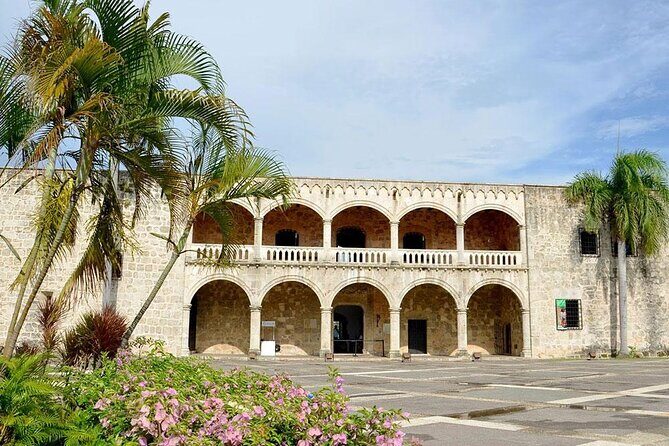
Then you’ll move to the Royal Palaces area. This museum covers palace buildings that date back to the 16th century, and the idea is to connect what you see now to the era of the captaincy general. Even if you don’t read every label, you’ll likely feel the weight of the centuries through the layout and architecture.
Plan for about 35 minutes here. This is one of those stops that’s best if your guide is willing to explain the “why,” not just the “what.” When guides like Leo or Miguel/Mike lead, you’ll usually get more story than names and dates—which makes the palace feel more alive.


Colonial Zone walking: Alcázar, Catedral area, Dominicans, Las Damas, and Amber
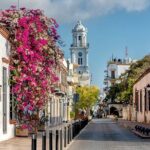
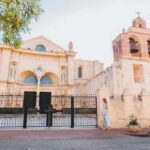
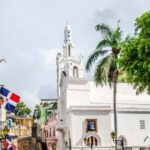
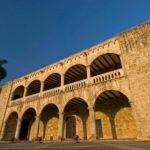
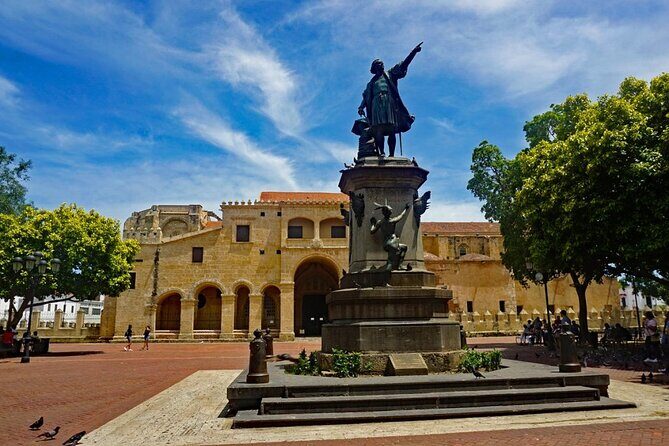
After the museums, the tour heads into the Zona Colonial, where Santo Domingo’s history is practically on the street corners. The plan calls out several famous stops: the area around the Catedral Primada de América, the Convent of the Dominicans, Calle Las Damas, and the Amber Museum, plus other emblematic buildings like the Alcázar de Colón.
Here’s the honest practical angle: time is limited, and the exact way these stops play out can vary. Some groups have reported that certain places were only pointed out from a distance or weren’t fully entered. Others have been satisfied with the pace and coverage.
So treat this part as two layers:
- You’ll get a guided walk through key Colonial Zone streets and viewpoints.
- You may not get equal “inside time” for every named stop.
Calle Las Damas: tiny street, big story
One street in particular is worth paying attention to: Calle Las Damas. It’s considered the first street in Santo Domingo (and in America). The name comes from the idea that ladies of the period walked there during early colonial times. It’s the kind of detail you only really appreciate if your guide gives you a little context.
Amber Museum
The Amber Museum is also part of the plan. If you enjoy hands-on displays and cultural craft materials, this can be a good use of time. But if the day turns out rushed, you may only get a quick look. Again, this is where language and guide pacing really matter.
My tip for this section: keep your expectations flexible. If a stop becomes more brief than you hoped, use the time you still have to ask one focused question—How did this building function here? What changed over time?—because your guide can often turn a quick pass into a meaningful moment.
Mugado lunch: A real break with included drinks
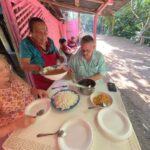
Lunch is scheduled at the Museo de la Gastronomía Dominicana (Mugado), and this is one of the best value parts of the day. You’ll get a buffet-style meal with traditional Dominican flavors, and the package includes bottled water and soda/soft drinks.
A detail that matters: alcohol is not included, so if you want rum or beer with lunch, you’ll need to plan for that separately.
Food-wise, you can expect a solid buffet setup and a chance to cool down. People who were happy with the lunch often praised both the quality and the fact that it feels like a normal sit-down break rather than a rushed grab-and-go. Vegetarian options have also been noted, which is a big deal on tours that sometimes forget dietary needs.
You’ll likely have around 45 minutes. Use it to reset before the afternoon walking and shopping stops.
The pace: walking, steps, umbrellas, and the Colonial Zone pressure to buy

This tour is action-heavy for a reason. In one day you’re covering caves, monuments, museums, and a Colonial Zone walk. That means you need to be okay with long stretches on foot.
The biggest physical stress point is the Tres Ojos visit. People specifically call out steps and heat there. Pack like you’re going to be outdoors for a long time, even though part of the time is underground.
Weather is another surprise factor. One guide reportedly even arranged umbrellas when it started raining. That’s not something you should rely on, but it does suggest that some guides actively solve problems in real time. If it’s pouring, the museum stops and covered interiors become your best friends.
Now the not-so-fun part: the day ends with local crafts. On some departures, people felt this included more pressure to purchase than they wanted. That doesn’t mean it will happen to you—but it does mean you should go in with a budget mindset. If you like shopping, great. If you don’t, plan to browse quickly and keep moving with the group.
Also, there’s sometimes a conversation around tipping. If you want to tip, do it because you chose to, not because you felt pushed.
English, guide quality, and how to avoid getting lost in translation
One reason this tour can swing from fantastic to frustrating is language. The tour plan includes an expert guide, and some guides have worked in both Spanish and English. For example, Miguel/Mike and Leo are names that show up in positive experiences, including mention of strong English and friendly explanations.
But there are also reports that not every guide’s English was smooth, and in at least some cases, English support didn’t feel strong enough for non-Spanish speakers in the group. A few people also described the day feeling disorganized at handoffs, especially when groups get mixed.
Here’s how you can reduce the risk:
- When you meet your guide, confirm quickly whether the explanations will be in English throughout or whether translation will be limited.
- If you need full English, say so at the start. Ask for the “how” of it: full narration in English, or Spanish with brief English summaries?
- If you’re sensitive to waiting, arrive a bit early to the pickup point and keep your phone charged for any contact attempts.
The upside: when the guide is on point, you’ll get the kind of detail that makes Colonial Zone buildings feel more than postcard backdrops.
Price and value: does $89 make sense for what you get?
At $89 per person, this tour sits in a reasonable mid-range for Santo Domingo. The value equation is pretty clear once you look at what’s included:
- You get a full day loop across major sights (caves + monuments + Colonial Zone stops).
- Lunch is included at Mugado, and drinks are included (water plus soda/soft drinks).
- Admission is included for some attractions, including Tres Ojos, National Pantheon, and Museo de las Casas Reales.
- The Faro a Colón stop is free entry, and you’re mainly there for photos.
Where value can feel less strong is when some named Colonial Zone sites don’t get much inside time, or when a stop becomes mostly “point and photo” rather than guided exploration. Also, if your language needs aren’t met, you may feel you paid for sites you couldn’t fully understand.
Who this is best for:
- First-timers who want a guided outline of the city quickly
- People who enjoy monuments and want a tight schedule rather than wandering alone
- Travelers who are okay with walking and want lunch covered
Who might skip it:
- Anyone who needs step-by-step English narration at every stop
- People who can’t handle cave stairs or long walking
- Travelers who prefer total control and would rather structure their own Colonial Zone route
Should you book the Santo Domingo Cultural Tour?
I’d book it if your goal is simple: see a lot of the most important spots in one efficient day, with lunch handled and admission covered for key stops. The Tres Ojos caves plus the monument cluster in and around the Colonial Zone is a winning combo—especially if you land a guide who explains well and keeps the group together.
I wouldn’t book it blindly if you’re worried about pickup reliability or language clarity. This tour’s biggest vulnerability is logistics and consistency, not the sights themselves. If you do book, confirm your pickup details the day before, be ready at the pickup spot early, and ask immediately how English will be handled once you meet the guide.
If you’re flexible, bring sturdy shoes, and treat shopping stops as optional browsing, this can be a great first-day overview of Santo Domingo.
FAQ
What time does the Santo Domingo Cultural Tour start?
The start time is 10:00 am.
How long is the tour?
It runs for about 5 hours 30 minutes.
Is pickup included?
Yes, pickup is offered, and you’ll be taken back to your hotel at the end.
What’s included with lunch?
Lunch includes a typical Dominican meal plus bottled water and soda/soft drinks. Alcoholic beverages are not included.
Are admission tickets included for the attractions?
Admission is included for some stops, and free admission applies to others. For example, Tres Ojos and the National Pantheon list admission included, while Faro a Colón is free.
How many people are in the group?
The tour is limited to a maximum of 20 travelers.