REVIEW · SANTO DOMINGO
Santo Domingo: Colonial Zone Tour with tasting
Book on GetYourGuide →Operated by Ricesar · Bookable on GetYourGuide
Old Santo Domingo tastes better on foot. This Santo Domingo Colonial Zone tour is a focused walking route through major landmarks, plus a flavor stop that ties the old city to today.
What I like most is the way the guide makes the UNESCO Zona Colonial feel human instead of museum-still. The second standout is the Dominican coffee and artisanal chocolate tasting, which gives you something real to remember (not just photos).
One consideration: it’s a solid 2-hour stroll on cobblestones, so comfortable shoes matter. Also, it’s listed as not suitable for people over 95.
In This Review
- Key things that make this tour worth it
- Why this Colonial Zone tour fits 2 hours (and still feels complete)
- From the meeting point at Parque Colón to the first big landmarks
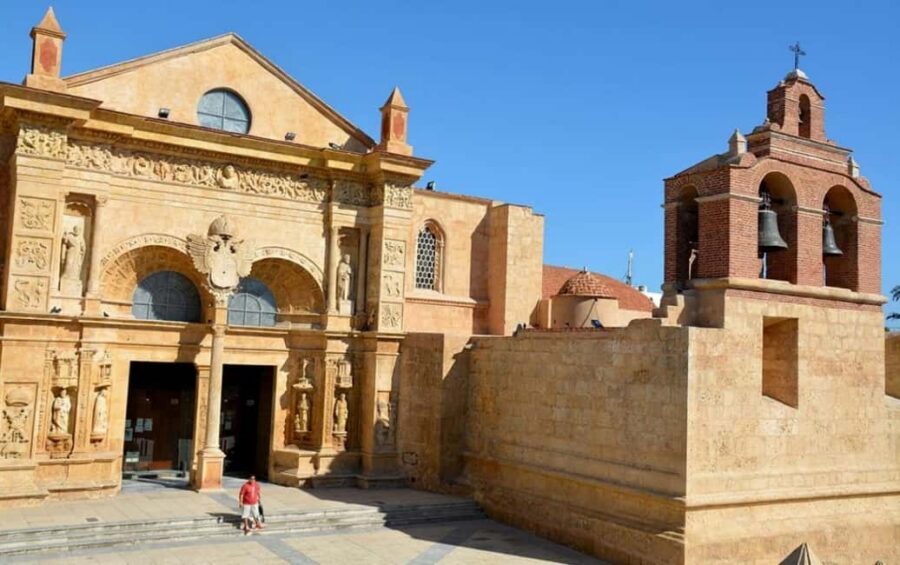
- Catedral Primada de América: the first cathedral in the Americas
- Alcázar de Colón: seeing the Columbus family story in real stone
- Museo de las Casas Reales: where the history gets specific
- Panteón Nacional, Calle de las Damas, and Fortaleza Ozama: the street-level sweep
- The coffee and chocolate tasting: a real flavor memory, not a gimmick
- How the pacing works: what you’ll actually do during the 2 hours
- Price and value: what $20 is buying you here
- Who should book (and who should skip it)
- My quick checklist before you go
- Should you book this Santo Domingo Colonial Zone tour with tasting?
- FAQ
- Where is the meeting point?
- How long is the tour?
- How much does it cost?
- What places are visited during the tour?
- Is there a tasting included?
- Do I skip the ticket line?
- What languages are available for the guide?
- Is transportation included?
- What should I bring?
- Is it wheelchair accessible?
Key things that make this tour worth it
- UNESCO Colonial Zone route with multiple first-rate stops, kept tight to 2 hours
- Skip-the-ticket-line entry where offered, so you spend time walking and learning
- Catedral Primada de América and the historical thread of the Americas’ early days
- Alcázar de Colón linked to the Columbus family’s local story
- Coffee, artisanal chocolate, and mamajuana flavor context to connect past and present
- Photo time + personalized recommendations from your live guide
Why this Colonial Zone tour fits 2 hours (and still feels complete)
The Zona Colonial is one of those places where it’s easy to get lost in pretty streets and miss what actually made it matter. This tour solves that with a guided walk that hits the big names, but keeps a conversational pace so the history doesn’t turn into a textbook.
At $20 per person for 2 hours, you’re paying for more than walking. You’re getting a live guide (in Spanish, English, or French), visits to several major sites, and a tasting that gives the experience a sensory hook. If you’re visiting Santo Domingo for the first time, this is a practical way to get your bearings fast.
You can also read our reviews of more food & drink experiences in Santo Domingo
From the meeting point at Parque Colón to the first big landmarks
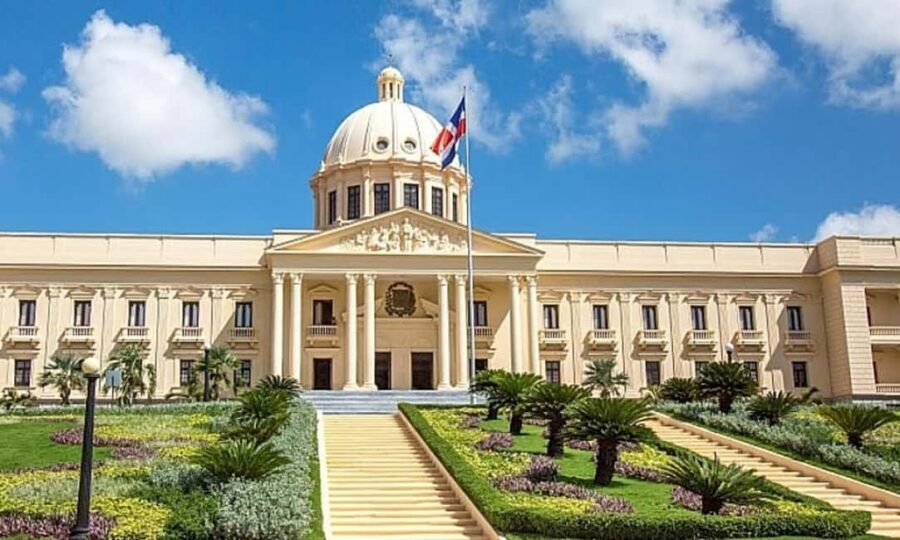
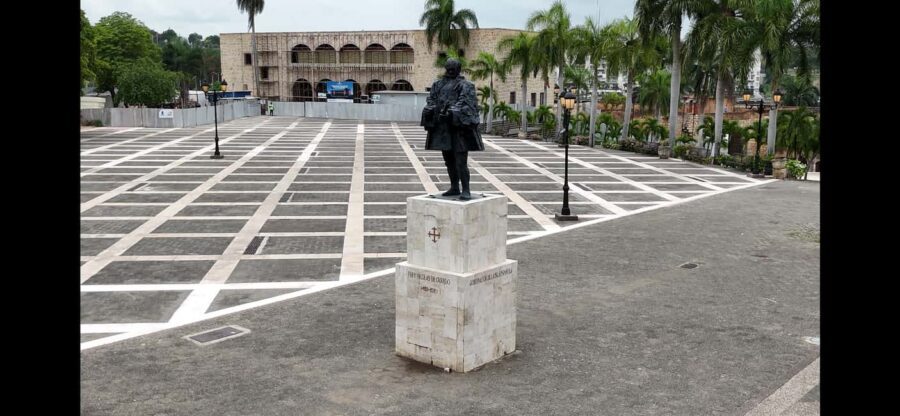
You start at frente al reloj del sol, near the Parque Colón, in front of the Catedral Primada. The location is smart because it puts you at the center of action immediately—no long “how to get there” time, and you can orient yourself on arrival.
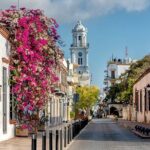
From there, you’ll walk into the heart of the UNESCO-listed Zona Colonial. Expect a mix of iconic facades and small street moments. Calle-level history matters here: the guide’s job is to connect what you see (cathedral stone, old walls, royal-adjacent buildings) to why the whole area became so important.
Also, you get brief free time during the tour for photos and personalized recommendations. That’s helpful if you want to keep exploring after the group breaks up, because you’ll leave with a short list of where to go next.
Catedral Primada de América: the first cathedral in the Americas
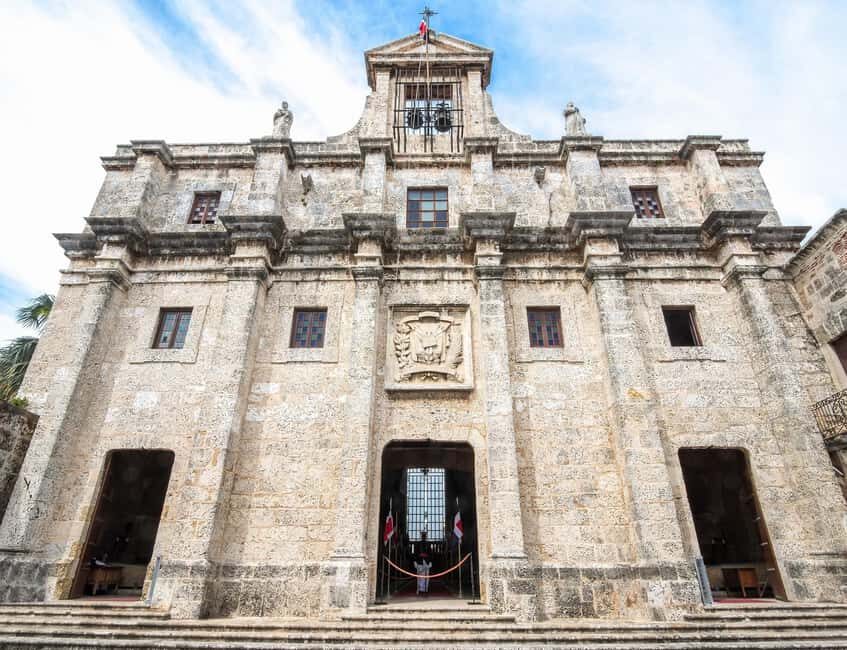
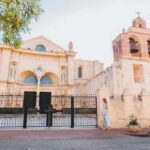
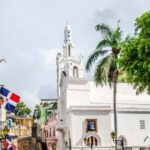
One of the main stops is the Catedral Primada de América (also known as Catedral Santa María la Menor). This is the kind of site where the first question you’ll want answered is simple: why was it built here, and why does it still matter?
What I appreciate about this tour’s cathedral stop is that it’s not treated like a standalone photo moment. You’re placed inside the broader story of the Colonial Zone—early colonial presence, European influence, and the way the church shaped public life in the early city.
A cathedral also sets the tone for the rest of your walk. When you see it, you understand what the next sites are reacting to: royal power next door, historic residences around the corner, and the streets that supported daily life.
Alcázar de Colón: seeing the Columbus family story in real stone
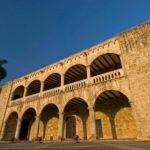
Next up is the Alcázar de Colón, the former residence linked to the Columbus family. Even if you don’t love history for its own sake, this stop works because it gives you a tangible sense of “who lived where” and how power moved through domestic space.
The Alcázar is one of those places that can be easy to skim if you go in cold. The guide helps by tying the building to the larger colonial narrative. You get to look at the structure and then understand what that structure represented—rank, legitimacy, and the way European arrivals reshaped local life.
Practical note: this is a guided visit, so don’t treat it like a quick pass. If you want the most out of it, slow down when the guide points out details, even if you’re tempted to rush to the next photo.
Museo de las Casas Reales: where the history gets specific
Then you’ll visit the Museo de las Casas Reales, a key stop for understanding the Colonial Zone beyond landmarks. This is where the story shifts from “famous buildings” to how the system actually worked.
Why this matters: many walking tours in historic areas focus only on architecture. Here, the museum helps you connect the dots between the cathedral and the political/legal machinery of the time. You’ll learn about the history of the Dominican Republic, but in a way that fits the physical setting you’re standing in.
Also, the guided format is valuable in museums because someone can explain what you should notice. You’ll likely hear little legends and curiosities designed to make the space feel like it has a pulse, not just exhibits behind glass.

Panteón Nacional, Calle de las Damas, and Fortaleza Ozama: the street-level sweep
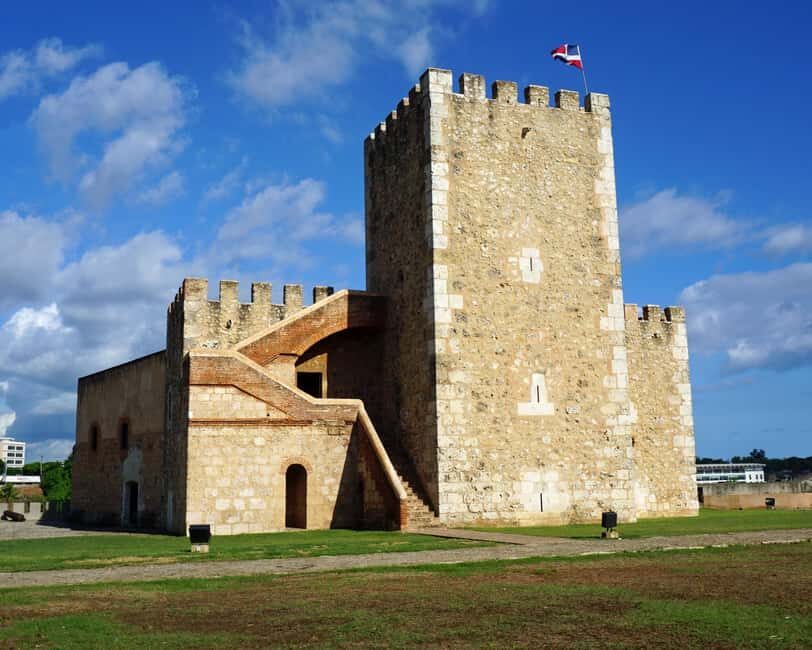
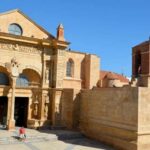
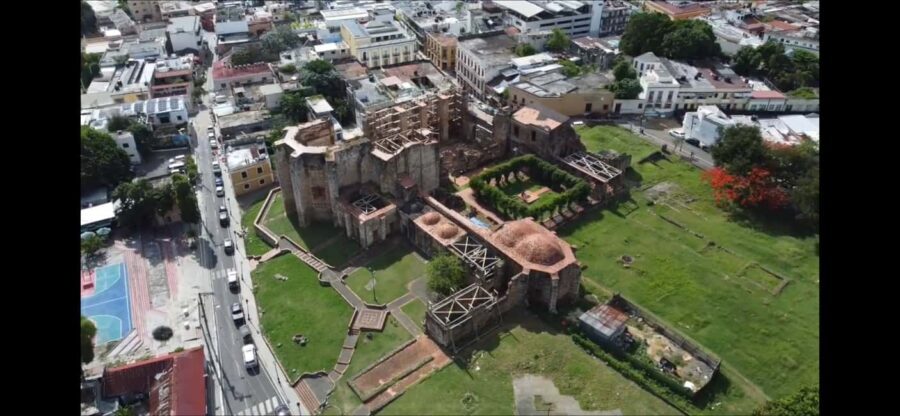
After the big-ticket buildings, the tour keeps going with additional city anchors: the Panteón Nacional, Calle de las Damas, and Fortaleza Ozama.
Here’s why these stops are worth including in a walking tour like this:
- Panteón Nacional adds a “remembering the people” layer, which balances the earlier colonial-focus sites.
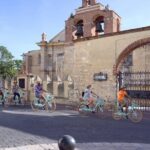
- Calle de las Damas gives you a street moment—an easy place to picture how people moved through the city in earlier centuries.
- Fortaleza Ozama is the defensive side of the story. When you’re seeing church and royal residence earlier, it helps to end with the reminder that the city was also protected, contested, and strategically placed.
Calle walks are also where the guide’s personality shows. Guides like Medina and Fernando (names you’ll see attached to praise) are highlighted for keeping explanations clear and turning history into something you can follow from stop to stop.
The coffee and chocolate tasting: a real flavor memory, not a gimmick
This tour has a tasting built in for a reason: Santo Domingo is not just stone and dates. Food and drink are a fast way to make culture stick.
You’ll enjoy a Dominican coffee and an artisanal chocolate tasting, with mamajuana part of the flavor context during the experience. Even if you don’t consider yourself a foodie, this stop works because it connects the Colonial Zone’s past to what people actually do today.
I like tastings on walking tours when they’re short and meaningful, and this one fits that idea. It’s not a long detour. It’s a checkpoint that refreshes you mid-walk and gives your brain something to anchor to while you keep exploring.
If you’re the type who wants to keep sampling after the tour, this is a good one to do early. You’ll get a sense of what to look for as you continue through the city.
How the pacing works: what you’ll actually do during the 2 hours
Think of the schedule like this: you’re moving through major areas, stopping often enough to learn, and then catching a photo moment when the route opens up.
Included in the experience are visits to:
- the Catedral Primada de América
- Alcázar de Colón
- Museo de las Casas Reales
- Panteón Nacional
- walking along Calle de las Damas
- walking by Fortaleza Ozama
- the coffee and artisanal chocolate tasting (with mamajuana flavor context)
You’ll also get free time for photos plus personalized recommendations. That last piece is underrated. A guide can’t change your whole trip, but they can help you avoid the common mistake of wandering after a tour without a plan.
Group size isn’t listed in the info you provided, so I can’t promise whether this will feel intimate or more social. But with a 2-hour window and multiple sites, it’s usually best for people who like an active pace and clear structure.
Price and value: what $20 is buying you here
Let’s talk value in practical terms. $20 per person is relatively affordable for a guided walk that includes:
- multiple landmark visits in a UNESCO-listed area
- a live guide in your chosen language
- skip-the-ticket line
- and a coffee/chocolate tasting
If you try to DIY this route on your own, you’d still be paying your time and dealing with entry lines. If you hire a private guide, the price would almost certainly jump. So this lands in the sweet spot: group-tour cost, with enough coverage to make it feel like you used your time well.
The tour also includes directional value: once you’ve walked this section with someone explaining it, you’ll be better prepared to wander the remaining corners of the Zona Colonial on your own.
Who should book (and who should skip it)
This is a great match if you:
- want the highlights of Santo Domingo’s Colonial Zone without overthinking logistics
- like guided history that stays readable and connected to what you see
- enjoy food stops that actually fit the theme
- are visiting for the first time and want a clean starting point
It’s less ideal if you:
- struggle with walking on cobblestones for about 2 hours
- fall into the posted category of not suitable for people over 95
Wheelchair accessibility is listed, which is good news. Still, expect a historic-streets situation: cobblestones can be tough even when routes are designed to be workable. If mobility is your concern, it’s smart to confirm what the walking surface will be like.
My quick checklist before you go
Bring:
- Comfortable shoes (non-negotiable for cobblestones)
- Camera (you’ll want photos, especially around the cathedral area and along the streets)
Plan to:
- show up at frente al reloj del sol near Parque Colón
- wear something you can walk in comfortably
- keep your schedule flexible enough to enjoy the small photo/free-time moments during the tour
Should you book this Santo Domingo Colonial Zone tour with tasting?
Yes, if you want a smart first pass through the Zona Colonial that mixes big landmarks with a human guide and a flavor stop. For $20 and 2 hours, you get a structured route through the Catedral Primada, Alcázar de Colón, and Museo de las Casas Reales, plus the street-and-fortress side of the story at Calle de las Damas and Fortaleza Ozama.
I’d book it early in your trip if you can, because the guide’s explanations and recommendations will make it easier to explore the rest of the Colonial Zone afterward with confidence. If you’re short on time but want to feel like you actually understood what you were looking at, this is a very practical choice.
FAQ
Where is the meeting point?
The meeting point is frente al reloj del sol, at Parque Colón, in front of the Catedral Primada.
How long is the tour?
The tour lasts 2 hours.
How much does it cost?
It costs $20 per person.
What places are visited during the tour?
You’ll visit the Catedral Primada de América, Alcázar de Colón, and Museo de las Casas Reales, and you’ll also walk along Calle de las Damas and Fortaleza Ozama with a stop at the Panteón Nacional.
Is there a tasting included?
Yes. The tour includes a degustation of Dominican coffee and artisanal chocolate, with mamajuana included in the tasting experience.
Do I skip the ticket line?
Yes, the tour includes skip the ticket line.
What languages are available for the guide?
The live guide is available in Spanish, English, and French.
Is transportation included?
No. Transportation to the meeting point is not included.
What should I bring?
Bring comfortable shoes for walking on cobblestone streets and a camera.
Is it wheelchair accessible?
Yes, it is listed as wheelchair accessible. However, since it’s a walking tour on cobblestones, you should consider your comfort level with uneven surfaces.