REVIEW · SANTO DOMINGO
Santo Domingo: Private City Tour walking
Book on GetYourGuide →Operated by Whale Punta Cana · Bookable on GetYourGuide
A first walk through Santo Domingo feels like stepping onto the foundation of the New World. This private 3-hour stroll links major early sites—Old Santo Domingo streets and buildings—with big viewpoints from the Fortress Ozama over the Ozama River. I like how the tour blends landmarks with everyday Dominican life in the alleys, not just statues and plaques, and I also like that ticketed stops are built in. One thing to consider: it’s a walking-focused tour, so it may not be the best fit if you move slowly or if you’re traveling with small kids (it’s not suitable for children under 2, and it’s not for pregnant women).
The guide is local and speaks Spanish, English, or French, and that language choice really matters when you want the stories behind the stone. Pricing is $55 per person for a private group, which can feel like a smart deal if you’re splitting the cost with a couple of friends. The main drawback is that souvenirs aren’t included, so you’ll want to budget a bit if you like buying local crafts or rum-themed gifts at the museum stops.
In This Review
- Key highlights worth planning for
- Old Santo Domingo on Foot: UNESCO Zona Colonial, 3 Hours, Real Street Time
- Is $55 for a Private 3-Hour Walk a Good Value?
- How the Walk Really Works (and how to enjoy it more)
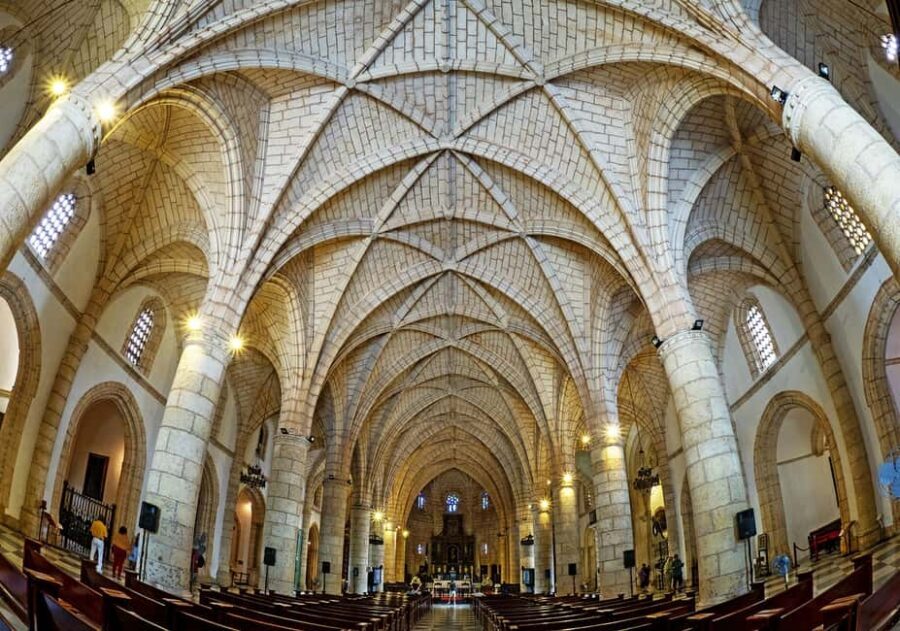
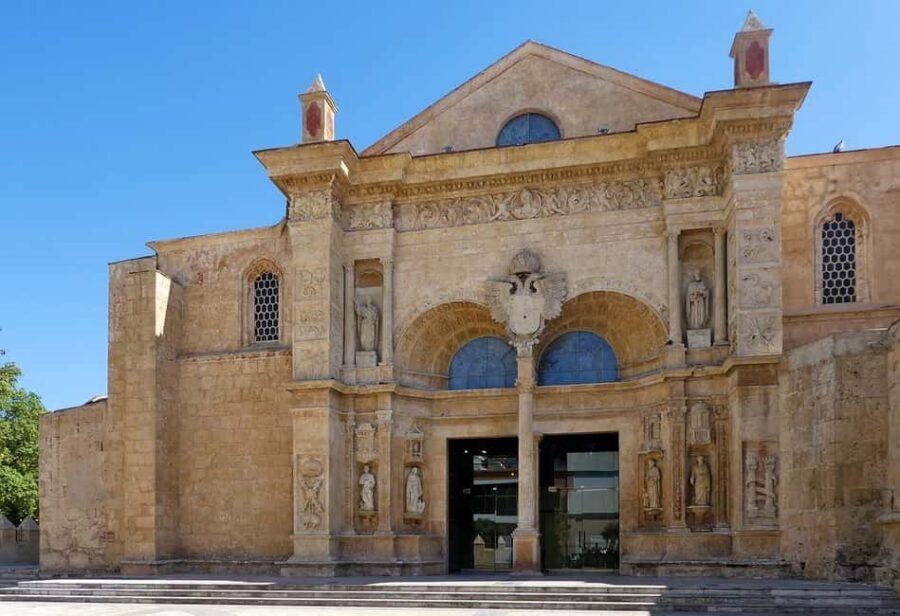
- The Cathedral Stop: Where the First Church Power Took Shape
- Calle Las Damas: The First Cobblestone Street You Can Walk
- Fortress Ozama: River Views and Why Defenses Mattered
- Museums That Break Up the Streets: Museo del Mar and Museo del Ron
- Palace of Justice and the Government Core: Power in Stone
- National Panteón: A Ticketed Pause with Weight
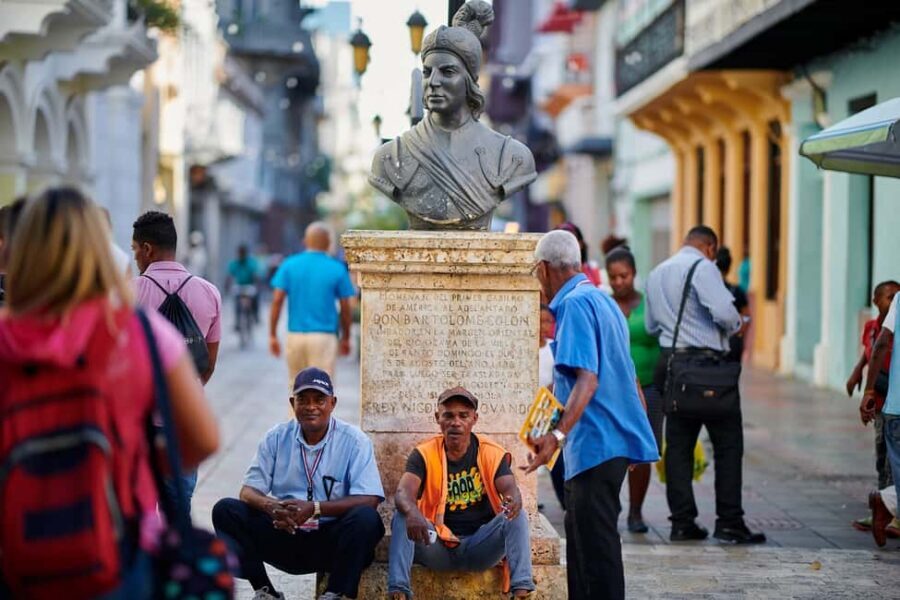
- The Daily-Life Feel: Alleys, Landmarks, and Practical Photo Moments
- Who This Private City Tour Fits Best (and who should skip it)
- Should You Book This Santo Domingo Private City Tour?
- FAQ
- How long is the Santo Domingo private city walking tour?
- What’s included in the $55 per person price?
- Which areas and sights will the tour cover?
- Is this a private tour or a group tour?
- What languages are available for the live guide?
- Is the tour wheelchair accessible?
- Who is the tour not suitable for?
- Can I cancel and get a full refund?
Key highlights worth planning for
- UNESCO Zona Colonial walking through Old Santo Domingo’s cobblestone lanes
- Fortress Ozama viewpoints over the Ozama River
- Big “firsts” around the cathedral, hospital, shipyard, and viceregal palace
- Cultural museum time at Museo del Mar and Museo del Ron (tickets included)
- Photo-friendly streets including Calle Las Damas
Old Santo Domingo on Foot: UNESCO Zona Colonial, 3 Hours, Real Street Time
Santo Domingo’s Old Town is the kind of place where you don’t need a soundtrack. You just walk, and the city keeps pointing out why it matters. This tour is built around the UNESCO World Heritage Site of Old Santo Domingo, the first European city in the Americas—so you’re not just seeing “pretty colonial buildings.” You’re tracing the early power centers of church, government, and shipping as they formed in the New World.
I like the pace here. It’s long enough to feel like a tour, but short enough to stay focused: you get the major anchor stops, then you spend meaningful time in the colonial alleys and streets. That mix is where you’ll start noticing little details—street life, architecture textures, and the way people actually move through the area.
The tour also leans into learning by placing you near the “firsts.” The area is described around key milestones: where the first Cathedral was built, where the first Bishop was sanctified, where the first Governor resided, and where the first hospital opened. Even if you’re not a hardcore historical buff, those are the kinds of specifics that make a city feel more concrete and less like a list of monuments.
You can also read our reviews of more walking tours in Santo Domingo
Is $55 for a Private 3-Hour Walk a Good Value?
At $55 per person for a private walking tour lasting 3 hours, the value comes down to what’s included—and what you would pay separately if you went on your own.
Here’s what’s built into the price:
- Entry tickets to the cathedral
- Entry to Fortress Ozama
- Entry tickets to the national Panteon
- Entry tickets to Museo del Mar and Museo del Ron
- A local tour guide
That matters because museum and major-site tickets add up fast, especially when you’re also paying for guided context. If you enjoy history but don’t love reading placards for an hour, you’ll feel the benefit of having someone connect the dots while you walk.
The other “hidden” value is efficiency. The tour includes a cluster of the most important locations in the colonial core, so you’re not zigzagging around the city trying to fit everything into one day. You also get a private group setup, which usually means fewer rushed moments and easier questions—especially if you pick English, Spanish, or French and want the explanation to land cleanly.
One practical note: souvenirs aren’t included. If you’re the type who always walks home with a small bottle of something Dominican or a local craft, plan a little extra cash for that.
How the Walk Really Works (and how to enjoy it more)
Because this is a walking tour, your comfort choices matter more than you might think. I’d plan for:
- Comfortable shoes (Old Santo Domingo is built for walking, but that also means uneven cobblestones)
- Sun protection if you’re going in warmer daytime hours
- Water if you tend to get thirsty while walking
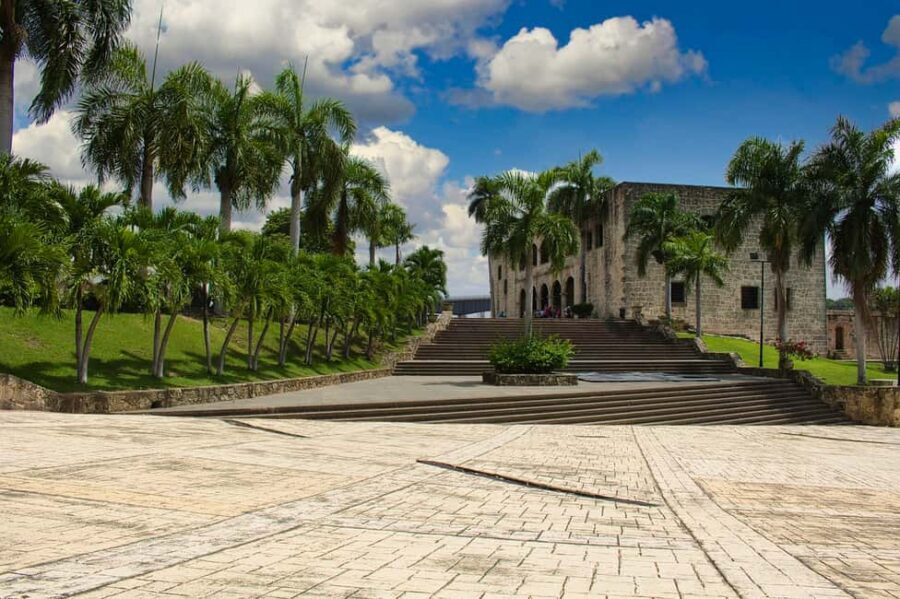
The tour starts in the historic colonial part of the city, which makes sense. You’re not warming up by driving around; you’re meeting the area where the stories took place. From there, you move from major institutional sites to the streets that helped shape daily life—so the tour feels like a connected loop, not stop-and-go sightseeing.
You’ll also get some freedom to take pictures as you go. The tour is specifically framed for photo opportunities, from viewpoints to landmark streets like Calle Las Damas.
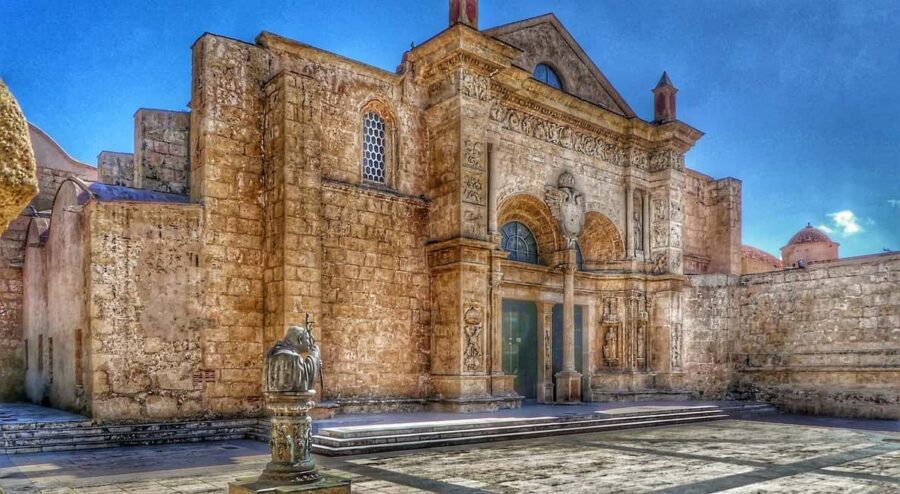
The Cathedral Stop: Where the First Church Power Took Shape
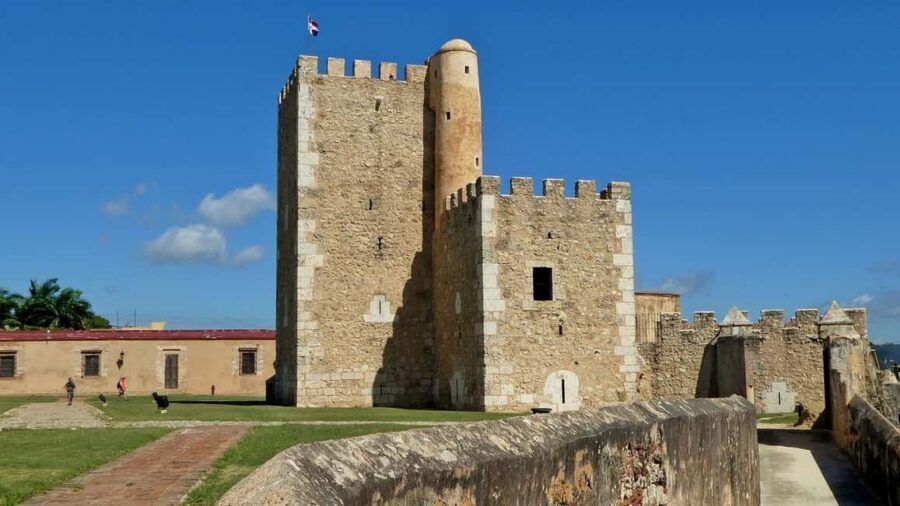
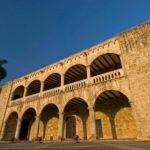
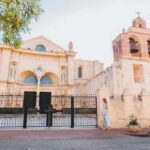
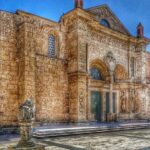
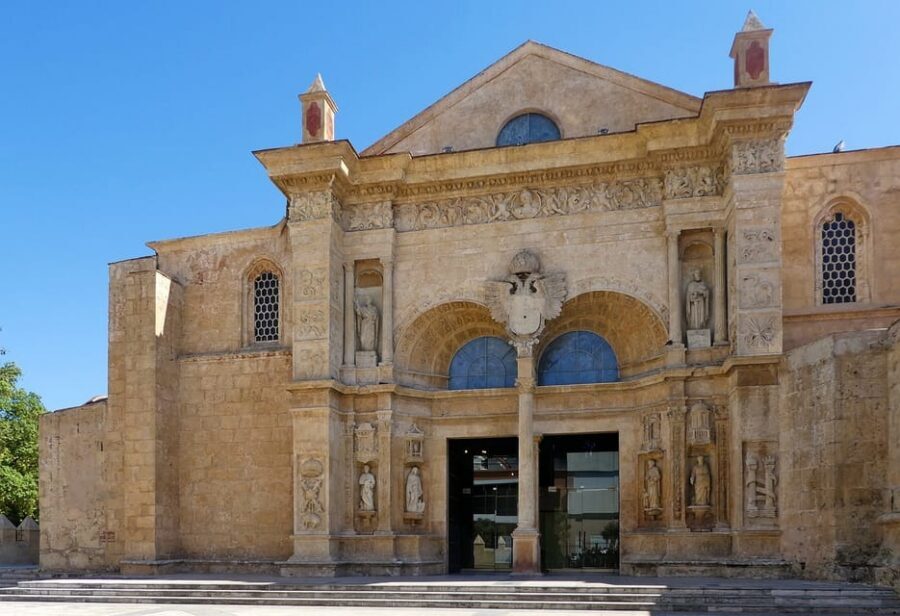
The first Cathedral is one of those landmarks that sounds obvious until you realize what it represents. You’re stepping into a place tied to the earliest ecclesiastical structure in the Americas, described here as the location where the first Cathedral was built and where the first Bishop was sanctified.
I like cathedral visits when they’re more than an architectural snapshot. Here, the guide-led context helps you see why a cathedral in a new European city wasn’t only religious—it was political, social, and administrative in its own way. It becomes a kind of anchor for everything else nearby: government decisions, community organization, and the rhythm of public life.
Expect a ticketed visit, so it’s not just a pass-by photo stop. You should give yourself a little time to absorb what you’re looking at, then let the explanation tie it to the broader “firsts” theme running through the day.
Calle Las Damas: The First Cobblestone Street You Can Walk
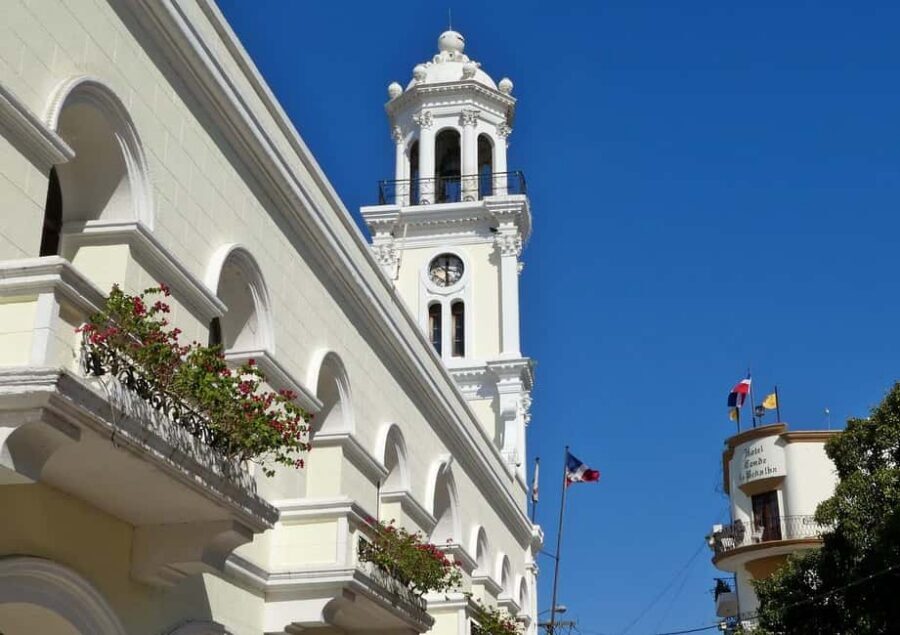
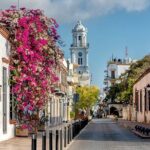
If you want one street moment that feels instantly “real,” Calle Las Damas is it. The tour highlights it as the first cobblestone street, and even if you don’t know the technical details, you’ll feel the difference in texture underfoot and the way the street frames the surrounding colonial buildings.
This stop is also a good example of why the tour works for people who don’t want pure museum time. Streets are where cities reveal themselves. You see building facades, entryways, and the scale of old neighborhoods. You also get that satisfyingly specific feeling of walking something historically labeled, not just a generic old street.
If you’re into photos, this is likely one of your easiest wins—classic cobblestones, colonial walls, and a sense of direction through the lane.
You can also read our reviews of more city tours in Santo Domingo

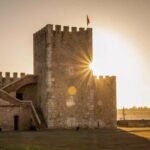
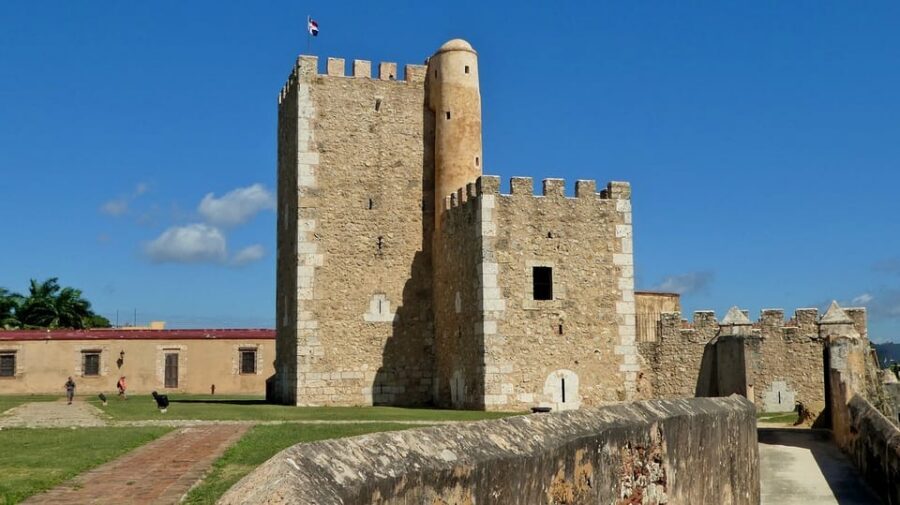
Fortress Ozama: River Views and Why Defenses Mattered
Then you head to the Fortress Ozama, and this is where the tour turns from “structures” to “strategic geography.” The fortress is framed as a key stop, with beautiful views over the Ozama River. That viewpoint isn’t just for scenery; it helps you understand how the city protected itself and why the river mattered.
Think of it like this: when you see the river from a defensive position, it clicks why fortifications were built where they were. The river wasn’t only transportation. It was an economic artery and a potential vulnerability—especially for a young city dealing with ships and trade.
This is also a ticketed stop, so you’ll have the chance to spend time there rather than rushing through a quick look. If you’re picky about viewpoints, you’ll appreciate that the tour calls out the river views as part of the core experience.
Museums That Break Up the Streets: Museo del Mar and Museo del Ron
After walking through colonial institutions, the museums are a smart reset. They also keep the tour from feeling like history only means churches and courts.
You’ll visit Museo del Mar and Museo del Ron with entry tickets included. I like that pairing because it gives you two different angles without pulling you far from the Old Town flow:
- Museo del Mar fits naturally with the maritime story connected to old shipping, shipyards, and the river setting.
- Museo del Ron connects to Dominican identity through rum culture, which feels like a living thread rather than only a past-tense museum.
Even if you’re not planning to become a museum person on vacation, the guided context can help you notice what you might otherwise skip. These stops are included for a reason: they deepen the city beyond what you see on facades and street corners.
Palace of Justice and the Government Core: Power in Stone
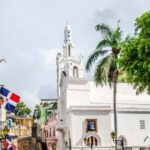
The tour includes the Palace of Justice, and that’s a key part of the “firsts” picture. When a city is taking shape, the legal system is part of how control becomes routine. In this part of Santo Domingo’s story, government isn’t an abstract concept—it’s built, housed, and practiced.
What I like about including justice and government stops is that it balances the religious landmarks. You get a fuller idea of how the city functioned. Yes, you’re in a colonial area. But you’re also seeing how authority was structured—who oversaw what, and how decisions moved through public spaces.
This stop also works well for photos, especially if you like architectural symmetry and the feel of official buildings.
National Panteón: A Ticketed Pause with Weight
The national Panteon is included with entry tickets, so it’s not optional or quick. This stop gives the tour an emotional and cultural seriousness—an added layer beyond the colonial “firsts.”
Even without turning it into a long lecture, the presence of a national-level site helps you understand that the story of Santo Domingo didn’t stop at the colonial era. It evolved, and later generations kept shaping how the city remembers itself.
Plan to take in the space at a slower speed than you might on the streets. You’ll get more out of it if you let the guide’s explanation settle your thoughts, rather than treating it like a checkpoint.
The Daily-Life Feel: Alleys, Landmarks, and Practical Photo Moments
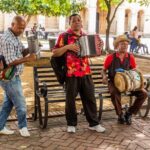
One thing the tour is very good at is mixing big landmarks with the texture of everyday life. It’s not only “look at this famous building.” It’s “walk the lanes people share,” so the city feels lived-in.
You’re guided through important colonial street-and-site locations described as connected to early institutions like:
- the first hospital
- the first shipyard
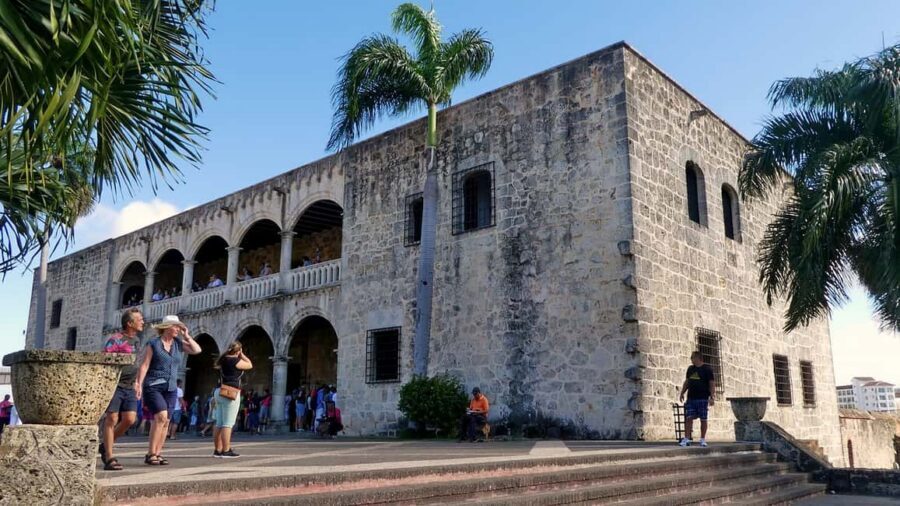
- the first viceregal palace of the American continent
That’s a lot of firsts, but the walking format helps you keep them straight. As you move from one anchor point to another, the “firsts” theme becomes a roadmap: religion, governance, health, shipping, and authority—woven into one compact historic zone.
And yes, you’ll get time to take special pictures. The guide-led flow helps you know where the best angles and photo moments usually are, without turning the whole trip into a camera drill.
Who This Private City Tour Fits Best (and who should skip it)
This is a strong match if you:
- want a first European city in the Americas experience without spending the day building a self-guided route
- like guided explanation that connects landmarks to real meaning
- prefer a walk through Old Santo Domingo over riding around for short photo stops
It’s also a decent fit if you’re traveling with a friend or two because it’s private, and the ticketed museum mix makes the time feel worthwhile.
Not suitable for:
- pregnant women
- children under 2 years
Wheelchair accessible is listed, so if you use a wheelchair, this can be a workable option—just keep in mind it’s still a walking tour environment with historic streets, so ask the provider if you need extra clarity on the route.
Should You Book This Santo Domingo Private City Tour?
Book it if you want a concentrated 3-hour dose of Old Santo Domingo that includes the key ticketed stops, plus museums that add variety. The price feels more reasonable when you factor in admission to the cathedral, Fortress Ozama, national Panteon, and both Museo del Mar and Museo del Ron.
Skip it (or think twice) if you prefer a longer, unhurried wander, or if your group needs a low-footprint plan. This one is about walking through the colonial core and letting the guide bring the “firsts” to life.
If you do book, do yourself a favor: bring comfortable shoes, choose your guide language (Spanish, English, or French), and go in curious. The best part isn’t just seeing famous sites—it’s understanding how a young city organized itself, block by block, around church, law, defense, and commerce.
FAQ
How long is the Santo Domingo private city walking tour?
It lasts 3 hours.
What’s included in the $55 per person price?
Entry tickets are included for the cathedral, Fortress Ozama, the national Panteon, and the museums of Museo del Mar and Museo del Ron, plus a local tour guide.
Which areas and sights will the tour cover?
You’ll walk through the UNESCO World Heritage Site of Old Santo Domingo and see major stops such as the first Cathedral, Calle Las Damas, the fortress and its Ozama River views, the Palace of Justice, and visits connected to key historic sites in the colonial zone.
Is this a private tour or a group tour?
It’s a private group.
What languages are available for the live guide?
The guide is available in Spanish, English, and French.
Is the tour wheelchair accessible?
Yes, wheelchair accessible is listed.
Who is the tour not suitable for?
It’s not suitable for pregnant women and children under 2 years.
Can I cancel and get a full refund?
Yes. You can cancel up to 24 hours in advance for a full refund.