REVIEW · SANTO DOMINGO
Zona Colonial: Recorrido Histórico con Chocolate y Mamajuana
Book on GetYourGuide →Operated by COPRIXA TRAVELS, S.R.L. · Bookable on GetYourGuide
Old Santo Domingo moves at walking speed. In just 2 hours, you get a guided path through the Zona Colonial with real stops that explain what you’re seeing, not just where to stand for a photo. It’s the kind of tour that helps you connect the big Spanish-era buildings to the Dominican story around them.
I especially like the stop-and-go mix of the Museum of the Royal Houses plus the big-vision architecture at the Alcázar de Colón. You also end with the Primate Cathedral, where the details make more sense once you’ve heard the context. One thing to watch: the tour title says chocolate and mamajuana, but the described route is mostly history and sightseeing, so go in expecting a heritage walk first.
If you’re the type who likes to know where to meet before you arrive, you’ll appreciate the clear rendezvous: the guide waits at the Reloj del Sol in front of the museum of the Royal Houses. And yes, a guide named Fernando has received standout praise, which is a good sign for the storytelling. Just bring comfortable shoes, sunscreen, and water, because this is a short tour with multiple walking segments.
In This Review
- Key points at a glance
- From the Chapel to the Sundial: How the 2-Hour Route Works
- Museum of the Royal Houses and Plaza España: Power, Faith, Columbus
- Alcázar de Colón and Fortaleza Ozama: Colonial Authority in Stone
- Wax Museum and Nicolás de Bari Hospital: How the Past Shapes the Present
- Calle El Conde and Parque Colón: Street Energy With a Planned Pause
- Catedral Primada de América: Details You Can Actually Spot
- Price, Value, and Who Should Book This Shortcut Through Santo Domingo
- FAQ
- Where is the meeting point?
- How long is the tour?
- What does the tour cost?
- Which languages are available for the live guide?
- What attractions are included in the tour?
- Are museum tickets included?
- What should I bring?
- Is the tour suitable for wheelchair users?
- Can I cancel and get a full refund?
Key points at a glance
- Meet at the Reloj del Sol (in front of the Museum of the Royal Houses) and get oriented fast
- Museum of the Royal Houses turns historic rooms and objects into a clear story
- Plaza España and the Columbus statue anchor what this Spanish colonial zone was built for
- Alcázar de Colón delivers the feel of power and prestige through architecture
- Calle El Conde + Parque Colón give you street energy and then a small breather
- Catedral Primada de América is the big finish, with time for guided viewing
From the Chapel to the Sundial: How the 2-Hour Route Works
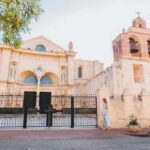
This tour is short by design: 2 hours, with quick guided segments that keep the pace moving. You start at the Chapel of Our Lady of Remedies, but the practical meet-up point is the Reloj del Sol, in front of the Museum of the Royal Houses, where your guide is waiting.
The route is built around the Santo Domingo Colonial Zone core. You’ll be walking through areas where buildings, plaques, statues, and street layout all work together. That matters because the Colonial Zone can feel like a collection of monuments if you don’t have a guide to connect the dots.
Now, about the title. The experience name includes chocolate and mamajuana, but the described itinerary you’ll follow is focused on Colonial Zone sights: museums, plazas, an alcázar (governors’ palace), a wax museum, and a hospital site, ending at the Primate Cathedral. If you’re hoping for a tasting moment, treat that part as uncertain unless the guide adds it on the spot. The safe expectation is history first.
Language is also a real value point here. You’ll have a live guide in English, French, or Spanish, so you’re not stuck translating through a screen.
You can also read our reviews of more tours and experiences in Santo Domingo


Museum of the Royal Houses and Plaza España: Power, Faith, Columbus
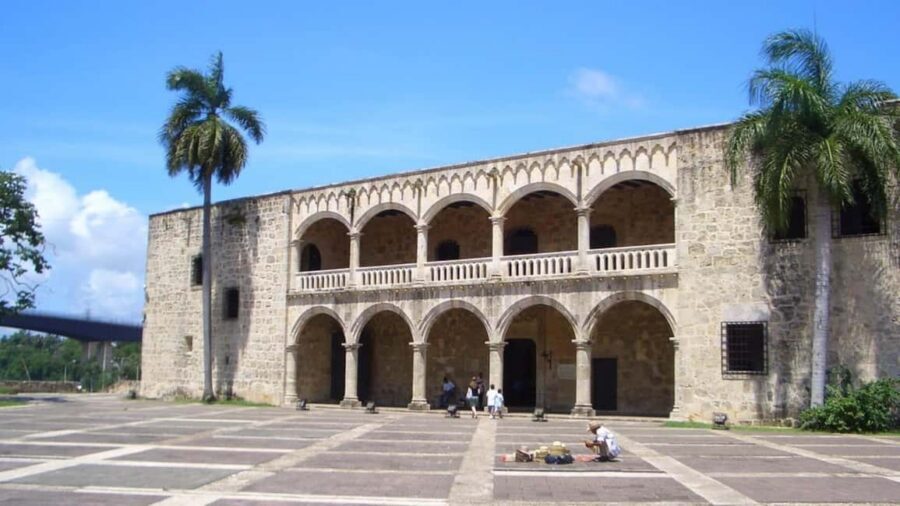
You’ll spend your first museum time at the Museum of the Royal Houses, where the goal is simple: make you understand why these rooms and objects mattered. In a Colonial Zone like Santo Domingo, it’s easy to walk past stone and call it old. This stop helps you do the opposite. It points out how Spanish-era life showed up in the space—so when you move on, you’re not just seeing architecture, you’re recognizing it as something functional and political.
Right after, Plaza España brings you to one of the area’s classic anchors: the space tied to historic encounters and the famous statue of Christopher Columbus. Plaza España is a good lesson in how public squares work. You’re seeing where people gathered, where authority got displayed, and how the colonial story got framed in open space.
Two small considerations for this part:
- Museum time is guided and relatively short, so focus on what the guide emphasizes rather than trying to read everything at once.
- Photo ops are plentiful, but Plaza España and the surrounding streets can be sunny—so sunscreen isn’t a suggestion.
If you like tours that help you go from I see it to I get it, this combo is strong: museum context plus an open-air “stage” that connects the history to what’s still standing.
Alcázar de Colón and Fortaleza Ozama: Colonial Authority in Stone
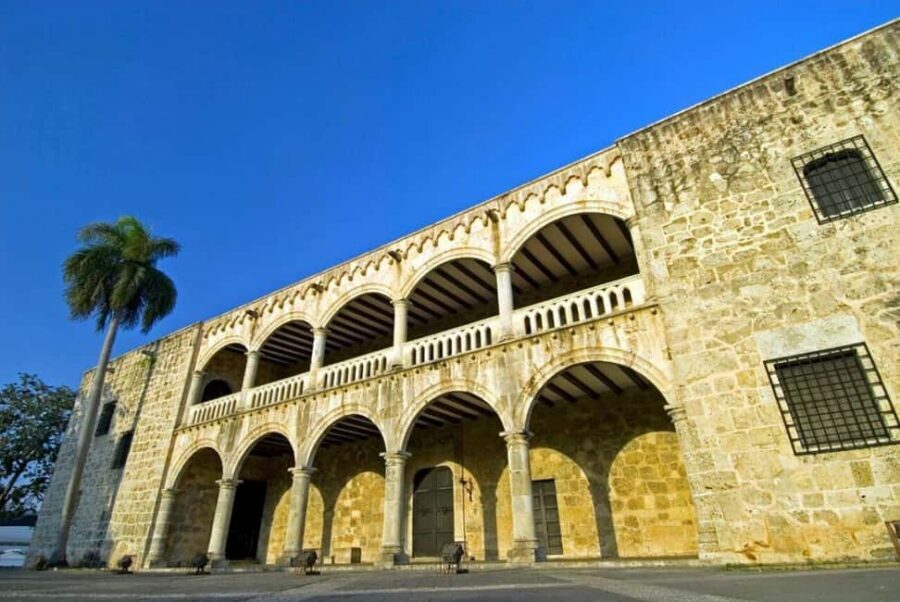
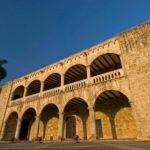
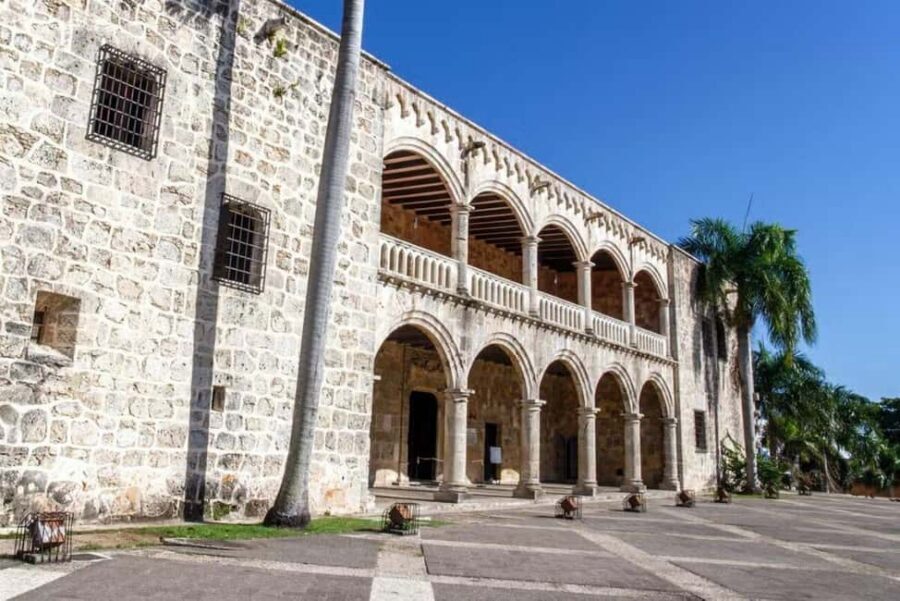
The centerpiece for many people is the Alcázar de Colón, the residence associated with the first governors of the Americas. This isn’t just about admiring walls. The point is to help you read the building—its layout, its grandeur, and what kind of authority such a residence represents.
Think of it as a physical timeline. The Alcázar shows you the Spanish colonial mindset in a way that textbooks rarely do. Even with limited time on-site, a guided visit helps you notice the difference between decorative and functional design.
Your route also includes a stop at Fortaleza Ozama, with a guided segment. That’s a smart addition because it shifts the story from residence and prestige to defense and control. When you pair a palace-like stop with a fortress-like stop, the political logic of the city starts to click. You begin to understand why power needed both impressive buildings and security.
One drawback to keep in mind: because the tour moves quickly through multiple key sites, you might not get the slow, lingering pace you’d prefer if you’re the type who reads every interpretive sign. That’s the tradeoff for squeezing a lot into two hours. If you want maximum time in one place, plan to return later on your own.
Wax Museum and Nicolás de Bari Hospital: How the Past Shapes the Present
A tour that stays only with castles and cathedrals can feel one-note. This one adds human-scale history through two very different stops.
First is the Juan Pablo Duarte Wax Museum, where wax figures aim to transport you to important moments in Dominican history, from the fight for independence to cultural milestones. The benefit of this kind of stop is that it gives you faces and scenes, which can make the rest of your walking feel less abstract. If you’re someone who learns better by seeing people rather than only reading dates, this helps.
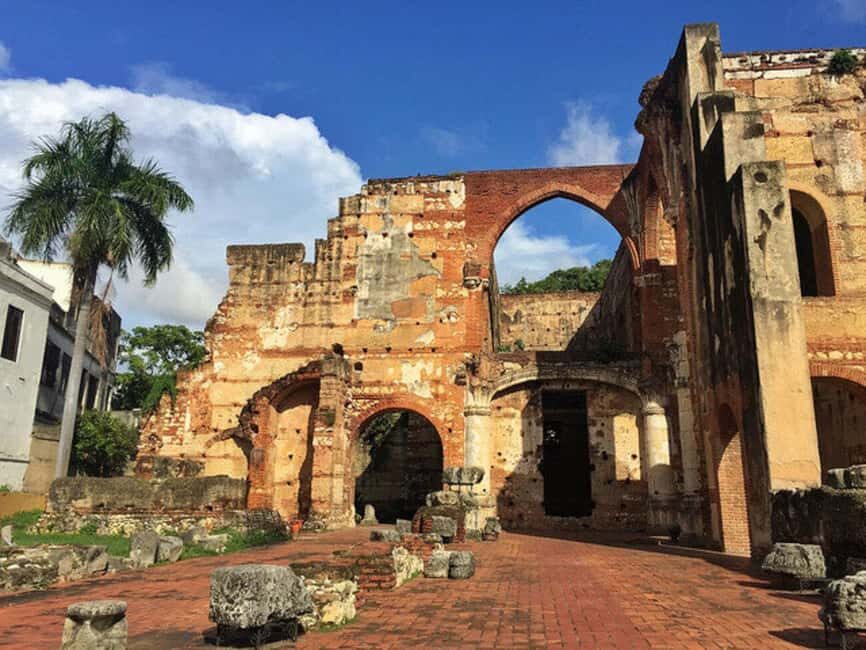
Next comes Nicolás de Bari Hospital, an institution that has witnessed centuries of care and healing. This stop is valuable because it reminds you that history isn’t only battles and political power. It also lives in services, in daily life, and in how communities respond to health needs over time. Even if you only get a short guided segment, it adds a grounded perspective to the more monumental sites.
There’s one practical thing to remember: museum tickets are not included. That doesn’t necessarily mean you’ll pay at every location, but it does mean you shouldn’t assume admission is covered. Carry some cash or be ready to handle ticket requirements if the guide directs you.
If you’re budgeting tight, the good news is the tour price is low. The not-so-fun news is that the museum parts can still come with extra costs, so check on-site needs when you meet the guide.
Calle El Conde and Parque Colón: Street Energy With a Planned Pause
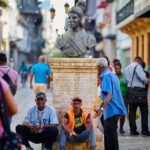
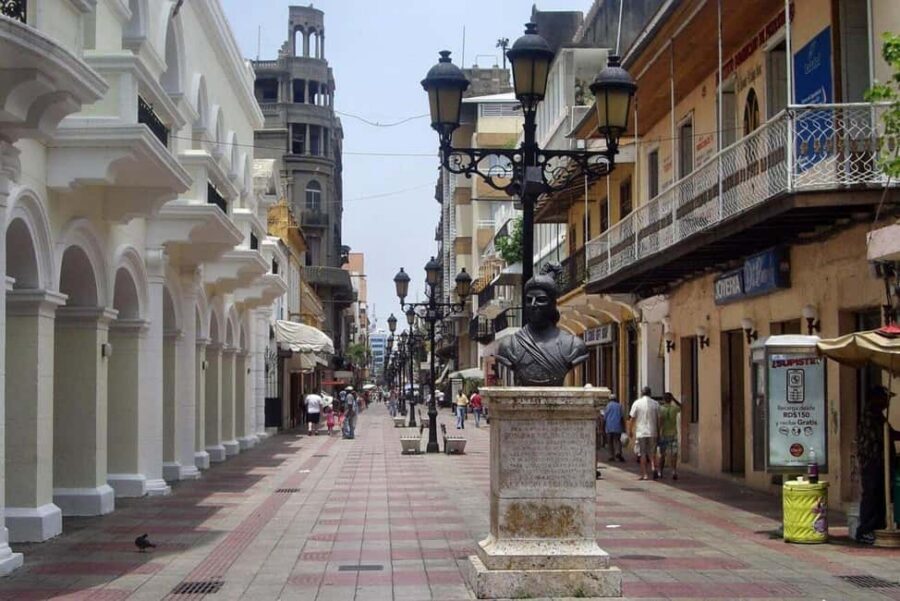
After the more structured indoor stops, the tour shifts into the street life of Santo Domingo. You’ll walk along Calle El Conde, one of the oldest and liveliest streets in the city, with a short guided segment. This part works for two reasons:
- It gives you context for where commerce and public life happen.
- It helps you re-orient the map in your head, so the Colonial Zone feels navigable instead of random.
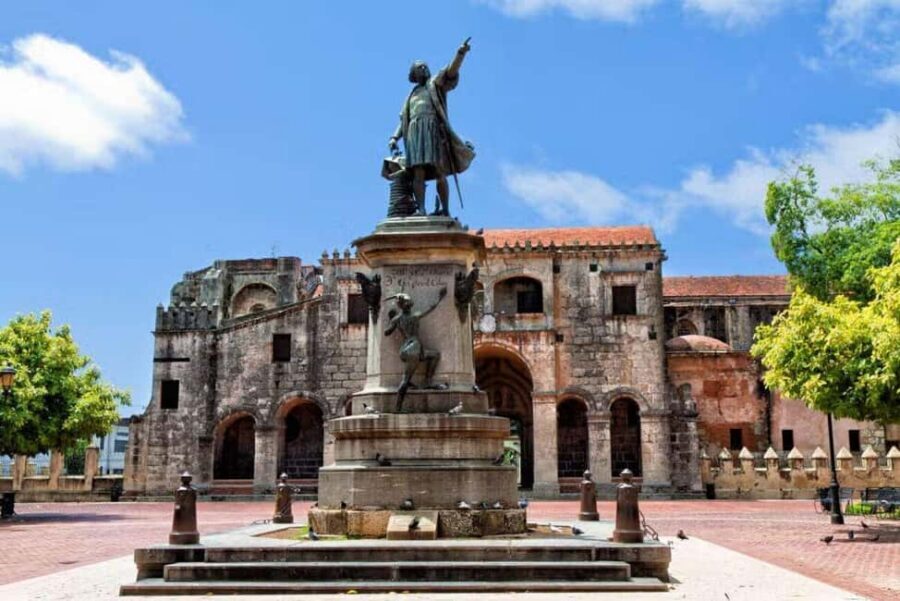
Then you’ll head to Parque Colón, a quieter pocket where you can relax and admire the statue of the explorer associated with the beginning of the history of the Americas. I like this break because it gives your feet and your eyes a moment to recover. After a few stops with more standing in place and more attention to details, the park helps you reset.
A small suggestion: keep water handy. The tour is only two hours, but the Colonial Zone is easy to walk too fast if you’re trying to keep up with the guide and take photos. A few sips and a slower pace through the park can make the final cathedral stop feel less rushed.
Also, the tour isn’t listed as suitable for wheelchair users. If mobility is an issue, you’ll likely want to confirm how the route handles uneven historic streets and stairs before booking.

Catedral Primada de América: Details You Can Actually Spot
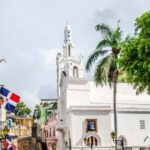
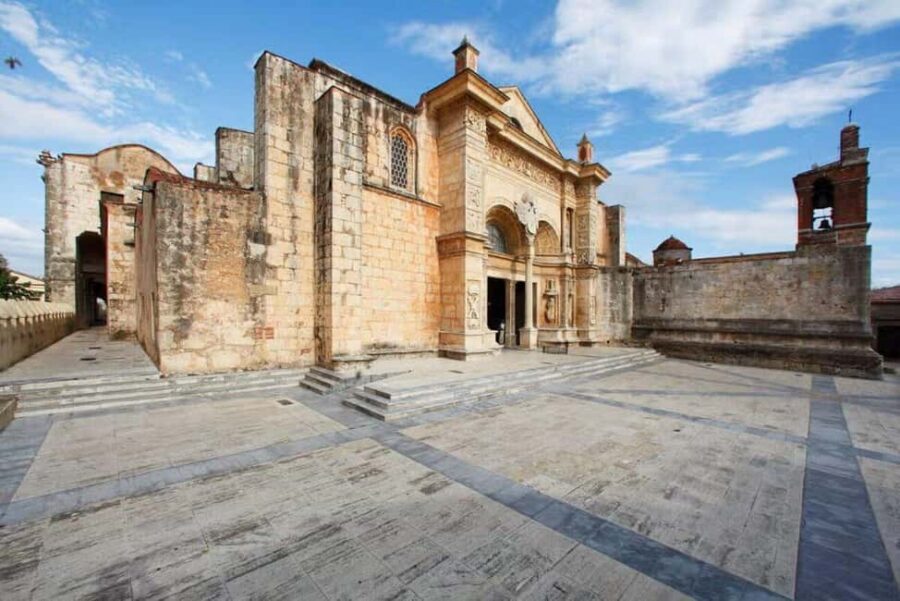
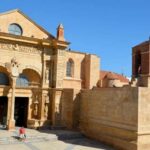
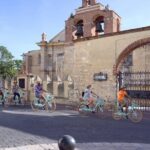
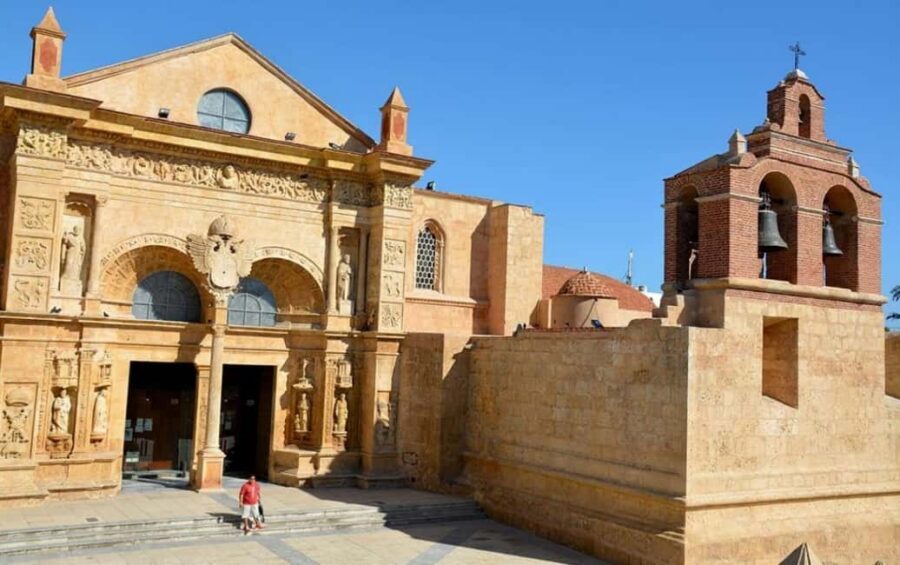
You finish at the Primate Cathedral of the Americas, with a guided visit. This is a big closing act for a short tour, and it works best if you pay attention to the guided cues rather than trying to look at everything at once.
Cathedral visits can go two ways. Either you feel lost in scale and decide it’s just another church, or you notice how faith and history shaped the building’s presence. A guided stop is what turns it from background scenery into a readable monument. The cathedral’s details start to feel intentional: where your eyes go, what’s emphasized, and how the building’s role in the region’s religious history fits the story you heard earlier.
Timing helps here: you get enough time for guided viewing so you don’t feel like you’re being herded out immediately. Still, the tour is short, so treat this as a first taste. If you want extended time inside, consider pairing this tour with a self-guided return later.
If you’re traveling with kids or someone who gets tired fast, the cathedral ending is a good choice. It’s visually impressive, and by now the guide has set the context that makes it more than just sightseeing.
Price, Value, and Who Should Book This Shortcut Through Santo Domingo
At $5 per person for a live guided tour lasting about two hours, this is strong value. The price is low enough that you can justify it even if you later decide to spend more time on your favorite stop. The route covers multiple major Colonial Zone anchors—museum context, a governors’ palace, a fortress stop, a wax museum, a hospital site, plus the cathedral—so you’re not buying just one photo stop.
The tradeoff is depth. With so many named sites on the schedule, the guide has to keep moving. You’re getting direction, not a slow academic lecture. If you love long museum browsing, you might wish the stops were longer. If you love structure and efficient context, you’ll probably feel satisfied.
The tour also has a good track record: it shows a 4.8 rating from 76 reviews. That doesn’t make it perfect, but it suggests the guiding and pacing land well for most people.
Who this fits best:
- First-time visitors to the Colonial Zone who want a map of meaning, not just a map of streets
- Travelers who like guided structure but still want to explore independently afterward
- People who want a quick way to sample more than one type of landmark: museum, plaza, palace, fortress, street life, and cathedral
Who should think twice:
- Anyone expecting a true focus on chocolate and mamajuana tasting, since the described stops don’t include a tasting activity
- Anyone needing wheelchair-friendly routing, since it’s not listed as suitable
- People who want museum tickets fully included, since tickets are not included
Should you book? If your goal is to get your bearings fast and come away with a clearer sense of how Santo Domingo’s Colonial Zone works, yes, this is a smart buy. Just plan for extra museum ticket costs and treat the tour as a history-and-landmarks sampler, not a food-focused experience.
FAQ
Where is the meeting point?
Your guide meets you at the Reloj del Sol, in front of the Museum of the Royal Houses.
How long is the tour?
The tour lasts about 2 hours.
What does the tour cost?
The price is $5 per person.
Which languages are available for the live guide?
The guide offers live tours in English, French, and Spanish.
What attractions are included in the tour?
The tour includes a guided visit to the Museum of the Royal Houses, Plaza España, Alcázar de Colón, Juan Pablo Duarte Wax Museum, Nicolás de Bari Hospital, a walk along Calle El Conde, Parque Colón, and the Primate Cathedral of the Americas.
Are museum tickets included?
No. Museum tickets are not included.
What should I bring?
Bring comfortable shoes, a camera, sunscreen, and water.
Is the tour suitable for wheelchair users?
No. It is not suitable for wheelchair users.
Can I cancel and get a full refund?
Yes. You can cancel up to 24 hours in advance for a full refund.