REVIEW · SANTO DOMINGO
Santo Domingo: Chocolate Tour + Optional Workshops
Book on GetYourGuide →Operated by Kahkow Experience · Bookable on GetYourGuide
Chocolate has a factory backstory worth seeing. In Santo Domingo, the KahKow Organic Chocolate tour turns a cacao pod into real taste through a mix of Holographic Theater storytelling and hands-on factory rooms. I love that you get both the science and the senses, especially with the cacao bean tasting and the chance to sample different chocolate percentages made by KahKow.
One possible drawback: the whole experience is short (about 25 to 50 minutes), so it’s more “hit the highlights” than a long class. And food and drinks aren’t included, so I’d plan to snack before or after.
In This Review
- Key Highlights You Shouldn’t Rush Past
- Where to Go in Santo Domingo (and What Timing Feels Like)
- Entering the Holographic Theater: Chocolate’s Origin Story in Minutes
- Cocoa Plantation Stop: Sample Cacao Fruit and Feel the Forest Vibe
- Fermentation Room: Learning How Post-Harvest Work Creates Quality
- Sensory Room: A 5-Senses Challenge That Ends in Tastings
- Glass Box on the Spanish Patio: How Factory Machines Produce the Final Product
- Optional Soap Workshop: Cacao Butter Formula and Your Pick of Aroma
- Optional Chocolate Workshop: Create Your Own Chocolate Bar
- Price and Value: How $21 Stacks Up for a Short, Interactive Tour
- What This Tour Is Best At (and Who Might Want a Longer Experience)
- Should You Book This KahKow Chocolate Tour in Santo Domingo?
- FAQ
- How long is the Santo Domingo chocolate tour?
- How much does it cost?
- Where is the meeting point?
- What is included in the base experience?
- What optional workshops can I add?
- What languages does the guide speak?
- Is the tour wheelchair accessible and stroller friendly?
- What should I bring, and is food included?
Key Highlights You Shouldn’t Rush Past
- Holographic Theater that connects cacao’s journey from Hispaniola to the wider world
- Cacao fruit sampling in a cocoa-plantation setting that feels like a real forest
- Fermentation Room where you see why quality chocolate depends on what happens after harvesting
- Sensory Room with a 5-senses game and a tasting tied to what you guess
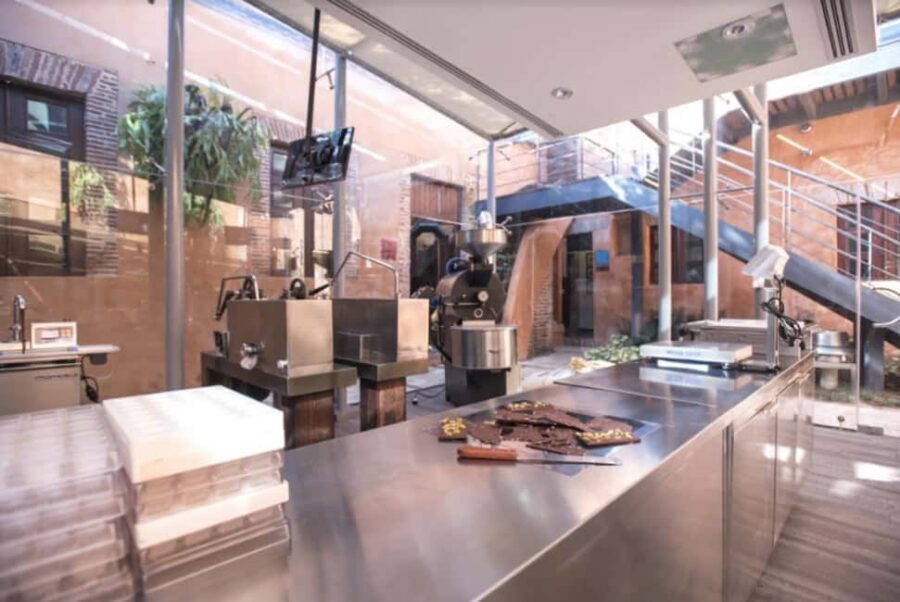
- Glass-box Spanish Patio explanation of how the factory machines turn beans into the final product
- Optional Soap or Chocolate Workshops to make something extra after the main tour
Where to Go in Santo Domingo (and What Timing Feels Like)
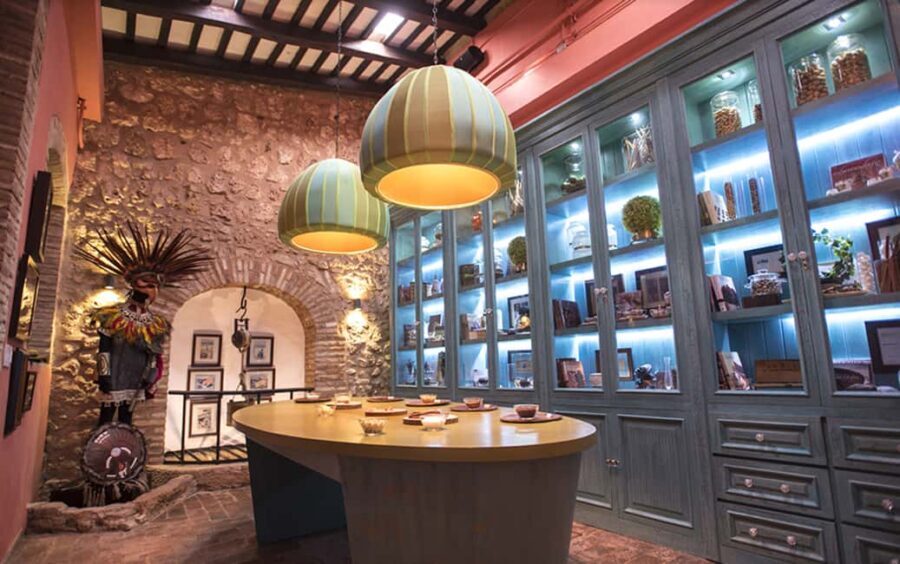
Start at Kahkow Experience, Calle Las Damas 102, Santo Domingo 10210. You’ll be checking in right at the KahKow site, and the tour start times are spaced tightly: the experience runs every 11 minutes.
That matters because this is a fast-moving, tightly scheduled format. Instead of waiting around for a big group to form, you’ll usually step in close to your start window and move through multiple themed rooms back-to-back. If you like structure and dislike wandering, this works. If you prefer slow museum pacing, you might feel the tempo.
Plan about an hour on the safe side. Even the minimum is 25 minutes, and the longer end gives you more time for the tastings and the optional add-ons. Also, bring your passport or ID card, since that’s specifically listed as required.
Finally, good to know: the tour is wheelchair accessible and stroller accessible, which makes it easier to plan if you’re traveling with mobility needs or kids in a stroller.
You can also read our reviews of more tours and experiences in Santo Domingo
Entering the Holographic Theater: Chocolate’s Origin Story in Minutes
The tour begins in the Holographic Theater, where chocolate’s story comes to life with ghosts from the world of chocolate. It’s not just a slideshow. You’ll watch a narrative that covers where chocolate starts and how it traveled—specifically including how cacao reached Hispaniola and then made its way to the rest of the world.
This is a smart first stop because it gives you a framework for everything that follows. When later you learn about fermentation and sensory tasting, you’ll understand what the producers are trying to protect: flavor that comes from careful handling of cacao from the beginning.
You’ll also get a sense that this tour is designed for participation, not passive watching. It sets you up to pay attention, because the rooms after the theater are interactive and taste-driven.
If you’re the type who likes to know the “why” behind food traditions, this opening is a strong start. And since it happens right at the beginning, you don’t lose momentum while everyone settles in.
Cocoa Plantation Stop: Sample Cacao Fruit and Feel the Forest Vibe
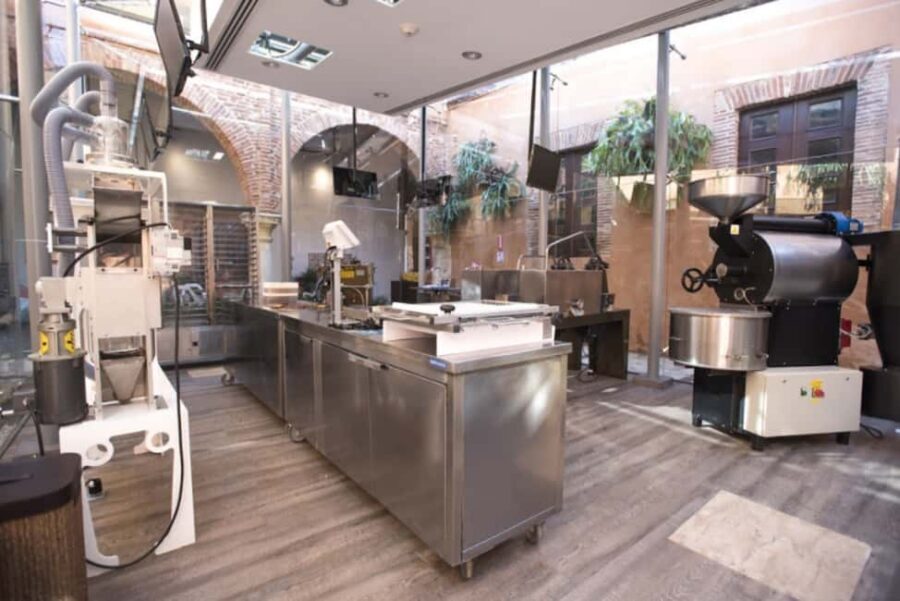
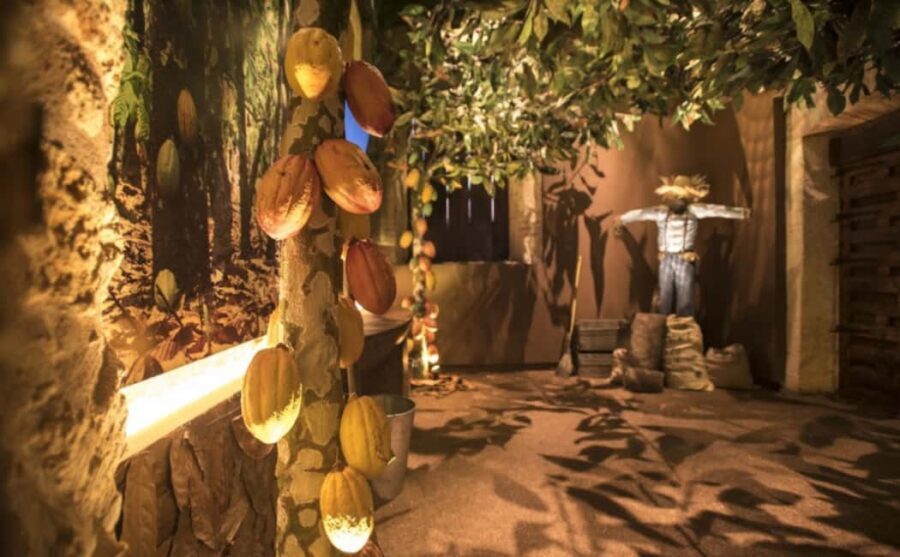
Next you move to the Cocoa Plantation room. This is where the tour shifts from story to something more physical and sensory. You’ll be able to sample cacao fruit, and the setting is designed so you feel like you’re in a real forest.
That might sound like set design, but it has a purpose. Cacao fruit is different from the beans most people picture when they think of chocolate. Getting a chance to taste the fruit helps you connect the source material to what eventually becomes chocolate.
I also like that this stop happens before the more technical rooms. You get a “taste and context” stage first, then you move toward fermentation (which can be concept-heavy). If you’re new to chocolate production, this ordering helps you stay oriented.
Possible consideration: if you’re sensitive to strong smells or want to avoid intense sensory stations, the plantation and sensory rooms might feel a little more active than you expect. The good news is you still control your pace inside the experience, and it’s all geared toward learning without needing special equipment.
Fermentation Room: Learning How Post-Harvest Work Creates Quality
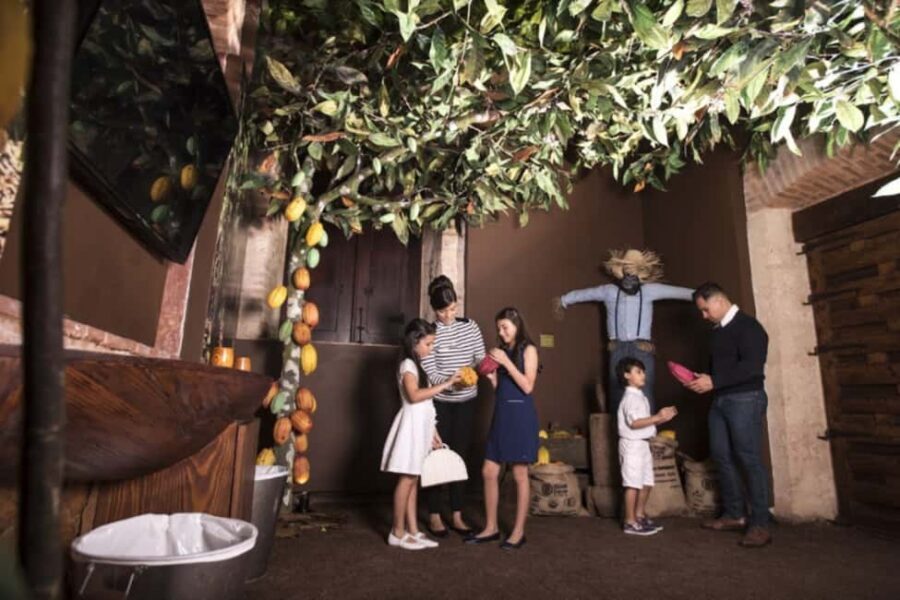
After the plantation, you’ll head to the Fermentation Room. This is where your guide shows the processes of fermentation and drying—and explains why they matter for creating quality chocolate.
Here’s why this stop is valuable. People often think chocolate flavor comes from the bean alone. This room teaches you that flavor is heavily shaped by what happens after harvesting. Fermentation is one of the biggest turning points in cacao’s journey toward chocolate.
So instead of just tasting something and moving on, you learn a key piece of the puzzle. You can connect the concept directly to your future tastings—especially when the tour later challenges you to use your senses to identify ingredients and then taste different chocolate percentages from KahKow Organic Chocolate.
If you’re a curious eater, this is one of the most meaningful parts. It turns a snack into a process you can actually explain to your travel buddy later.
Sensory Room: A 5-Senses Challenge That Ends in Tastings
The Sensory Room is where the tour turns playful. You’re challenged to use your 5 senses for each of the ingredients that make up awesome chocolate. If you guess right, you get the chance to taste different chocolate percentages of KahKow Organic Chocolate.
This is the moment where the experience stops being strictly educational and becomes personal. Smell, sight, texture, and taste all come into play, and the guide’s game format keeps you awake and paying attention.
Also, tasting different percentages is a practical way to understand what changes when sweetness and cocoa intensity shift. Even if you don’t memorize flavor notes, you’ll leave with a gut-level sense of how the chocolate changes.
A small consideration: this room works best if you’re willing to participate. If you’re hoping for a quiet, look-only tour, you might find it a bit too interactive. But if you like hands-on learning, this is a highlight.
You can also read our reviews of more tours and experiences in Santo Domingo
Glass Box on the Spanish Patio: How Factory Machines Produce the Final Product
The tour finishes in the glass box on the Spanish Patio. This is where your guide explains how all the machines in the factory work to produce the final product.
Seeing production equipment described in context is a big advantage. You’re not just hearing abstract facts—you’re getting an idea of how steps connect from beans to processed chocolate.
This stop also helps you place what you learned earlier. Fermentation and drying feed into quality. Then machinery turns the prepared cacao into the final product you’ll recognize as chocolate. You leave with the full chain of events in your mind, not just the ending result.
Even better: the tour ends right inside the production area environment. That makes it easier to transition from learning to buying if you want souvenirs. In one experience, people mentioned making chocolate and also buying products, which fits the feeling of a workshop-and-factory stop rather than a purely informational museum.
Optional Soap Workshop: Cacao Butter Formula and Your Pick of Aroma
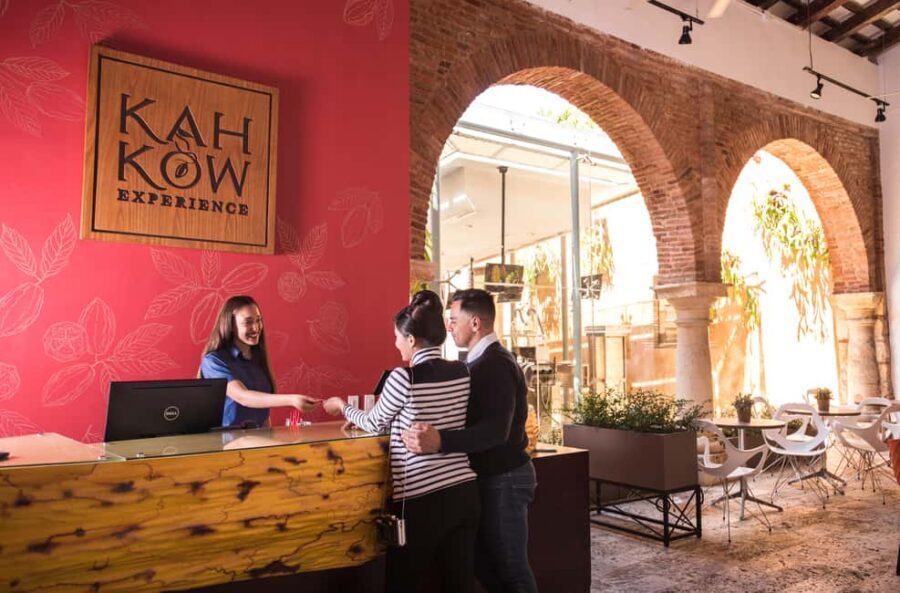
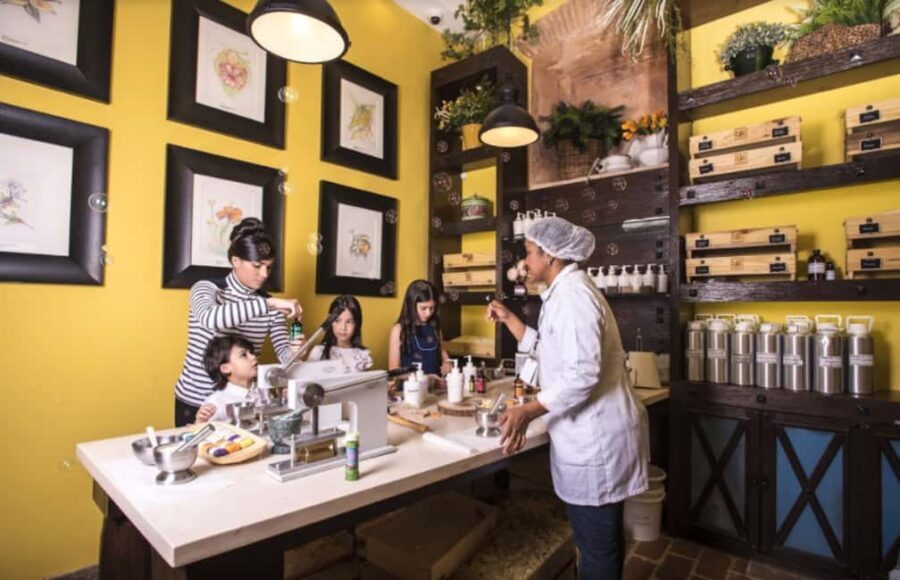
After the main tour, you can upgrade with an optional workshop. In the Soap Workshop, you learn how to make your own soap with a cacao butter formula made by the workers at La Esmeralda. You also add a special touch with your preferred aroma.
This add-on is a fun twist because it uses cacao in a different way. Chocolate is the obvious connection, but cacao butter also ties into skincare and scent, so you get a second look at cacao’s value beyond food.
It’s a good choice if you want a take-home-style souvenir that isn’t just edible. It’s also a nice option if you love experimenting with scent profiles, since you get to choose an aroma.
One practical note: the base tour doesn’t include food or drinks, and the workshop likely adds time. If you know you’ll get hungry easily, plan your day so you’re not relying on snacks inside.
Optional Chocolate Workshop: Create Your Own Chocolate Bar
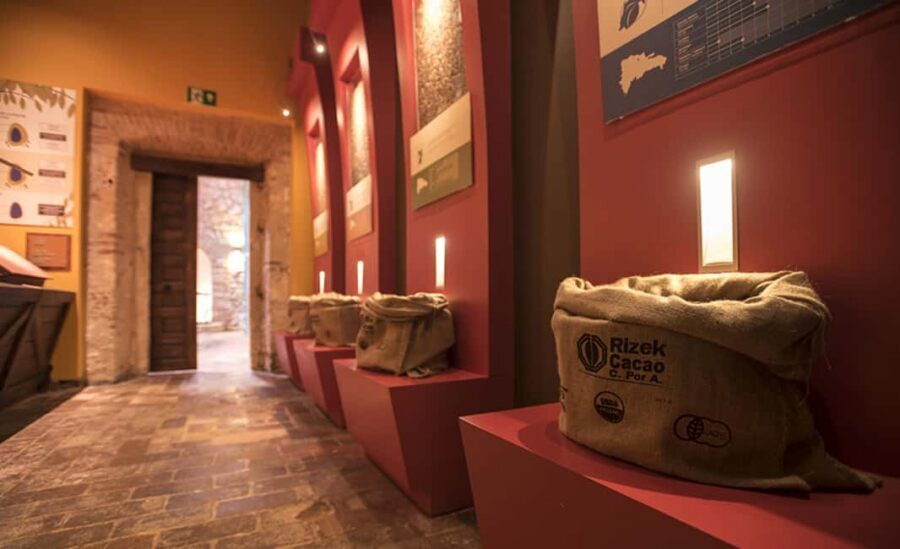
If you’d rather go edible, choose the Chocolate Workshop instead. Here, you’ll create your own chocolate bar.
This is the kind of workshop that makes the earlier tastings feel more meaningful. After you’ve learned about cacao fruit and fermentation and worked through the sensory portion, making your own bar helps you connect the concepts to a final product you actually shape.
It’s also the option that tends to satisfy the “I want something cool to show for this” instinct. In one booking, a guest mentioned they made chocolate and then bought more products, which hints at how workshop moments often lead to shopping—at least for those who enjoy bringing ingredients or finished goods home.
Price and Value: How $21 Stacks Up for a Short, Interactive Tour
At $21 per person, this tour sits in a budget-friendly lane for an experience that includes multiple stops, tastings, and an interactive story setup. What makes it feel like good value isn’t just the length—it’s what’s packed into it.
You get:
- an interactive chocolate tour through themed rooms
- cacao bean tasting as part of the experience
- and if you choose an upgrade, you can add a workshop
The tastings help you understand what you’re buying later. And the option to do a chocolate workshop (or soap workshop) means your money can turn into something you create yourself, not just information you carry around.
Still, it’s worth being honest about the trade-off. Because the tour is only 25 to 50 minutes, you’re not getting a long, full-day deep class. It’s designed for efficiency—great if you want highlights and tastings, less great if you want hours of hands-on production instruction.
If you’re visiting Santo Domingo with a tight schedule, this kind of short, structured tour is a smart use of time.
What This Tour Is Best At (and Who Might Want a Longer Experience)
I think this tour suits a few types of visitors very well:
- Families who want a guided, interactive food experience without a long commitment
- Food-curious travelers who like learning the “how” behind what they taste
- Anyone who enjoys tasting flights and wants to compare different chocolate percentages
- Travelers who like structured rooms with clear transitions instead of free-form wandering
It may not be ideal if you want deep technical training or extended time in one step of the process. Fermentation gets explained, machines get explained, and then you move on. You don’t spend hours in a single workshop unless you add the optional class.
Also, because food and drinks aren’t included, I’d treat it as a tasting experience rather than a meal replacement. If you’re hungry, eat first or plan snacks afterward.
Should You Book This KahKow Chocolate Tour in Santo Domingo?
Yes, I’d book it if you want a compact, interactive introduction to chocolate production with tastings built in. The combination of the Holographic Theater, plantation-style sampling, fermentation explanation, and the sensory 5-senses tasting challenge makes it feel like you’re learning and tasting at the same time—not just watching.
If you’re choosing between the base tour and an upgrade, your best pick depends on what you want from the experience. The soap workshop is great if you’re into cacao butter and scent. The chocolate workshop is the more direct payoff if your priority is making something edible.
Also, keep your schedule flexible. The tour starts every 11 minutes, which helps if you’re juggling other plans. And if plans change, there’s free cancellation up to 24 hours in advance, plus the option to reserve now and pay later.
FAQ
How long is the Santo Domingo chocolate tour?
The tour lasts about 25 to 50 minutes.
How much does it cost?
The price is $21 per person.
Where is the meeting point?
Meet at Kahkow Experience, Calle Las Damas 102, Santo Domingo 10210, República Dominicana.
What is included in the base experience?
The included items are the interactive chocolate tour and cacao bean tasting. A chocolate or soap workshop is included only if you choose that option.
What optional workshops can I add?
You can add either a Soap Workshop or a Chocolate Workshop.
What languages does the guide speak?
The live guide speaks English, Spanish, French, German, and Russian.
Is the tour wheelchair accessible and stroller friendly?
Yes, the tour is wheelchair accessible and stroller accessible.
What should I bring, and is food included?
Bring your passport or ID card. Food and drinks are not included.