REVIEW · DOMINICAN REPUBLIC
PADI Open Water Diver Course in Bayahibe
Book on Viator →Operated by Coral Point Diving · Bookable on Viator
Three days is fast for a new scuba skill. The PADI Open Water Diver course in Bayahibe turns the usual long ramp-up into a tight, guided path from gear setup to real water skills, with the four open-water training sessions as the payoff. I especially like that the price covers the essentials you normally end up piecing together later: instructor time, educational materials, equipment, and the certification fee. I also like the practical comfort of pickup and drop-off from Resorts in Bayahibe-Dominicus, with a small group size capped at 6.
Here’s the one thing to take seriously: you have to pass a swim test in the pool. Expect treading water for 10 minutes without touching the sides, plus a 200-yard swim, any stroke, with no time limit—so be honest about your current comfort level before you go all-in.
In This Review
- Key highlights worth knowing
- Bayahibe for your first certification: why this area makes sense
- The 3-day flow: what you’ll do each step
- Gear setup and pool basics: the skills that make you safer later
- The swim assessment: the gate you must pass
- Four open-water training sessions: what changes when you go outside
- Instructors and group size at Coral Point Diving
- Price and value: what $410 really includes (and what doesn’t)
- Timing and meeting point: the start matters more than you think
- Who should book this course in Bayahibe—and who should think twice
- Should you book this PADI Open Water course in Bayahibe?
- FAQ
- How long is the PADI Open Water Diver course in Bayahibe?
- What’s included in the price?
- Do I need to pass a swim test?
- When does the course start?
- How big is the group?
- Is cancellation free?
Key highlights worth knowing
- PADI materials, equipment, and certification fee included so your budget stays clear from day one
- Pool skill drills cover breathing, neutral buoyancy, hand signals, finning, BCD inflators/deflators, and more
- Mask and regulator problem-solving: remove/replace, clear water, and practice using a backup regulator
- Real ocean practice with four open-water training sessions where you apply most pool skills
- Small group cap of 6 means you get more attention and less waiting around
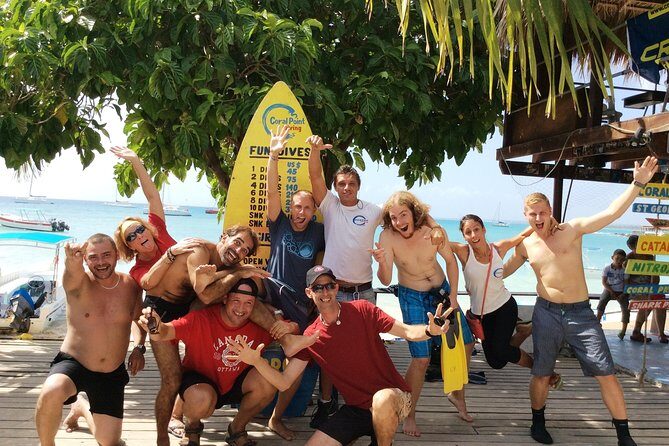
- Coral Point Diving instructors like Devyn and Elvin are noted for being professional and keeping the vibe fun
Bayahibe for your first certification: why this area makes sense
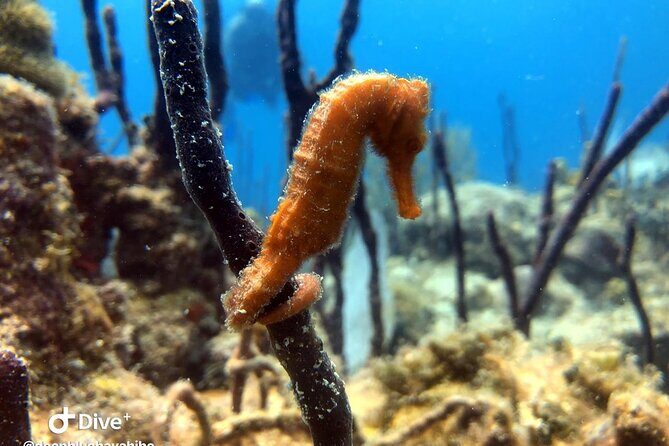
Bayahibe (near La Romana) is a smart base for a first scuba certification because the training is designed around a short, focused timeline. You’re not just getting a taste—you’re working toward a real PADI credential, which means the program has a built-in sequence: learn, practice, test, then perform those skills in open water.
I also like that the course is run with hotel pickup and drop-off from Resorts in Bayahibe-Dominicus only. That keeps logistics simple once you’re there, and it helps you spend more energy on learning and less energy on figuring out rides while you’re gear-ready.
One more practical note: this course is described as having moderate physical fitness as a requirement, and that lines up with what you actually do. Your “fitness” isn’t about running marathons—it’s about steady pool stamina and calm control.
You can also read our reviews of more tours and experiences in Dominican Republic.

The 3-day flow: what you’ll do each step
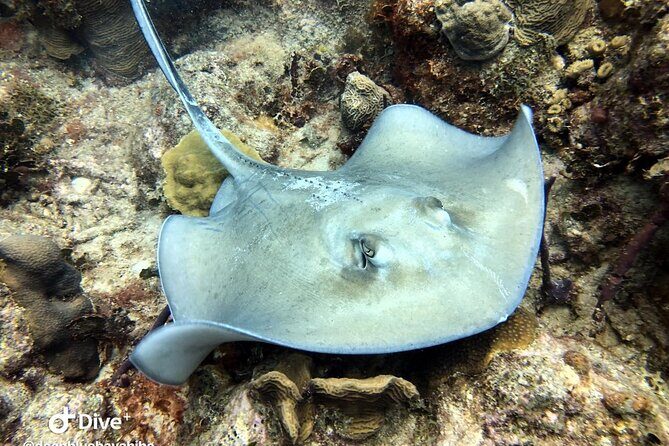
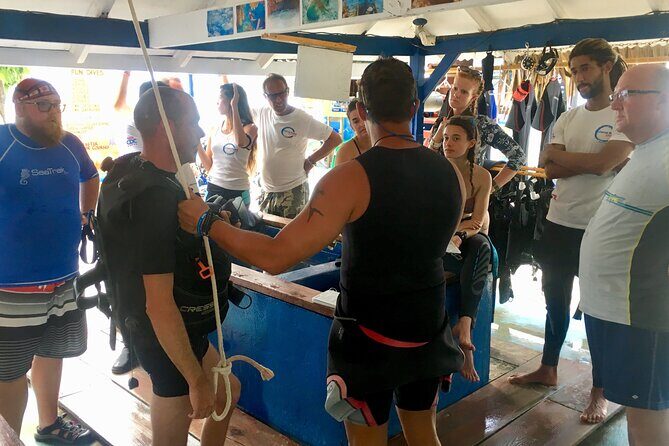
The training is set up as a mix of theory and hands-on practice. You’ll learn in a classroom-style way first, then you’ll spend your time building muscle memory in the pool. The open-water portion comes at the end as the final segment, once you’ve shown you can handle the basics with confidence.
A typical progression looks like this:
- Gear education and assembly: you’ll learn how to put your setup together correctly and how each part fits into your routine.
- Breathing on scuba: you practice using scuba gear calmly so your breathing becomes automatic, not a fight.
- Skill practice in the pool: you work on the exact techniques you’ll later use outside.
Then, you finish with four open-water training sessions, where you perform most of the skills you worked on in the pool. Depending on your course day and conditions, you might learn extra techniques too, like entering through surf or leaping off a boat while wearing scuba gear.
Because the schedule is compact, you’ll want to show up ready the first morning. A lot of first-timers lose momentum by arriving tired, under-hydrated, or anxious—then the pool feels harder than it needs to.
Gear setup and pool basics: the skills that make you safer later
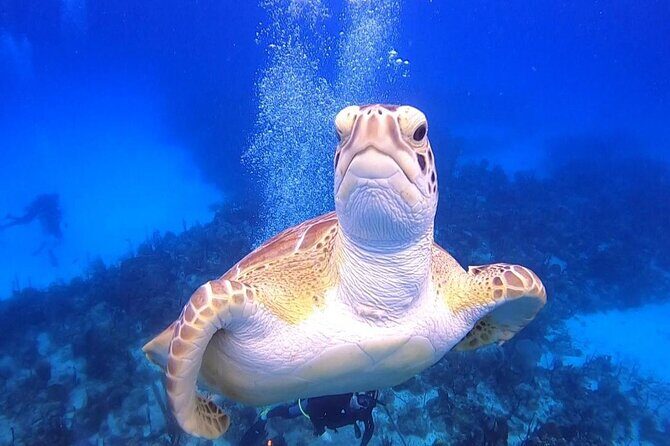
This course doesn’t treat first-time scuba as magic. It treats it as a checklist you can learn, repeat, and trust.
You’ll start with assembling your gear and then practice breathing while on scuba. That breathing step matters because it sets your rhythm. If you can stay calm and breathe smoothly, everything else becomes easier.
In the pool, you’ll practice a full set of foundational skills, including:
- proper breathing
- finding neutral buoyancy (staying level without constantly rising or sinking)
- using hand signals to communicate
- finning (different kicking techniques)
- using the BCD inflators and deflators
- equalizing while underwater
- removing your mask, putting it back on, and clearing water from it
- removing your regulator and using a backup
I like that this list is specific. It means you’re not guessing what you’ll learn. More importantly, these are the skills that reduce panic. If you’ve practiced them in a controlled pool setting, you’re less likely to freeze if something feels weird in open water.
Also, pay attention to how your instructor teaches the “why,” not just the “what.” For example, neutral buoyancy isn’t about looking cool; it’s about control, comfort, and protecting yourself from unnecessary effort.
The swim assessment: the gate you must pass
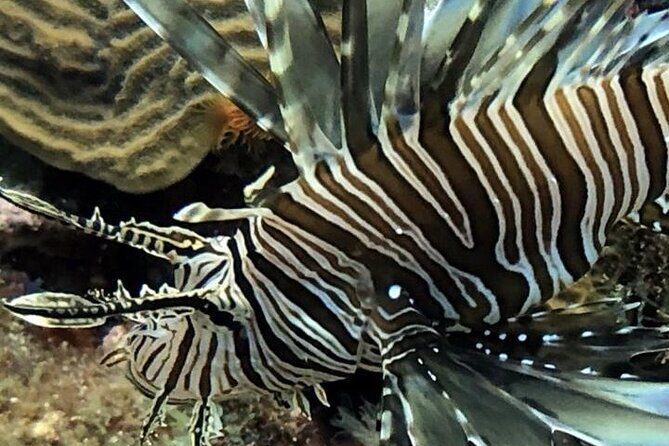
The swim test is a real line in the sand for the course, and it’s tied directly to being able to handle situations outside the pool. The requirements are clear: you must pass a swim assessment that includes:
- treading water for 10 minutes (you cannot touch the sides of the pool)
- swimming 200 yards (no time limit; you can use any swim style)
Some courses complete this segment in a single longer day over roughly 6 to 8 hours. That detail matters because it changes your energy plan. If your schedule stretches, you’ll want to fuel and hydrate like it’s a long day, not like it’s a quick swim.
If you’re nervous about the test, don’t wing it. Practicing “treading water” techniques—steady arm action, controlled breathing—can make a big difference fast. Also, if you’re not a strong swimmer, focus on form and endurance rather than speed since there’s no time limit on the 200-yard segment.
Four open-water training sessions: what changes when you go outside
Open water is where you learn to transfer skills from pool water to the real ocean environment. In this course, you’ll do four open-water training sessions where you perform most of the skills from the pool. That’s the key idea: you’re proving you can do these tasks while conditions are less controlled.
You might also get a couple new skills, depending on the day, like:
- learning how to enter the ocean through surf
- practicing how to leap off a boat in scuba gear
Those are not tiny details. Surfy entrances and boat entries change your balance, timing, and breathing rhythm. Practicing them with an instructor beside you helps you build the right habits early.
Keep your expectations realistic: your first open-water work is more about control and competence than about looking around. If you spend the first session trying to sightsee, you’ll likely miss the cues you need for buoyancy and calm communication.
Instructors and group size at Coral Point Diving
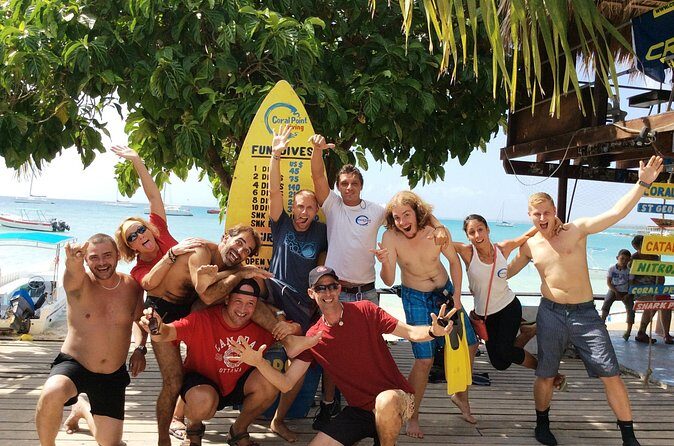
This experience is provided by Coral Point Diving, and the course runs with a maximum group size of 6 travelers. That small limit is a big deal for a first certification. Fewer people means less time waiting, more individual attention, and a better chance you’ll get quick corrections when something feels off.
The feedback also points to strong instructor professionalism—names like Devyn and Elvin come up for being knowledgeable and for keeping the atmosphere both professional and fun. I like that combination for beginner training: clear instruction, plus enough good energy that you don’t dread the next skill.
Also note that the program may be operated by a multi-lingual guide. Even if you’re comfortable in your own language, it helps to have instruction delivered in a way you can follow without confusion. For scuba skills, clarity isn’t optional—it’s the whole point.
Price and value: what $410 really includes (and what doesn’t)
At $410 per person for about three days, the value depends on what you’d otherwise pay separately. Here, you get a package that includes:
- professional instructor
- hotel pickup and drop-off from Resorts in Bayahibe-Dominicus only
- use of all equipment
- certification fee
- four open-water training sessions
- educational materials
That included certification fee is where the value usually shows up. New divers often get surprised later by add-ons when equipment rentals and certification paperwork are treated like separate purchases. This course bundles those core costs into one clear price.
What’s not included: souvenir photos (sold separately). If you’re the kind of person who hates extra upsells, you can simply plan to skip them. Or if you want them, keep a little cash or card set aside.
If you’re comparing options, I’d look at two things first: whether equipment and certification fee are included, and whether pickup is truly part of the price for your resort area. This one includes pickup/drop-off only for Resorts in Bayahibe-Dominicus, so your exact lodging location matters.
Timing and meeting point: the start matters more than you think
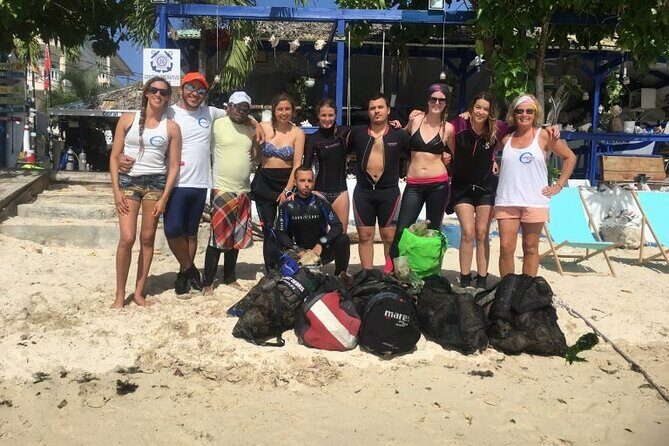
The start time is listed as 8:30 am, with the activity ending back at the meeting point. The meeting point is C. la Bahia 1, Bayahíbe 23000, Dominican Republic.
That early start matters because you want to be mentally ready before gear setup. Scuba skills require focus, and mornings tend to be when first-timers are least fatigued. If you tend to run late on vacation, build in extra buffer so you’re not stressed at the same moment you’re learning how your equipment should feel.
The course is mobile-ticketed, and you’ll receive confirmation at booking time. Plan to bring what you need for check-in so you don’t lose time during gear distribution.
Who should book this course in Bayahibe—and who should think twice
This PADI Open Water Diver course is a great fit if:
- you want a real certification, not a one-day try-it session
- you like clear structure and step-by-step skill building
- you want everything bundled: materials, equipment, and certification fee
- you prefer small groups (max 6)
- you’re staying in Bayahibe-Dominicus area so pickup/drop-off is easy
It’s a tougher fit if:
- pool endurance is your weak spot, because the test includes 10 minutes treading water
- you’re uncomfortable with any swim requirement, since you must complete the 200-yard swim
- you’re likely to panic under instruction while practicing mask/regulator skills
Service animals are allowed, and the tour is near public transportation, but pickup is tied to Resorts in Bayahibe-Dominicus. If you’re staying outside that zone, you’ll want to verify how you’ll get to the meeting point.
Should you book this PADI Open Water course in Bayahibe?
If you’re ready for a focused three-day push, I think this is an efficient way to earn your PADI Open Water Diver certification. The big win for value is that equipment and certification fee are included, and the small group size keeps the learning process from feeling rushed.
Book it if you can handle pool work with a calm mindset and you’re comfortable passing the swim test. If you’re unsure about your swimming, it might be worth doing a few practice sessions at home or in your vacation area before your course starts.
FAQ
How long is the PADI Open Water Diver course in Bayahibe?
It runs for 3 days approximately.
What’s included in the price?
The course includes a professional instructor, hotel pickup and drop-off from Resorts in Bayahibe-Dominicus only, use of all equipment, the certification fee, educational materials, and four open-water training sessions.
Do I need to pass a swim test?
Yes. You must pass a swim assessment that includes treading water for 10 minutes without touching the sides of the pool and swimming 200 yards (no time limit; any swim style).
When does the course start?
The start time is 8:30 am.
How big is the group?
The experience has a maximum of 6 travelers.
Is cancellation free?
Yes. You can cancel up to 24 hours in advance for a full refund. If you cancel less than 24 hours before the experience’s start time, the amount paid is not refunded.