REVIEW · SANTO DOMINGO
Santo Domingo: Latin dance classes: Salsa and more
Book on GetYourGuide →Operated by Saoko Experience · Bookable on GetYourGuide
Want to dance by the end of the night? This Santo Domingo class gives you a personalized introduction to salsa, bachata, and merengue in a city-center studio. You can take it solo or with your group, and pick instruction in English, Spanish, or French.
Two things I really like here are how patient the teaching feels (Alexa is especially called out for being kind and step-by-step) and how the hour doesn’t stay theoretical. You actually drill basics you can use right away. The one thing to consider is that the late-night social dancing plan runs only Wednesday through Sunday (until 1 a.m.), so your evening may be shorter on other days.
In This Review
- Key Takeaways Before You Go
- Why This 1-Hour Studio Lesson Works in Santo Domingo
- Salsa, Bachata, and Merengue: What You Actually Learn
- Daytime vs Nighttime: Studio Class, Then Real Social Dancing
- Studio class window (9 a.m. to 9 p.m.)
- Social dancing practice (starting 10 p.m.)
- One important scheduling consideration
- Where to Meet: Saoko Experience and the Colonial Zone
- Daytime studio meeting point
- Nighttime social meeting point (after 10 p.m.)
- What Makes the Teaching Feel Personalized (and Why That Matters)
- Price and Value: Is $35 Worth It?
- What to Bring, What to Expect, and Small Rules That Matter
- Who This Is Best For in Santo Domingo
- Should You Book This Salsa and Bachata Class in Santo Domingo?
- FAQ
- How long is the dance class?
- What dance styles are included?
- What languages are available for the instruction?
- Where do I meet for the daytime class?
- Where do I meet for the nighttime social dancing?
- Is the 10 p.m. activity a class?
- Is this suitable for kids or people with mobility impairments?
Key Takeaways Before You Go
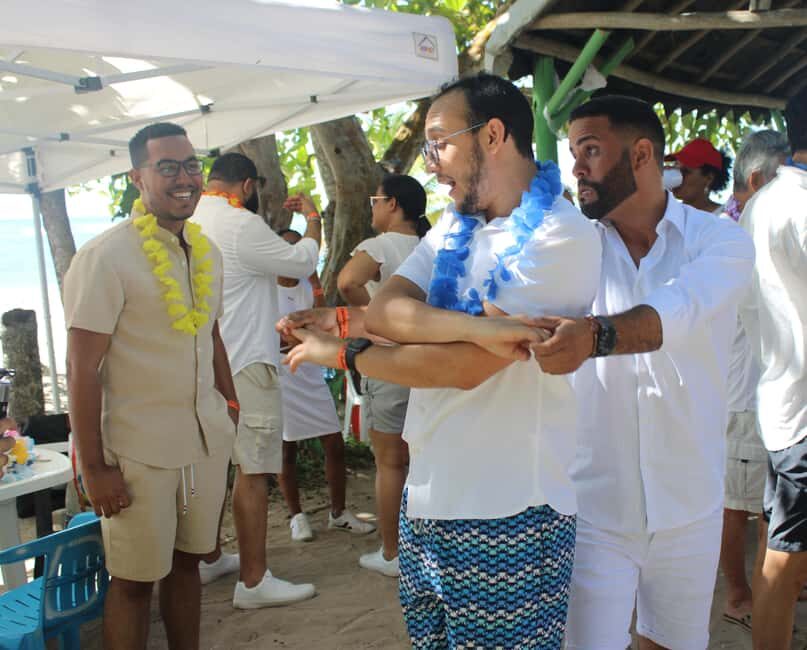
- Personalized coaching for beginner or intermediate dancers
- Salsa, bachata, and merengue basics inside one 1-hour class
- English, Spanish, or French instruction options
- Studio lesson times from 9 a.m. to 9 p.m., then social dancing starts later
- Social dancing from 10 p.m. on Wed–Sun in the Colonial Zone area, until 1 a.m.
Why This 1-Hour Studio Lesson Works in Santo Domingo
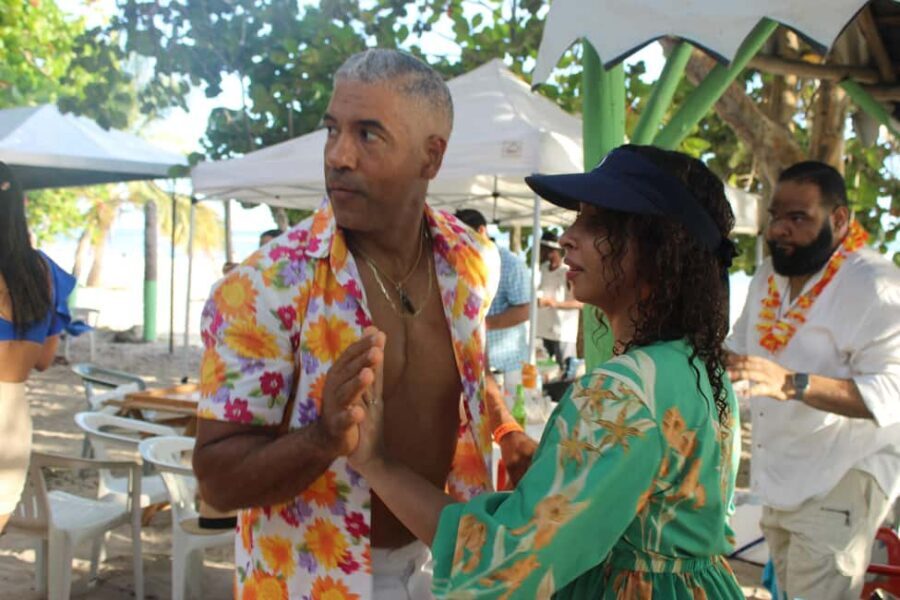
Santo Domingo can feel like a big, energetic blur, and dancing is one of the fastest ways to turn that noise into something you can actually join. This experience is built around a simple idea: you only need one focused hour to learn a few reliable steps, then you get the chance to try them in real settings later.
The setting helps. You learn in a dance studio in the middle of the city, so you’re not stuck in a quiet corner with no energy. You also avoid the common problem of “lesson overload,” where you’re taught 20 things at once and remember none of them after you leave. Here, you get basics with enough repetition to make them stick.
Another smart part is personalization. The class is described as tailored to your skill level and needs, which matters a lot when the group has mixed comfort levels. If you’re a true beginner, you shouldn’t be pressured to copy complicated patterns immediately. If you’re intermediate, you want corrections that make your movement cleaner, not just a repeat of beginner steps.
You can also read our reviews of more tours and experiences in Santo Domingo


Salsa, Bachata, and Merengue: What You Actually Learn
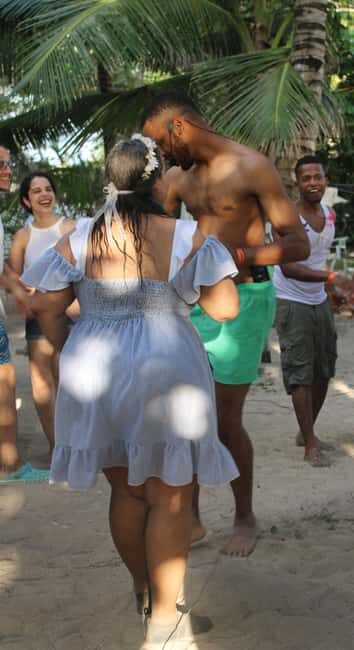
You’ll study three Dominican dance styles: salsa, bachata, and merengue. The key word is basics. You’re not being sent to memorize a long routine. Instead, you’re building the foundation you need to look comfortable even when the music speeds up.
Here’s what that typically means inside a short class:
- You learn the basic rhythm and footwork patterns that keep you in time.
- You practice core partner/dance positioning concepts when relevant, so your body knows where to go.
- You get coached on common mistakes—especially timing, weight shifts, and basic step clarity.
From the teaching style described, you can expect a calm, patient pace. Alexa is specifically mentioned as helpful and forgiving when people make mistakes, which is huge if you’re worried about looking awkward. The funniest and most useful moments in dance classes often come from being corrected early, not after you’ve practiced the wrong thing for hours.
For you, the goal is practical confidence. After the hour, you should be able to do a few basic steps with the music, not just “know the names” of moves. And since the lesson is paired with social dancing later, you get the immediate feedback loop that makes learning stick.
Daytime vs Nighttime: Studio Class, Then Real Social Dancing
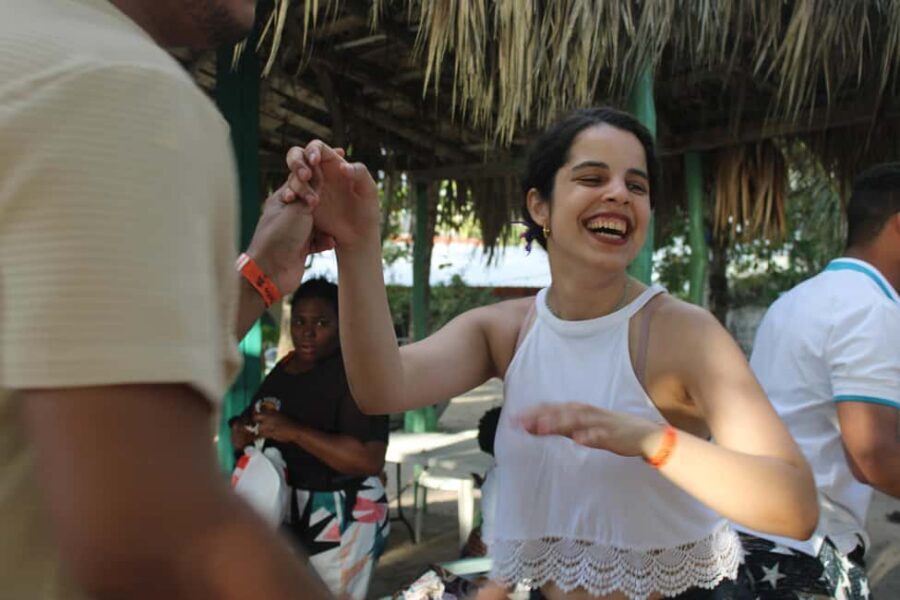
This experience has two phases in one booking: a studio class and later a social dancing portion. The timing choices are part of the strategy.
Studio class window (9 a.m. to 9 p.m.)
Daytime classes run from 9 a.m. to 5 p.m. in the dance studio. Nighttime studio classes run from 5 p.m. to 9 p.m. That means you can fit this around sightseeing, meals, or a late start in the city.
The upside of booking earlier is that you’re still fresh, and you’ll likely practice steps with better focus. The upside of booking later is that you’re in a more “party-ready” mood, especially if you plan to go out afterward.
Social dancing practice (starting 10 p.m.)
After 10 p.m., the experience shifts into something different. It’s described as social dancing, and also explicitly noted as not a class. So don’t expect corrections and step-by-step coaching once you hit the bars/clubs.
What you do get is a guided night out that includes things like live music, street music, live performance, night parties, and a dance tour element. You’ll also mingle with locals, which is where you learn the real cultural version of the steps you practiced earlier.





One important scheduling consideration
Social dancing is only available from Wednesday until Sunday, and it can run until 1 a.m. on those days. On other weekdays, you may still get the studio class, but you should not assume you’ll get the full late-night social schedule.
Where to Meet: Saoko Experience and the Colonial Zone
Getting to the right meeting spot matters more than people think, because you’ll want to arrive with time to settle in and warm up mentally.
Daytime studio meeting point
For daytime classes, you meet at Saoko Experience dance studio. It’s close to Cerveceria Nacional (Nacional beer corporation). If you’re already in that area, you’re in a good position to keep the day flexible.
Nighttime social meeting point (after 10 p.m.)
For the nighttime social dancing that starts at 10 p.m., the meeting point is the Colonial Zone (Zona Colonial) or a different place in the city. The location can vary, and the activity gives coordinates for the Colonial Zone area: 18.4449499, -69.9408854.
Practical tip: if you’re the kind of person who hates surprises, plan to check the exact meet-up location methodically right before you go out. Since it’s not the same as the studio address every time, a quick confirmation helps you avoid stress right when you’re about to dance.
What Makes the Teaching Feel Personalized (and Why That Matters)
A “dance class” can mean anything from a quick demo to a structured lesson. This one is designed around the idea that you’re not learning in a vacuum.
The instructor is described as available in English, Spanish, or French, which is a real value in a place where your Spanish might be limited. If you’re more comfortable in one language than another, you’ll learn faster because you can focus on movement, not translation.
The class is also described as working for both beginners and intermediate dancers. That usually shows up in how the teacher handles:
- pacing (slower learning for beginners, refinement for intermediate dancers)
- corrections (smaller step adjustments rather than overwhelming changes)
- encouragement (keeping you relaxed enough to try again)
That supportive vibe is not a “nice-to-have.” When you’re learning rhythm-based partner dances, stress kills coordination. The calmer the instruction, the more likely you’ll be able to match the music by the end of the hour.
And yes, the name Alexa comes up in multiple accounts, with clear praise for being patient and friendly. When an instructor is willing to laugh with you instead of at you, you learn with less fear—and that’s when your steps improve.
Price and Value: Is $35 Worth It?
At $35 per person for a 1-hour class, the value comes from what you’re getting for the time.
You’re paying for:
- a structured studio lesson focused on three dance styles
- an instructor who can teach in English, Spanish, or French
- personalization based on your level
- and, if your timing includes it, a social dancing night with live entertainment and a dance-tour vibe
The simplest way to judge the price is by what you’ll do with what you learn. If you’re just watching a routine, the cost feels higher. If you’re using the basics right away in clubs or bars, the value climbs fast.
Also, the class is built for groups. If you’re booking with friends, the price becomes even easier to justify because you’re all learning together instead of splitting into separate plans.
One more value point: this experience is in a dance studio close to major city landmarks, which makes it easier to combine with meals and sightseeing without a complicated route.
If you’re cost-sensitive, pick the time slot that best matches your energy. An earlier studio class can be great if you want learning. A later studio class paired with a full social night can be a better “one-stop evening” if you’re already planning to go out.
What to Bring, What to Expect, and Small Rules That Matter
You won’t need anything fancy for this. The basic checklist is:
- comfortable shoes
- comfortable clothes
Why shoes matter: salsa, bachata, and merengue footwork is unforgiving if you’re wearing slippery sneakers or shoes that don’t support your feet. Go comfortable.
There are also simple boundaries. Smoking is not allowed.
One practical note: the activity is marked wheelchair accessible, but it also states it’s not suitable for people with mobility impairments. That contradiction means you should treat it as a “confirm with the provider” situation. If mobility affects your ability to dance or stand for the class, ask directly what accommodations (if any) are realistic for you.
Finally, children under 12 aren’t listed as suitable, so this is best for adults and older teens.
Who This Is Best For in Santo Domingo
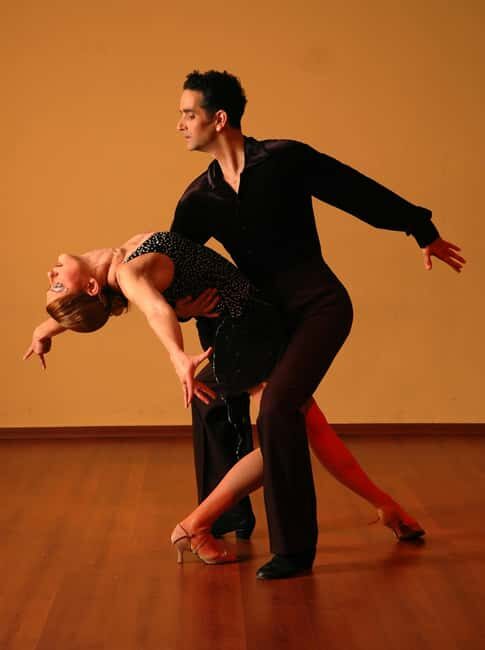
This experience fits you best if you want a mix of structure and fun.
You’ll likely love it if:
- you want to learn the basics of salsa, bachata, and merengue instead of only watching
- you prefer coaching in a language you’re comfortable with
- you enjoy trying what you learn in the same night
It’s also a good choice for couples. Learning together can turn awkwardness into comedy, and the accounts of laughing while fixing mistakes suggest it’s an environment where that’s normal.
You might choose another activity instead if:
- you’re looking for a long choreography session (this is a 1-hour class)
- you’re traveling on Monday, Tuesday, or Thursday nights and want the late social scene (social dancing is listed as Wed–Sun)
Should You Book This Salsa and Bachata Class in Santo Domingo?
I’d book it if your goal is simple: leave with usable steps and a plan for a fun night out. The combination of a focused 1-hour studio lesson plus a social dancing portion makes this more than just a “try it once” memory.
Book it especially if:
- you’re a beginner and want patient teaching (Alexa gets specific praise for that)
- you want instruction in English, Spanish, or French
- you’re going Wednesday through Sunday and can catch the social dancing until 1 a.m.
Skip or reconsider if you need a predictable nightly schedule every day, because the late social dancing availability is tied to the Wednesday–Sunday window. Also, if mobility is a concern for you, ask the provider directly how they handle accessibility in practice.
FAQ
How long is the dance class?
The class is 1 hour.
What dance styles are included?
You’ll learn salsa, bachata, and merengue.
What languages are available for the instruction?
Classes are available in English, Spanish, or French.
Where do I meet for the daytime class?
For daytime classes, the meeting point is Saoko Experience dance studio near Cerveceria Nacional.
Where do I meet for the nighttime social dancing?
For social dancing starting at 10 p.m., the meeting point is the Colonial Zone (Zona Colonial) or another place in the city. The activity lists coordinates for the Colonial Zone area: 18.4449499, -69.9408854.
Is the 10 p.m. activity a class?
No. The nighttime part is described as social dancing, not a class.
Is this suitable for kids or people with mobility impairments?
It’s not suitable for children under 12. It’s also listed as not suitable for people with mobility impairments, even though it is marked wheelchair accessible, so you should confirm details with the provider if mobility is part of your needs.