REVIEW · SANTO DOMINGO
History of Slavery Guided Tour
Book on GetYourGuide →Operated by Caribbean Tours · Bookable on GetYourGuide
Sugar, faith, and resistance in one day. This tour ties together Santo Domingo’s Old Town and the economics of rum and sugar, showing how enslaved labor shaped colonial life through places you can see and stories you can follow.
I especially love the way it stays human-scale, with a small group limited to 6 and a guide like Jose who explains clearly and keeps the pace manageable. I also like that you don’t stop at a museum; you get practical context at the Rum Museum and then move out to the surviving sugar-factory structures where enslaved work powered the system.
One drawback to plan for: it’s not gentle. There’s real walking in Old Town and at historic sites, and the tour isn’t suitable for wheelchair users or people with mobility impairments.
In This Review
- Key highlights you’ll remember
- A religion-and-rum story you can walk through
- Getting from Zona Colonial to the sugar sites (and why it matters)
- Ingenio Boca de Nigua: where sugar power and resistance intersect
- San Cristóbal Province: antique sugar factories and a hydroelectric twist
- Ciudad Colonial’s slave-market streets and wall paintings
- Rum Museum: tools, sugar factories, and the mechanics of labor
- Banana-leaf lunch and the Dominican comfort-food lesson
- Small-group value at $190: what you’re really paying for
- What to bring, and how to avoid a miserable day
- Who this tour is best for
- Should you book it?
- FAQ
- How long is the History of Slavery Guided Tour?
- What time does the tour run?
- Where is pickup located?
- What’s included in the ticket price?
- How big is the group, and what languages are offered?
- Is the tour suitable for people with mobility impairments or wheelchair users?
- What lunch is included?
- FAQ
- Can I cancel for a refund or pay later?
Key highlights you’ll remember
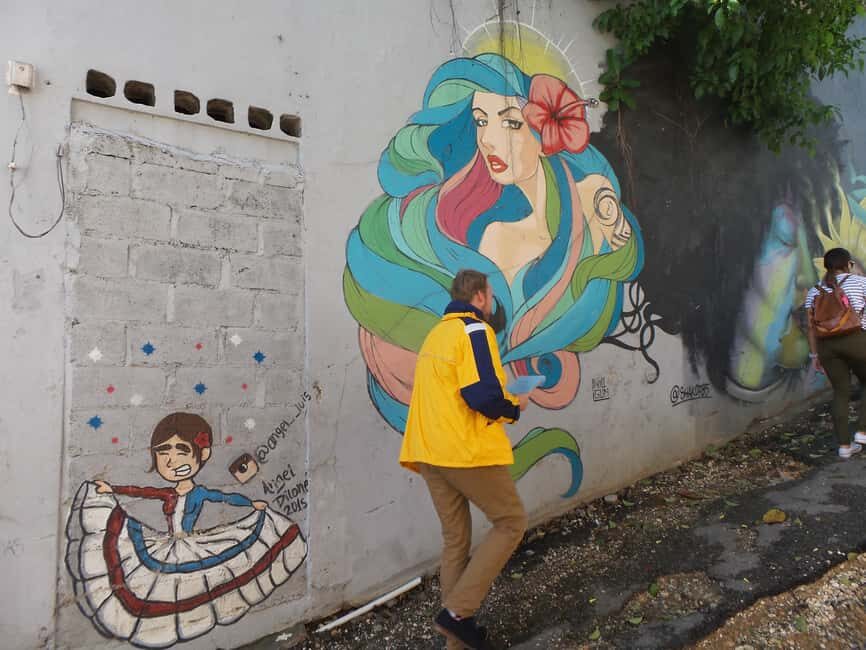
- Old Town wall paintings tied to slavery and religious syncretism
- Rum Museum lessons on the tools used in sugar work
- Ingenio Boca de Nigua ruins linked to the first uprising in the Americas
- San Cristóbal sugar-factory area including an early hydroelectric setup
- Banana-leaf Dominican lunch with meat-stuffed dough plus a drink
- Jose and Daniel: clear guidance and smooth driving with a small group feel
A religion-and-rum story you can walk through
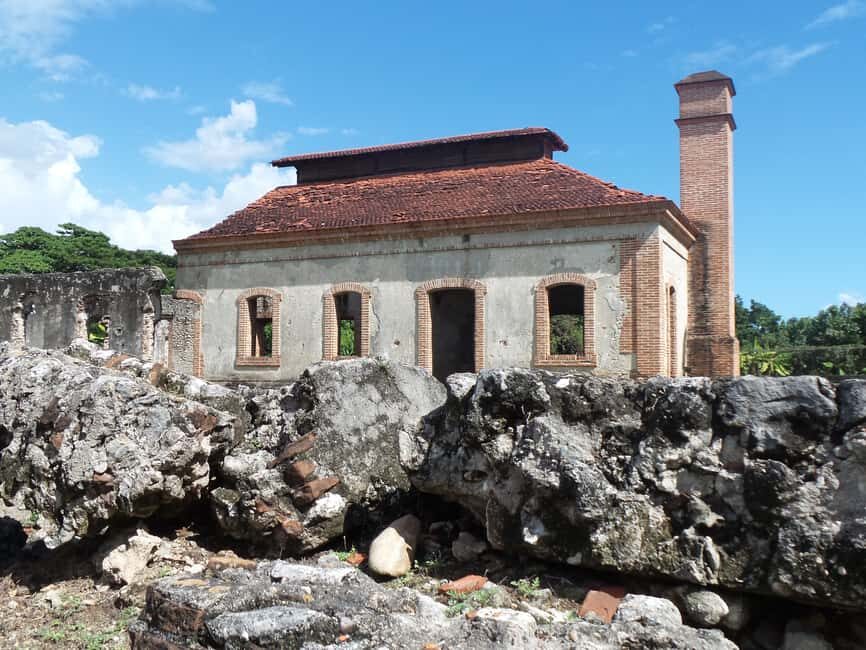
This is a history tour that treats the past like something you can locate on a street corner. Santo Domingo’s colonial-era story isn’t only about politics or dates. It’s also about daily labor, belief systems, and how whole communities adapted under brutal conditions.
What makes this tour interesting is the pairing of themes. You’ll connect slavery to the sugar economy, then to rum production, and then to the visual culture still visible in the Old Town. It’s one long cause-and-effect chain, not a list of facts.
I also like that the tour doesn’t try to soften the subject. The goal is context: you should leave understanding how the machinery of sugar and rum depended on enslaved labor, and how enslaved people resisted.
You can also read our reviews of more guided tours in Santo Domingo

Getting from Zona Colonial to the sugar sites (and why it matters)
You start in Zona Colonial in the Old City District, and you’ll be picked up there. The drive to the first major historic stop takes about 45 minutes by coach, so it doesn’t feel like you’re only walking in circles.
That transfer is practical for two reasons. First, it saves your energy for the walking portions that matter. Second, it helps you see that slavery’s impact wasn’t confined to one neighborhood; it reached out into the sugar-producing countryside.
The group stays small, up to 6 participants, which changes the vibe. It’s easier to ask questions, and you’re less likely to get lost in the shuffle. A smooth driver also helps. In this case, Daniel’s part of the day is real, because you’re on the road enough that the driving experience affects your energy.
Ingenio Boca de Nigua: where sugar power and resistance intersect
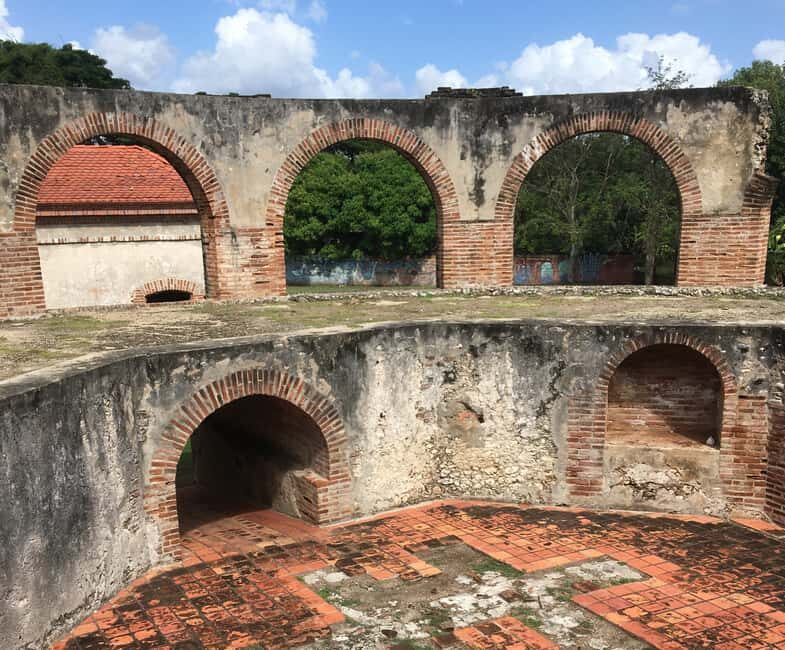
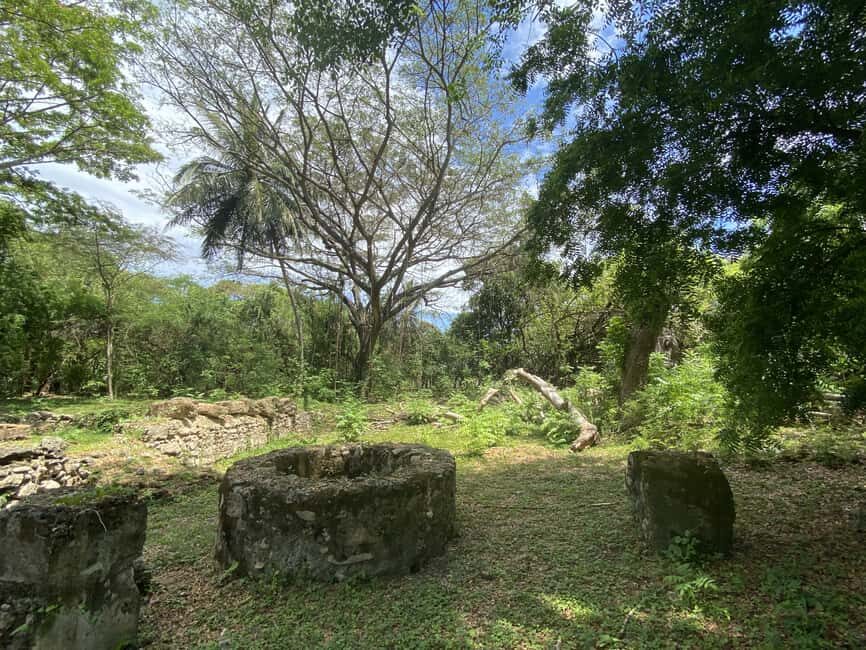
Ingenio Boca de Nigua is where the story gets physical. You’ll stop for photos, then get a visit and a guided tour, plus a walk of about 30 minutes around the ruins and preserved structures. This is where you start to understand the scale of the sugar operation.
The tour’s focus here is straightforward: sugar processing and rum production depended on enslaved labor, and the site helps you visualize how the system worked. You’ll also hear why this location is historically significant, including the claim that the first uprising of enslaved people in the Americas took place here, and that it connects to the first slave revolution in the Caribbean.
Pay attention to how the guide connects labor to technology. The tour emphasizes that production ran on the power of oxen and, above all, on enslaved workers. That detail helps you move beyond the idea of slavery as only an abstract injustice. You can see the infrastructure that made it profitable.
Practical note: even a 30-minute walk at ruins can feel longer in strong sun. Wear closed-toe shoes you can trust, and don’t underestimate hydration.
San Cristóbal Province: antique sugar factories and a hydroelectric twist
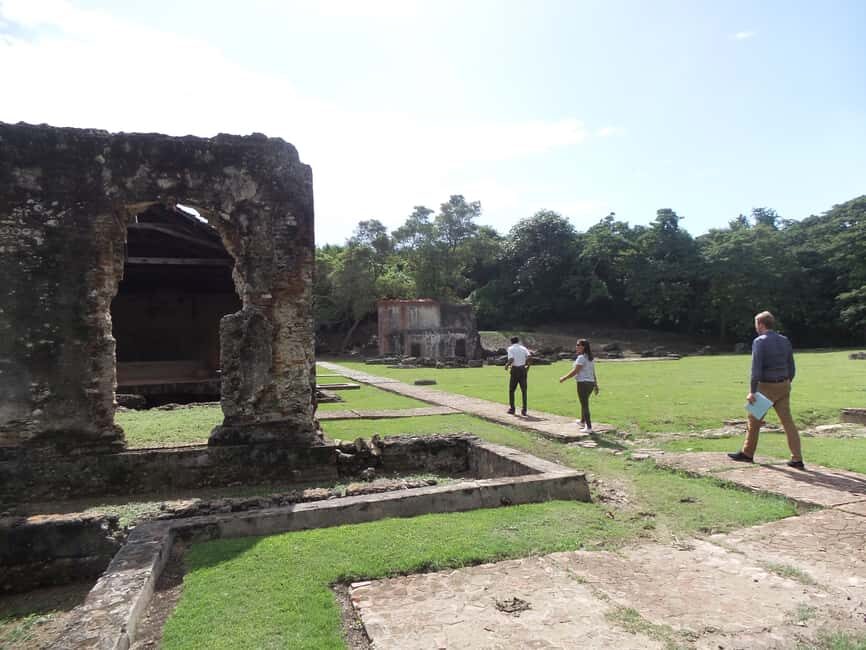
After the first historic stop, you head west toward San Cristóbal Province, with a shorter coach transfer. In this area, you get street-food time and a guided sightseeing tour for about 40 minutes, before you continue the day.
This part is valuable because it shows continuity. You’re not just looking at one “old” sugar site; you’re seeing how sugar production shaped an entire region. The tour highlights well-preserved structures of antique sugar factories, helping you picture what the work environment might have looked like.
Then comes a detail that’s easy to miss in many history tours: you’ll visit the first hydroelectric sugar factory. Even if you don’t know anything about industrial history, you’ll understand the point quickly. Technology didn’t replace exploitation; it often intensified production. In other words, systems adapted while the human cost stayed enormous.
If you want street-food, this is where you’ll have the chance. The tour calls it street food, but it doesn’t specify exact items, so go with what looks fresh and what the guide points out as appropriate. Keep it simple. Your lunch later will be more substantial.
Ciudad Colonial’s slave-market streets and wall paintings
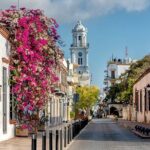
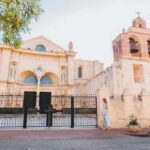
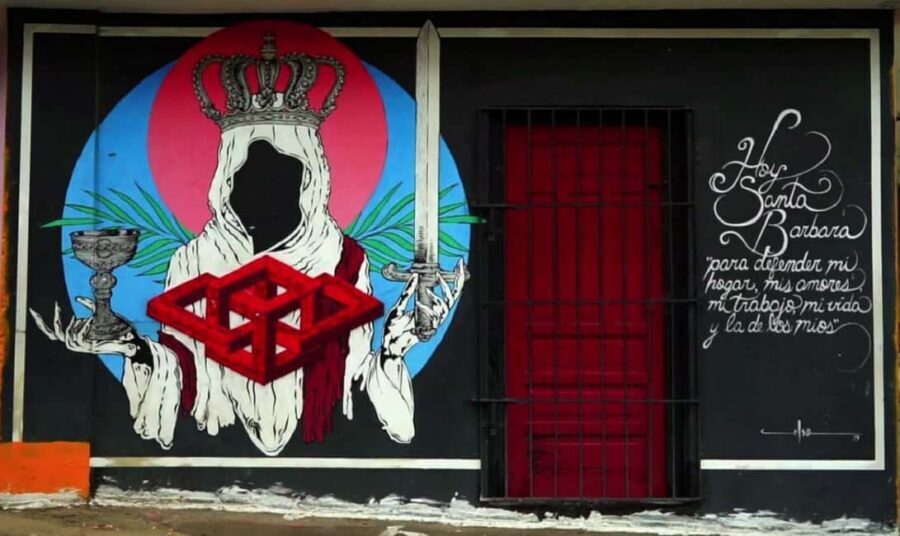
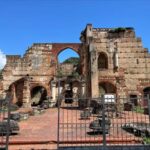
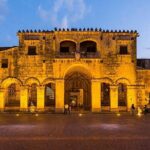
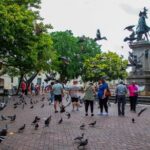
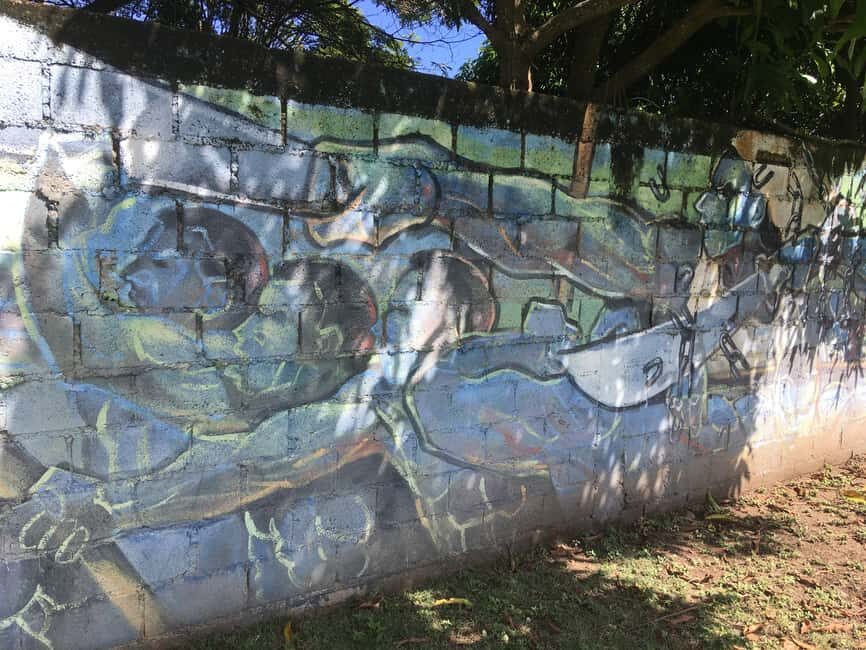
The afternoon shift in Ciudad Colonial is where the tour becomes visual. You’ll have a photo stop, then a guided walk through Old Town, about 1 hour, and you’ll spend time among alleys where wall paintings still refer to slavery’s historical and cultural aspects.
One of the most compelling threads here is religious syncretism—the blending of belief practices under colonial conditions. The wall art is presented as a way the community carried meaning through hardship. You’re not only looking at decoration; you’re reading local symbols and cultural memory in paint.
This part works because the guide ties the artwork back to the people and power relationships behind it. You’ll get historical insights about how slavery functioned during the colonial period, and the paintings help anchor those insights in place.
Timing matters, too. Old Town walking is best done slowly. If you try to “power through,” you’ll miss the details the guide wants you to notice. I recommend you keep your camera ready but don’t treat photos like a chore. Let the story set the pace.
You can also read our reviews of more historical tours in Santo Domingo

Rum Museum: tools, sugar factories, and the mechanics of labor
The Rum Museum is where the tour gets especially practical. You’ll learn about the tools slaves used in the sugar factories, and you’ll connect that to the broader process of sugar and rum production.
Museums can sometimes feel like they’re talking at you. Here, the guide-led format helps the information land. Instead of only seeing equipment, you get explanations that connect tools to daily labor and working conditions during the colonial era.
What I like about this stop is that it bridges two worlds. One world is historical suffering and social control. The other is manufacturing—physical processes, production flow, and the machinery required to turn sugar into rum.
Even if you’re not a “museum person,” you’ll probably appreciate this because it’s not purely decorative history. It’s about how a working system was built and maintained, and how enslaved people were essential to its output.
Banana-leaf lunch and the Dominican comfort-food lesson
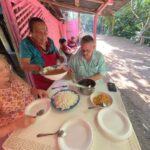
Lunch is included, and it’s not a sad “tour sandwich” situation. You’ll eat at a typical Dominican restaurant, with one drink included, and you’ll try a specialty made from dough stuffed with meat and steamed in banana leaves.
This is one of those moments where food does what history textbooks can’t. It gives your body a break while your mind is still processing heavy themes. The banana-leaf steaming also means the dish tends to feel hearty and filling, which helps after hours of walking and site viewing.
If you’re the type who loves food as context, this lunch is a good fit. You’re learning the colonial-era story around sugar and rum, and then you get a Dominican dish that reflects local ingredients and cooking techniques. It’s a reminder that culture doesn’t only survive through art on walls—it survives through what people cook and share.
Small-group value at $190: what you’re really paying for
At $190 per person for about 6 to 7 hours, you’re paying for more than a guide and a vehicle. You’re buying structure: transport, entry access, and a full day of coordinated stops that would be hard to replicate without serious planning.
The tour includes:
- Transport
- Entry to the Rum Museum
- Entry to the ruins in Boca de Nigua
- Lunch (including 1 drink)
- A local tour guide
When I look at value, I think about effort. This is the kind of day where a DIY version can turn into wasted time—finding the right sites, figuring out access, and missing the historical links that make the tour click. Here, those links are part of the package.
The small group limit of 6 participants also matters. It’s a history tour with sensitive content, and having space to ask questions without feeling rushed makes the experience more useful.
What to bring, and how to avoid a miserable day
This is a practical tour that’s outdoors for real parts of the day. Bring:
- Comfortable shoes (closed-toe)
- Sunscreen, sunglasses, and a sun hat
- A camera, since the tour includes photo stops and wall-art viewing
Avoid anything that slows you down. High heels aren’t allowed. Bare feet aren’t allowed either. If you’re thinking of sandals, rethink it; the safest choice is shoes you can walk confidently in.
There are also behavior and safety rules. Pets and drones are not allowed, and alcohol and drugs are not permitted during the tour. Party groups aren’t a fit for this kind of day, and unaccompanied minors aren’t allowed.
One more thing: the tour starts at 9:00 AM. That early start means you’ll want breakfast done and water ready before pickup.
Who this tour is best for
This tour is a strong match if you:
- Want history that connects big themes to specific locations in Santo Domingo
- Like guided explanations tied to art, architecture, and museum objects
- Enjoy food as part of the experience, not just an afterthought
It may not be your best choice if you:
- Have mobility limitations or need wheelchair access, because the tour is not suitable for wheelchair users and people with mobility impairments
- Prefer very short, low-walking activities, since you’ll walk in multiple parts of the day
It’s also not aimed at “party sightseeing.” The content is serious, and the format is built for learning.
Should you book it?
I’d book this tour if you want a day that links slavery history to the physical systems behind sugar and rum. The combination of Old Town wall paintings, the Rum Museum, and the Boca de Nigua ruins makes the story feel grounded instead of theoretical. Plus, the small group limit and the guide quality you’ll get from someone like Jose (with Daniel handling the driving) help the day stay organized and respectful.
If your priority is only light entertainment, you might feel the weight of the subject. But if your priority is understanding Santo Domingo in a more complete way, this is a solid choice.
FAQ
How long is the History of Slavery Guided Tour?
The duration is listed as 390 minutes, which is about 6 to 7 hours.
What time does the tour run?
The tour begins at 9:00 AM and ends sometime between 3:00 PM and 4:00 PM.
Where is pickup located?
Pickup is included in the Old City District of Santo Domingo, in Zona Colonial. Pickup outside that area may cost extra.
What’s included in the ticket price?
Your price includes transport, entry to the Rum Museum, entry to the ruins in Boca de Nigua, lunch (including 1 drink), and a local tour guide.
How big is the group, and what languages are offered?
The group is limited to 6 participants. The tour guide offers live interpretation in English, German, and Spanish.
Is the tour suitable for people with mobility impairments or wheelchair users?
No. The tour is not suitable for people with mobility impairments or wheelchair users.
What lunch is included?
Lunch is a Dominican specialty made with dough stuffed with meat and steamed in banana leaves, and you’ll receive 1 drink with it.
FAQ
Can I cancel for a refund or pay later?
You can cancel up to 24 hours in advance for a full refund. You can also reserve now and pay later.