REVIEW · SANTO DOMINGO
Dominican Republic: 3-Hour Chocolate Lovers Tour
Book on GetYourGuide →Operated by Kahkow Experience · Bookable on GetYourGuide
Chocolate and plants in the same morning is a nice combo. This Dominican Republic 3-hour chocolate lovers tour takes you through cacao growing, fermentation, and tasting in a way that feels hands-on and very practical.
I like two things most: you get to sow your own cacao plant, and the guide walks you through what makes chocolate taste good instead of just offering samples. You’ll also stop at a cacao plantation and a chocolate-making process area, then finish with a tasting that teaches you how to use your senses.
One thing to consider: the advertised time is 3 hours, but one past booking noted it can run closer to about 2 hours 30 minutes. Build in a little buffer so you’re not rushed, especially if you’re juggling other plans.
In This Review
- Key highlights worth putting on your map
- 1) Chocolate in 3 hours: what this Dominican Republic tour covers
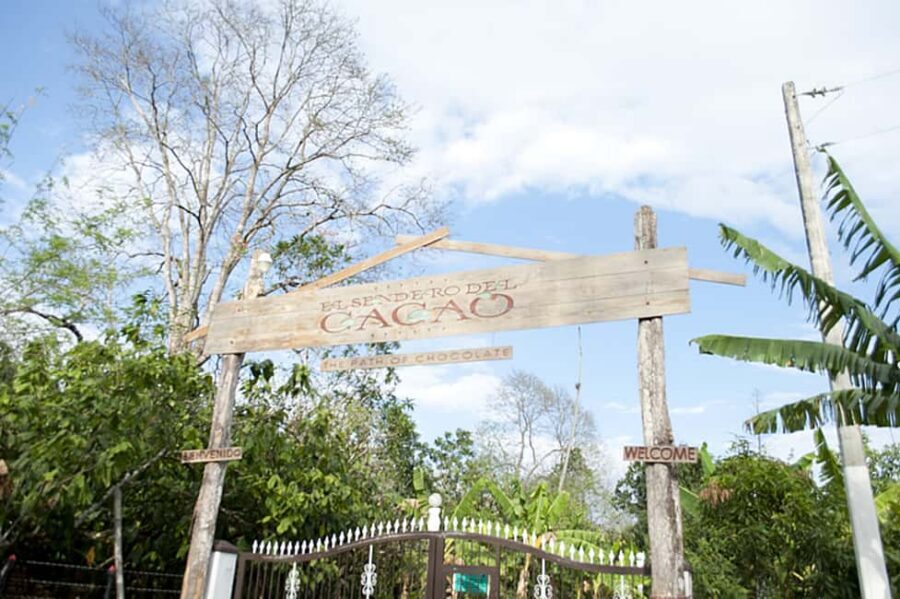
- 2) Meeting at El Sendero del Cacao: where the tour starts
- 3) Organic cacao plantation visit: planting your own cacao
- 4) Follow your sense of smell to the chocolate factory
- 5) Lunch and Dominican culture: food while the lesson stays on
- 6) Chocolate tasting with five senses: how to taste like you mean it
- 7) Second plantation stop: small-scale automated processing and more fermentation lessons
- 8) Price and value: is $83 per person worth it?
- 9) Timing, duration, and how to plan your day
- 10) Who this tour fits best (and who might not love it)
- 11) Should you book this Dominican cacao chocolate lovers tour?
- FAQ
- How long is the Dominican Republic Chocolate Lovers Tour?
- Where does the tour meet?
- What languages is the live guide available in?
- What’s included in the price?
- What isn’t included?
- What should I bring?
- Is the tour wheelchair accessible?
- What are the booking and cancellation options?
Key highlights worth putting on your map
- Sow your own cacao plant and leave with a small piece of the experience
- Plantation tour plus expert guidance on harvest, pod breaking, and extraction
- Fermentation and drying focus—the steps that make or break quality chocolate
- Chocolate tasting with five senses so you can taste with confidence
- A second plantation stop to see more automated cacao processing at a small scale
- Lunch included, plus a playful way to learn Dominican culture
1) Chocolate in 3 hours: what this Dominican Republic tour covers
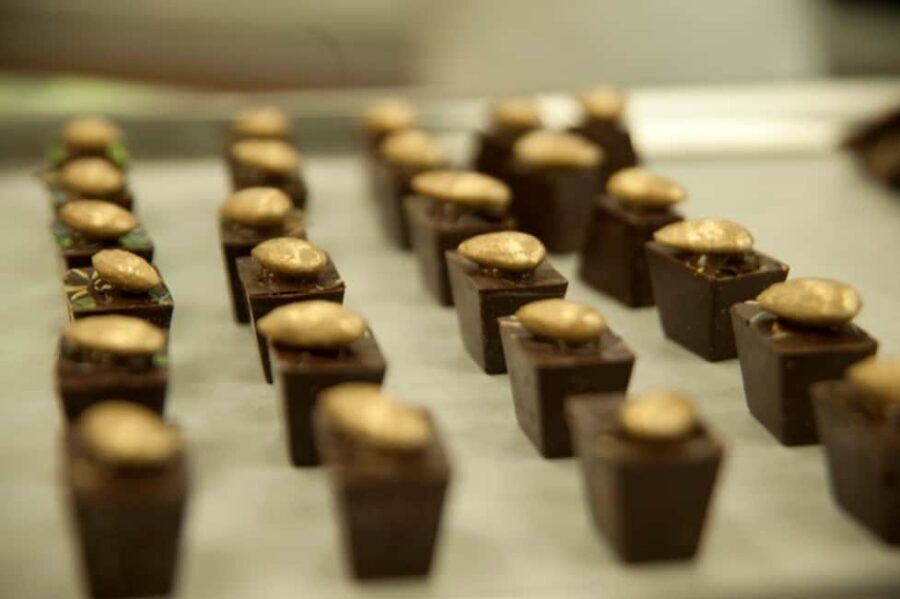
This is a compact, education-first Dominican Republic chocolate tour aimed at people who want to understand cacao—not just eat it. The whole idea is that great chocolate starts long before a bar ever hits your hand.
The tour is timed at about 3 hours, and that matters because you’ll move through a lot of stages: cacao growing, the steps around fermentation and drying, a guided walk through the chocolate process, and then a tasting. You should expect a structured experience, not a slow stroll.
You’re also not doing this in isolation. It’s described as a guided tour with added information from chocolate experts, so you’re getting “why this matters” along the way. And because it includes hot chocolate and lunch, you won’t spend the middle of the session hunting for food.
You can also read our reviews of more tours and experiences in Santo Domingo

2) Meeting at El Sendero del Cacao: where the tour starts
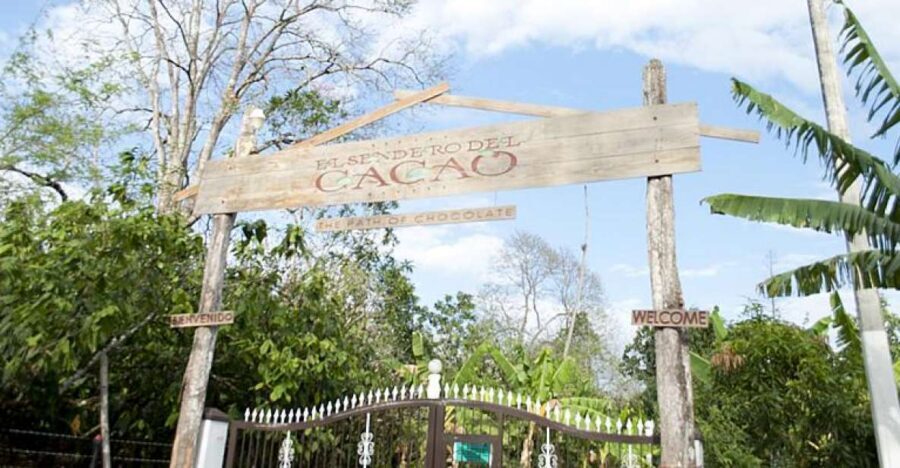
Your meeting point is El Sendero del Cacao, Duarte, 31000, Dominican Republic. That’s a real advantage because it anchors you in the cacao world right away, instead of beginning with a long transfer and then “catching up” later.
You’ll want comfortable shoes and comfortable clothes. The activities center on plantation areas, and even if the walking isn’t extreme, you’ll likely want footwear that can handle uneven ground. If you’re sensitive to heat, dress light but not flimsy—plants and sun are part of the deal here.
The tour is also listed as wheelchair accessible, which is good to know upfront. You’ll still want to confirm how walking segments are handled for your specific mobility needs, but the accessibility is clearly part of the planning.
3) Organic cacao plantation visit: planting your own cacao
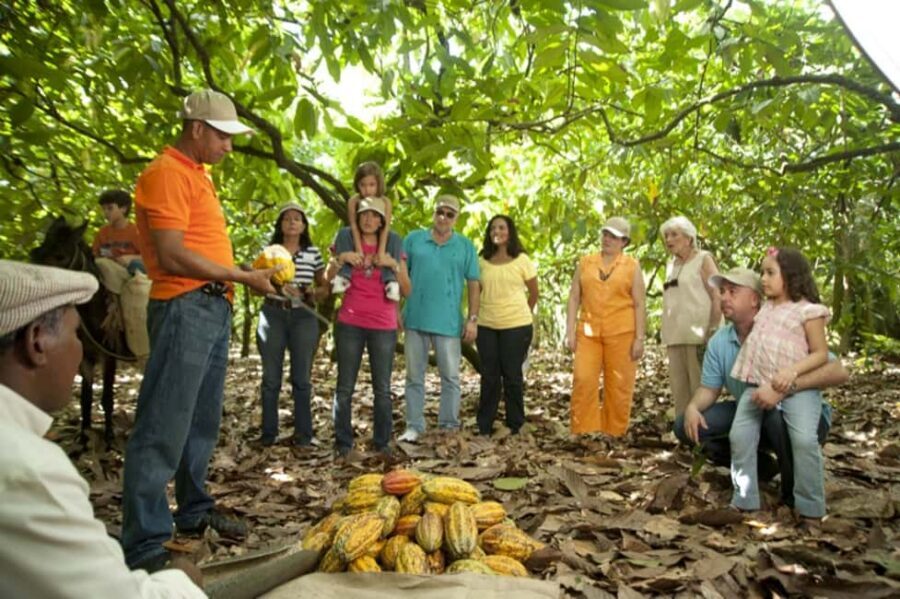
The first big hit is the organic cacao plantation visit, where you learn the “secrets behind quality chocolate.” You’re not just looking at trees and taking pictures—you’re being taught how cacao becomes fine chocolate through choices made during growing and post-harvest steps.
The hands-on moment is sowing your own cacao plant. That’s the kind of activity that turns a food tour into a memory you can feel. Even without doing the full agricultural work, you’ll walk away with a stronger sense of how patient cacao farming is.
As you move through the plantation, the guide also covers the sequence that supports quality cacao: it starts with sowing, then goes into harvest basics like cutting and extracting the grains from cacao pods. This is useful even if you never plan to farm—the process explains why different chocolates taste different.
Why this part matters: most chocolate tastings ignore where flavor begins. Here, you start at the source, so when you later smell and taste chocolate, you’re connecting flavor to steps like fermentation.
4) Follow your sense of smell to the chocolate factory
After the plantation learning, the tour shifts toward the chocolate-making process. One of the more unusual aspects is that you’re guided to the chocolate factory by your sense of smell. That’s not random—it nudges you to pay attention to aromas as a form of learning, not just a pleasant bonus.
At this stage, the focus is on the final process of making chocolate and understanding what’s happening to the cacao along the way. You’ll also keep circling back to why certain steps matter—especially the post-harvest steps like fermentation and drying, which are repeatedly described as determining factors for quality.
If you’re a sensory learner, you’ll probably appreciate this structure. Smell can be a faster pathway to understanding than reading a list of steps. And it sets you up nicely for the tasting later.
Practical tip: if you’re sensitive to strong smells, be aware that cacao fermentation and processing can have distinct odors. It’s part of the process, not a sign something’s wrong.
5) Lunch and Dominican culture: food while the lesson stays on
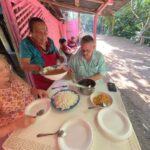
You get an excellent local lunch during the tour. The key thing is timing: you eat after you’ve already built some context about cacao, so lunch doesn’t feel like an interruption. It feels like a real-world pause between lessons.
The tour also mentions learning Dominican culture in a fun way. While the exact activities beyond cacao aren’t spelled out, the structure implies you’re learning through the plantation and food experience, not through a lecture. For many people, that’s the most enjoyable way to understand a place—you see what locals depend on and eat.
Value angle: lunch is included, and that’s a meaningful part of the price. If you’ve ever done food tours where you’re constantly buying snacks on the side, you’ll appreciate that this one covers a proper meal.

6) Chocolate tasting with five senses: how to taste like you mean it
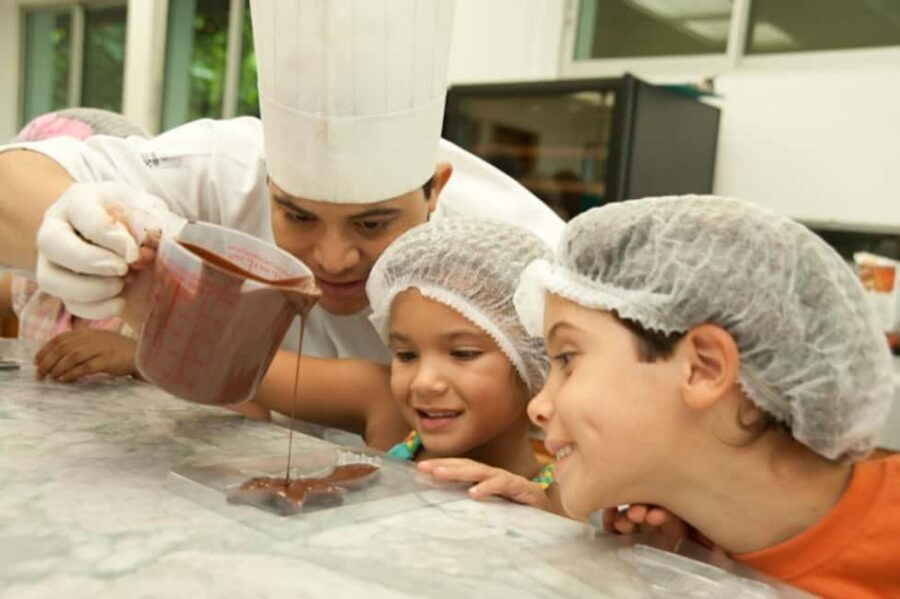
After lunch, you’ll attend a chocolate tasting session focused on using your five senses. This isn’t just tasting chocolate; it’s learning how to do it. The practical outcome is that you’ll know what to pay attention to—smell, texture, aroma as it warms, and flavors that show up at different moments.
This format helps you avoid the common problem: tasting where everyone says it’s good, but nobody knows why. Here, you’re being taught a method, which means your enjoyment gets more specific. You’ll also be better able to compare chocolates you try later on your own.
And because earlier parts of the tour emphasized fermentation and drying, you’ll have a logical “cause and effect” story. Those fermentation and drying steps shape flavor development, so when you taste, you’re tasting the results of earlier work.
Small caution: if you’re expecting a tasting where every person gets huge portions, don’t. This is described as an educational session, so it will likely be guided and paced rather than nonstop sampling.
7) Second plantation stop: small-scale automated processing and more fermentation lessons
Toward the end, you visit another plantation. This stop is described as showing more automated cacao processing at a small scale, which is a great contrast to the earlier growing-focused plantation time.
You’ll observe processing and learn again about fermentation and drying, and why those steps are so important for gourmet chocolate. In other words, the tour doesn’t treat fermentation as a one-time mention. It reinforces it because that reinforcement is what turns “interesting info” into real understanding.
Why the two plantation approach works: you get both the agricultural side and the processing side. Many chocolate tours do one or the other, so it stays abstract. Here, you see that cacao is an ongoing workflow, not a single moment.
8) Price and value: is $83 per person worth it?
At $83 per person for about 3 hours, the value depends on what you’re hoping to get out of it. If you want a simple bar-and-bus ride, you’ll feel the price. If you want an actual cacao education with food and hands-on activity, this makes more sense.
What’s included is meaningful:
- Guided tour
- Hot chocolate
- Lunch
- Plantation visits and guided learning
- A chocolate tasting session using five senses
- The opportunity to sow your own cacao plant
What’s not included is also clear: transportation and gratuity are not included. So your true cost depends on how you’re getting there and whether you’ll tip based on local norms.
My practical take: this is priced like an experience tour with multiple stops and a guided tasting. The hands-on planting helps justify it, because it’s not just watching—you’re doing something. If you can get to the meeting point easily and you’re genuinely curious about cacao, it’s a solid deal.
9) Timing, duration, and how to plan your day
The tour is listed as 3 hours, and that’s a good target for scheduling. Still, one past booking noted it ran closer to 2 hours 30 minutes. That suggests the exact pace may vary by group, conditions, or how long each step takes.
If you have a tight itinerary, treat it as a flexible window rather than a guaranteed clockwork schedule. Keep your next reservation a bit later than you think you need, especially if you’re arranging your own transportation.
Also, since you’re doing plantation time and a tasting session, plan to dress comfortably and avoid wearing anything you’d hate getting dusty or warm. You don’t need special gear—just sensible clothing and shoes.
10) Who this tour fits best (and who might not love it)
You’ll probably enjoy this tour if you’re:
- A chocolate lover who wants the process behind flavor
- Curious about cacao fermentation and drying and how they affect what you taste
- Interested in hands-on food experiences, especially sowing your own cacao plant
- Looking for a shorter, guided cacao experience without a half-day to full-day commitment
You might not be the best fit if you want:
- Only a quick tasting with minimal talking
- A tour focused more on beaches, museums, or city sights
- Zero-walking experiences (even though it’s listed as wheelchair accessible, plantation environments often include some uneven ground)
11) Should you book this Dominican cacao chocolate lovers tour?
If your idea of a great day is learning by doing—planting cacao, following processing steps, then tasting with a real method—then yes, I’d book it. The biggest strengths are the hands-on sowing and the focused tasting approach, plus the fact that lunch and hot chocolate are included.
I’d only pause if your schedule is extremely tight or if you hate any uncertainty around timing, since one booking noted a shorter runtime than advertised. If you can build in a little buffer and you’re excited about cacao basics, this tour looks like strong value for a very focused 3-hour chocolate experience in the Dominican Republic.
FAQ
How long is the Dominican Republic Chocolate Lovers Tour?
The tour duration is listed as 3 hours.
Where does the tour meet?
The meeting point is El Sendero del Cacao, Duarte, 31000, Dominican Republic.
What languages is the live guide available in?
The live tour guide is available in English, Spanish, and French.
What’s included in the price?
Included items are hot chocolate, lunch, and a guided tour.
What isn’t included?
Transportation and gratuity (optional) are not included.
What should I bring?
Bring comfortable shoes and comfortable clothes.
Is the tour wheelchair accessible?
Yes, it’s listed as wheelchair accessible.
What are the booking and cancellation options?
You can reserve now & pay later. There is free cancellation up to 24 hours in advance for a full refund.